A beautifully illustrated exposition of photographer Francesca Woodman’s brief, brilliant careerFrancesca Woodman (1958–1981) left behind an astonishing body of work before her death at 22; by that time, she had made approximately 800 photographs. Known for black-and-white pictures of women, she frequently used long shutter speeds and double exposure to create blurry, vertiginous images with a sense of movement, mystery, and urgency. Her manipulations of the images subvert the notion that photography fixes a moment in time and space. In the dozens of posthumous exhibitions and catalogues devoted to her work, critical discourse has focused on her photographs as surrealist-influenced feminist critique or as post-minimalist interventions in space. This major new book on Woodman presents:Previously unpublished excerpts from the artist’s notebooks that explore her interest in language and storytellingNew research on Woodman's landmark 1978 thesis exhibitionArtist Moyra Davey on her long-standing engagement with Woodman’s work Organized in close partnership with the Woodman Family Foundation, the catalogue offers fresh perspective on one of the most singular artists of her generation. Distributed for the Art Institute of Chicago Exhibition Schedule: The Art Institute of Chicago(June 19, 2027–November 29, 2027)
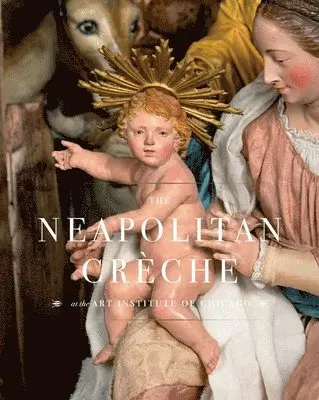
The 18th-century Neapolitan crèche at the Art Institute of Chicago, which contains over 200 figures arranged in a panorama of street life, represents the pinnacle of a rich artistic heritage. This luxurious catalogue is the first to study the crèche in the context of art and music history. Essays explore the Neapolitan crèche tradition and examine the design of Chicago’s example with reference to other important crèches in Europe and the United States. Entries on individual figures identify the characters and types they represent, as well as their social and historical meaning and religious significance. Other entries address groups of figures, animals, and cultural themes present in the crèche. Together the essays and entries highlight the astonishing realism and potent symbolism of these figures, which range from heavenly angels and the Holy Family around the manger to street vendors and revelers feasting, drinking, and dancing in a tavern.Distributed for the Art Institute of Chicago