Review of "Inner Sanctum Exposed" by Christopher R
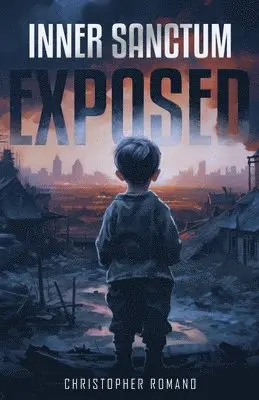
"Inner Sanctum Exposed" by Christopher Romano is a deeply introspective memoir that invites readers into the most private corners of the author's mind-a place he refers to as his "inner sanctum." Romano masterfully uses this metaphor to illustrate the secretive and often misunderstood mental spaces that individuals create when grappling with chronic illness and emotional turmoil.
The book is structured chronologically, with each chapter serving as a standalone snapshot of significant episodes in Romano's life. This approach intentionally leaves gaps between chapters, prompting readers to contemplate what transpired in the interims and how they might react in similar circumstances. This narrative technique effectively engages the reader, fostering a personal connection to the author's experiences.
Romano's writing transcends traditional memoir conventions by blending elements of poetry, self-motivation, comedy, drama, and non-fiction. This multifaceted style reflects the complex emotions and thoughts that accompany living with severe medical conditions. By sharing his struggles with diseases that are often physically apparent to others-such as Diabetes, Cancer, and MS-he sheds light on the equally significant emotional and psychological battles that are less visible but profoundly impactful.
One of the book's most compelling aspects is its exploration of how internal and external stressors influence our daily functioning and self-perception. Romano delves into the often-overlooked emotional components of chronic illness, emphasizing that medical intervention should address not only physical symptoms but also mental health. His candid reflections highlight the challenges of maintaining self-awareness and managing psychological and social aspects when faced with relentless adversity.
"Inner Sanctum Exposed" poses thought-provoking questions about agency, fate, and the influence of mental imbalance on decision-making. Romano invites readers to consider whether they would make necessary changes to move forward or allow fate to dictate their outcomes. This introspective journey encourages a deeper understanding of how we navigate our own inner sanctums.
While the book may elicit a range of reactions-some may find it uplifting, others may feel discomfort or even skepticism-it undeniably succeeds in sparking dialogue about the often-hidden emotional struggles associated with chronic illness. Romano's willingness to expose his inner world aims to resonate with those who have faced similar mental confrontations, offering solace and a sense of solidarity.