
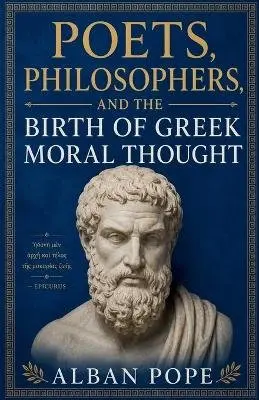
Poets, Philosophers, and the Birth of Greek Moral Thought
E-bok
Engelska, 202668 kr
Läs direkt i Bokus Reader – eller ladda ned till din enhet
Fler format och utgåvor
Beskrivning
The story of Greek moral thought begins long before philosophy had a name, before the first thinkers whom later ages would call philosophoi attempted to give rational accounts of virtue, justice, or the good life. It begins in a world shaped by song, ritual, and memory, a world in which the earliest moral insights were not argued but narrated, not demonstrated but performed. The Greeks themselves believed that their poets were the first teachers of humanity, and in many ways they were right. The earliest Greek reflections on what it means to live well, to act justly, or to honor the gods emerged from the verses of Homer and Hesiod, from the choral odes of Pindar, and from the tragic stage where Aeschylus, Sophocles, and Euripides dramatized the conflicts of conscience and community. These poets did not offer systematic ethical theories, yet their works contain the seeds of the questions that would later define Western moral philosophy.
Produktinformation
Utforska kategorier
Hoppa över listan
Mer från samma författare
Patronage, Censorship, and the Economics of Literary Production in Ancient Rome
Alban Pope
Häftad, 2026
258 kr
Hoppa över listan







Du kanske också är intresserad av
- -15% på allt
- -30%
Del 5
- -19%
Del 1
- -15% på allt
Del 3
- -15% på allt
- -15%
Del 7
- -15% på allt
Linnea & Viola: vår värld bakom kameran
Linnea Falk, Viola Falk, Ann-Beath Dahlberg Frisk
Inbunden, 2026
159 kr
- -15% på allt
Del 13
- -15% på allt
Del 2