- -15% på allt
169 kr
Läs direkt i Bokus Reader – eller ladda ned till din enhet
Finns även i Bokus Play Lyssna och läs utan att köpa bok för bok - välj din nästa titel direkt i appen. Från 79 kr/mån. Ingen bindningstid.
Prova gratis i 30 dagar →

Anders Bergström, Katarina Dunér, Victor Edman, Hanna Enefalk, Eva Eriksson, Peter Gillgren, K. G. Hammar, Rickard Isaksson, Bengt O.H. Johansson, Emelie Karlsmo, Göran Kåring, Marko Lamberg, Jakob Lindblad, Suzanne Lindhagen, Ingrid Sjöström, Jan Svanberg, Anders Arborelius, Gabriel Bar-Sawme, Pia Bengtsson Melin, Carin Bergström, Lars Djerf, Olof Djurfeldt, Åke Hedström, Christian Laine, Carsten Malmberg, Kristina Ljunggren, Thomas Roth, Ingrid Schwanborg, Thomas Magnusson
Inbunden, 2017
382 kr
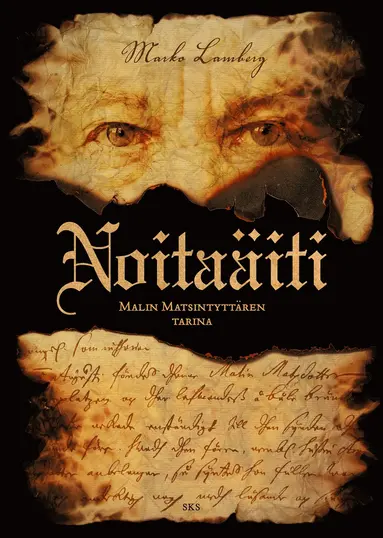

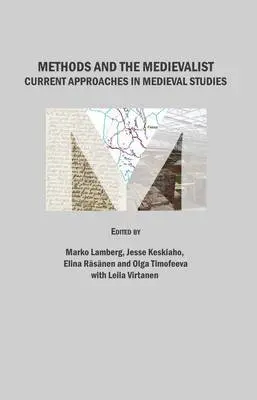
Kirsi Kanerva, Marko Lamberg, Anu Korhonen, Kaarina Koski, Kirsi Kanerva, Marko Lamberg, Anu Korhonen, Kaarina Koski
319 kr

Anna Götlind, Marko Lamberg, Heiko Droste, Lotta Fernstål, AnnaSara Hammar, Minja Hjort, Charlotte Hyltén-Cavallius, Bo Larsson, Marianne Larsson, Marie Lennersand, Sven Lilja, Ann Nehlin, Jonas M. Nordin, Pontus Rudberg, Magnus Öhlander
Häftad, 2017
176 kr

Mia Korpiola, Marko Lamberg, Anu Lahtinen, Elsa Trolle Önnerfors, Per Nilsén, Heikki Pihlajamäki, Jussi Sallila, Marianne Vasara-Aaltonen, Martin Sunnqvist, Kjell Å. Modéer
Inbunden, 2014
391 kr