The Ball at Sceaux
E-bok
Engelska, 202196 kr
Läs direkt i Bokus Reader – eller ladda ned till din enhet
Finns även i Bokus Play Lyssna och läs utan att köpa bok för bok - välj din nästa titel direkt i appen. Från 79 kr/mån. Ingen bindningstid.
Prova gratis i 30 dagar →Fler format och utgåvor
Beskrivning
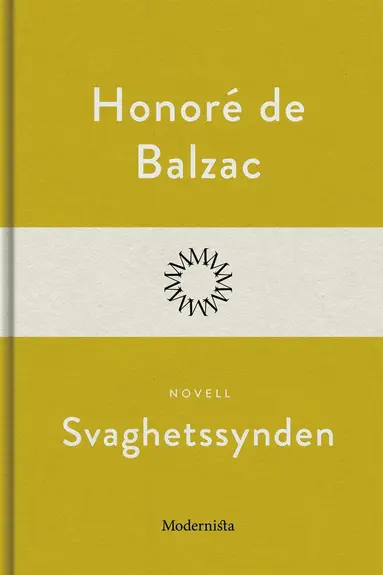
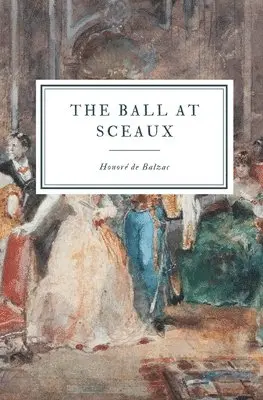
'The Ball at Sceaux' is one of the oldest books in Balzac's 'The Human Comedy' series. It tells the story of Émilie de Fontaine, a pretentious and spoiled young lady who refuses to love anyone who is not known in French high society. At the ball she falls in love with a handsome and mysterious young man, who is revealed to be the taciturn Maximilien Longueville. Émilie's family later discovers that Maximilien is concealing the fact that he is a shopkeeper at a Paris marketplace, which horrifies Émilie. But all is not what it seems, as Émilie is soon to find out after she abandons Maximilien for a rich man she does not love.
Inspired by Aleksandr Pushkin’s 'Eugene Onegin' and the fables of La Fontaine, in particular 'The Girl' and 'The Heron'. This Balzacian novella is a wonderful and enthralling read, where the mysterious and unknown tightly grips the reader well past the final page. It is one of the sheer joys of 'The Human Comedy' that we will meet these characters again in other stories.
Honoré de Balzac (1799-1850) was a French novelist and playwright, most famous for his collection of novels and plays, collectively called 'The Human Comedy'. His detailed observation of humanity and realistic depiction of society makes him one of the earliest representatives of realism in Europe. He was a master-creator of complex characters that often found themselves in ambiguous moral dilemmas.