
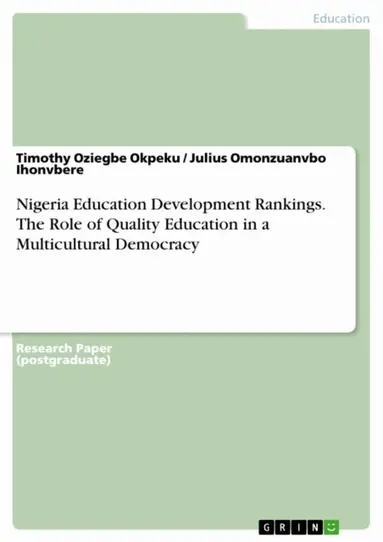
Nigeria Education Development Rankings. The Role of Quality Education in a Multicultural Democracy
Julius Omonzuanvbo Ihonvbere, Timothy Oziegbe Okpeku
E-bok
202314 kr
AvJulius Omonzuanvbo Ihonvbere,Okpeku Timothy
14 kr
Läs direkt i Bokus Reader – eller ladda ned till din enhet (PDF kräver ofta zoom och scroll på små skärmar).
Julius Omonzuanvbo Ihonvbere, Timothy Oziegbe Okpeku
14 kr
Julius Omonzuanvbo Ihonvbere, Timothy Oziegbe Okpeku
14 kr
Julius Omonzuanvbo Ihonvbere, Timothy Oziegbe Okpeku
14 kr
Julius Omonzuanvbo Ihonvbere, Timothy Okpeku
14 kr
Julius Omonzuanvbo Ihonvbere, Okpeku Timothy
14 kr
Julius Omonzuanvbo Ihonvbere, Timothy Oziegbe Okpeku
193 kr
Julius Omonzuanvbo Ihonvbere, Timothy Okpeku
15 kr
Julius Omonzuanvbo Ihonvbere, Okpeku Timothy
14 kr
Julius Omonzuanvbo Ihonvbere, Okpeku Timothy
164 kr
Julius Omonzuanvbo Ihonvbere, Okpeku Timothy
14 kr

Julius Omonzuanvbo Ihonvbere, Okpeku Timothy
14 kr
Julius Omonzuanvbo Ihonvbere, Okpeku Timothy
164 kr
Julius Omonzuanvbo Ihonvbere, Okpeku Timothy
14 kr
Julius Omonzuanvbo Ihonvbere, Okpeku Timothy
14 kr
Julius Omonzuanvbo Ihonvbere, Timothy Okpeku
15 kr
Okpeku Timothy
14 kr
Julius Omonzuanvbo Ihonvbere, Timothy Oziegbe Okpeku
193 kr
Julius Omonzuanvbo Ihonvbere, Timothy Oziegbe Okpeku
14 kr