

The Concept of Human Rights in Judaism, Christianity and Islam
Catharina Rachik, Georges Tamer
Häftad, 2022
379 kr
AvCatharina Rachik,Georges Tamer
Del i serien Key Concepts in Interreligious Discourses
1 251 kr
Kommande. Bevaka för att få ett mejl när produkten kan beställas.
Catharina Rachik, Georges Tamer
Häftad, 2022
379 kr
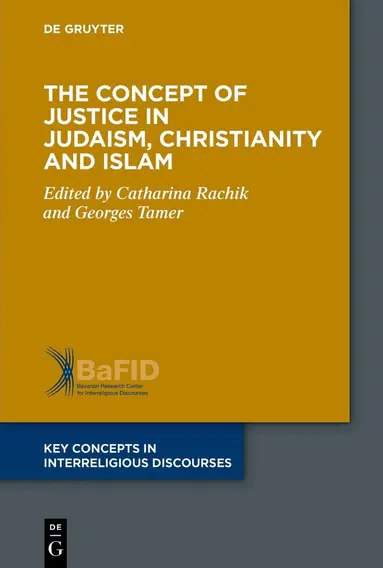
Catharina Rachik, Georges Tamer
Häftad, 2025
374 kr

Georges Tamer, Catharina Rachik
383 kr

Georges Tamer, Catharina Rachik
383 kr

Catharina Rachik, Georges Tamer
Häftad, 2025
369 kr

Georges Tamer, Catharina Rachik
384 kr

Georges Tamer, Catharina Rachik
393 kr

Catharina Rachik, Georges Tamer
Häftad, 2024
369 kr


Catharina Rachik, Georges Tamer
Häftad, 2022
379 kr

Georges Tamer, Ursula Männle
Häftad, 2019
393 kr
Catharina Rachik, Georges Tamer
Häftad, 2025
374 kr


Georges Tamer, Katja Thörner
Häftad, 2021
336 kr

Christoph Böttigheimer, Konstantin Kamp
Häftad, 2023
328 kr

Christoph Böttigheimer, Wenzel Maximilian Widenka
Häftad, 2023
336 kr

Christoph Böttigheimer, Wenzel Maximilian Widenka
319 kr

Christoph Böttigheimer, Konstantin Kamp
314 kr

Catharina Rachik, Georges Tamer
Häftad, 2022
379 kr

Catharina Rachik, Georges Tamer
Inbunden, 2026
1 352 kr
Catharina Rachik, Georges Tamer
Häftad, 2024
369 kr
Georges Tamer, Catharina Rachik
383 kr
Georges Tamer, Catharina Rachik
383 kr

Catharina Rachik, Georges Tamer
Häftad, 2025
369 kr
Georges Tamer, Catharina Rachik
384 kr