
100 Quotes by André Gide
Ljudbok
Engelska, 202271 kr
Lyssna direkt i Bokus Reader – eller ladda ned till din enhet
Finns även i Bokus Play Lyssna och läs utan att köpa bok för bok - välj din nästa titel direkt i appen. Från 79 kr/mån. Ingen bindningstid.
Prova gratis i 30 dagar →Beskrivning
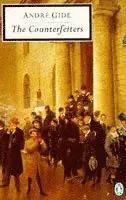
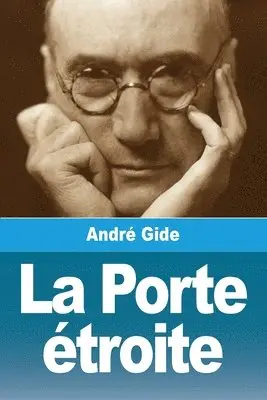
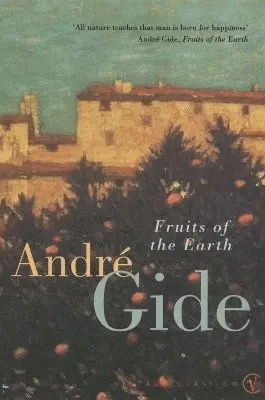
Frenchman André Paul Guillaume Gide (1869 – 1951), was an author and winner of the 1947 Nobel Prize in Literature. He published over fifty books, including 'Les Nourritures terrestres' (1897) ('Fruits of the Earth'), ‘Les Caves du Vatican’ (1914) ('Lafcadio’s Adventures'), ‘La Porte étroite’ (1909) ('Strait is the Gate'), 'La Symphonie pastorale' (1919), and the experimental ‘Les Faux Monnayeurs’ (1926). However, he is best known for ‘Corydon’ (1911), which he believed to be his most important work.
This collection contains 100 of André Gide’s most celebrated quotes.
André Paul Guillaume Gide (1869–1951) was a French author and winner of the 1947 Nobel Prize in Literature. Described as 'France's greatest contemporary man of letters,' Gide was known for his fiction and autobiographical works. He published over fifty books, including 'Les Nourritures terrestres' (1897) ('Fruits of the Earth'), ‘Les Caves du Vatican’ (1914) ('Lafcadio’s Adventures'), ‘La Porte étroite’ (1909) ('Strait is the Gate'), 'La Symphonie pastorale' (1919), and the experimental ‘Les Faux Monnayeurs’ (1926) ('The Counterfeiters'). However, the Frenchman claimed ‘Corydon’ (1911), was his most important work. In it, he used evidence from naturalists, historians, poets, and philosophers to back up his belief that homosexuality was not ‘unnatural’, arguing it was more natural than exclusive heterosexuality, which he believed to be a union created by society.
Produktinformation
Utforska kategorier



Hoppa över listan




Du kanske också är intresserad av
300 Quotations for Being Master of One's Destiny with the Existentialist Philosophers
Friedrich Nietzsche, Fyodor Dostoevsky, Søren Kierkegaard
Ljudbok
2022133 kr
500 Quotations from the Great Philosophers of the 16th Century
Michel de Montaigne, Francis Bacon, Miguel de Cervantès, Leonardo da Vinci, Nicolas Machiavel
Ljudbok
2023133 kr
300 Quotes from American Writers
Mark Twain, Henry David Thoreau, Ralph Waldo Emerson
Ljudbok
2022133 kr
600 Quotations from the Great 18th Century Writers
Adam Smith, Jean-Jacques Rousseau, Denis Diderot, Georg Christoph Lichtenberg, Beaumarchais, Montesquieu
Ljudbok
2022160 kr