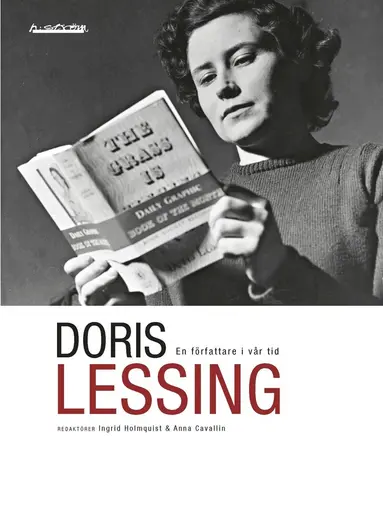
Doris Lessing : en författare i vår tid
Stefan Helgesson, Ulrika Milles, Anneli Dufva, Ulrika Knutson, Jenny Bonnevier, Maria Olaussen, Birgitta Holm
Häftad, 2016
231 kr
1 442 kr
Kommande. Bevaka för att få ett mejl när produkten kan beställas.
Stefan Helgesson, Ulrika Milles, Anneli Dufva, Ulrika Knutson, Jenny Bonnevier, Maria Olaussen, Birgitta Holm
Häftad, 2016
231 kr
Anette Almgren White, Lars Brink, Gunilla Byrman, Helene Ehriander, Lars Elleström, Peter Forsgren, Gunlög Fur, Stefan Helgesson, Bo Holmberg, Lena Kåreland, Stephan Larsen, Lisbeth Larsson, Inger Littberger Caisou-Rousseau, Per Erik Ljung, Leif Lorentzon, Stefan Lundström, Åsa Nilsson Skåve, Maria Olaussen, Christina Olin-Scheller, Vasilis Papageorgiou, Torsten Pettersson, Johan Sahlin, Michael Tengberg, Maria Ulfgard, Annette Årheim
Inbunden, 2013
272 kr
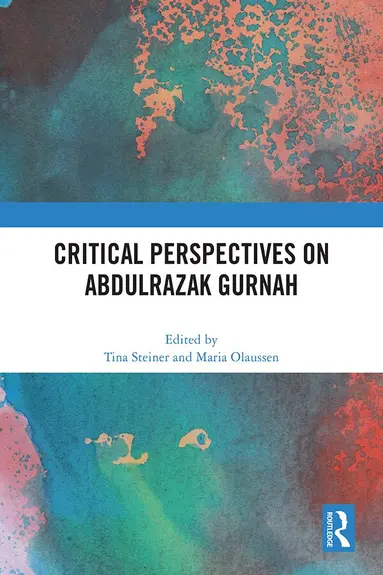

Stefan Helgesson, Ulrika Milles, Anneli Dufva, Ulrika Knutson, Jenny Bonnevier, Maria Olaussen, Birgitta Holm
Häftad, 2016
231 kr
Anette Almgren White, Lars Brink, Gunilla Byrman, Helene Ehriander, Lars Elleström, Peter Forsgren, Gunlög Fur, Stefan Helgesson, Bo Holmberg, Lena Kåreland, Stephan Larsen, Lisbeth Larsson, Inger Littberger Caisou-Rousseau, Per Erik Ljung, Leif Lorentzon, Stefan Lundström, Åsa Nilsson Skåve, Maria Olaussen, Christina Olin-Scheller, Vasilis Papageorgiou, Torsten Pettersson, Johan Sahlin, Michael Tengberg, Maria Ulfgard, Annette Årheim
Inbunden, 2013
272 kr
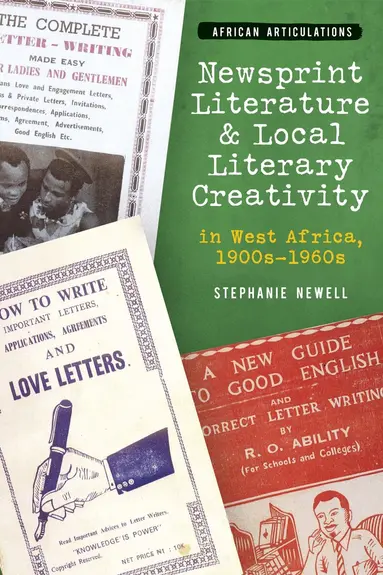
Stephanie Newell
Häftad, 2025
385 kr