
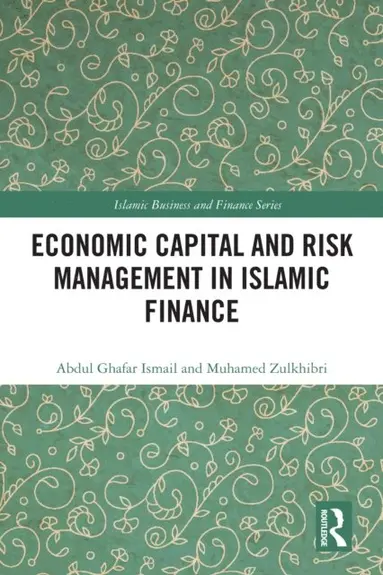
Economic Capital and Risk Management in Islamic Finance
Muhamed Zulkhibri, Abdul Ghafar Ismail
E-bok
2024856 kr
AvAbdul Ghafar Ismail,Muhammad Hasbi Zaenal
Del i serien Emerald Studies in Islamic Economy and Finance
1 316 kr
Kommande. Bevaka för att få ett mejl när produkten kan beställas.
Muhamed Zulkhibri, Abdul Ghafar Ismail
856 kr
Muhamed Zulkhibri, Abdul Ghafar Ismail
838 kr
Abdul Ghafar Ismail, Muhamed Zulkhibri
Inbunden, 2024
2 610 kr
Abdul Ghafar Ismail, Muhamed Zulkhibri
Häftad, 2025
733 kr
Muhamed Zulkhibri, Abdul Ghafar Ismail, Sutan Emir Hidayat
Inbunden, 2016
1 011 kr
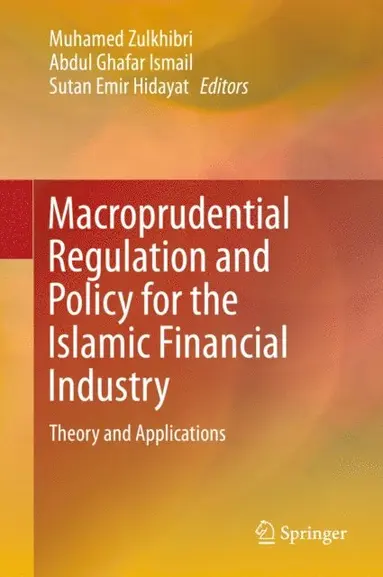
Sutan Emir Hidayat, Abdul Ghafar Ismail, Muhamed Zulkhibri
1 455 kr
Muhamed Zulkhibri, Abdul Ghafar Ismail
Inbunden, 2017
1 426 kr
Ahmet Faruk Aysan, Syed Nazim Ali, Abdurahman Jemal Yesuf, Muhammad Fazlurrahman Syarif
Inbunden, 2026
1 278 kr
Baker Ahmad Abdullah Alserhan, Baker Ahmad Abdullah Alserhan, Tornike Khoshtaria
Inbunden, 2026
1 171 kr

Muhammad Bilal Zafar, Hussain Mohi-ud-Din Qadri, Hassnian Ali
Inbunden, 2027
1 316 kr
Abdullahi Aweis Abu, Habib Ahmed
Inbunden, 2026
1 243 kr
Imam Uddin, Muhammad Zeeshan Farrukh
Inbunden, 2026
1 243 kr
Muhammad Ali, Muhammad Ali, Syed Ali Raza, Nor Shaipah Abdul Wahab, Chin-Hong Puah, Hanudin Amin, Abadullah
Inbunden, 2025
1 171 kr
Vusal Gasimli, Vusal Gasimli
Inbunden, 2025
1 171 kr



Christine Feak, John M. Swales
Häftad, 2027
287 kr

Niranjanamurthy M., Safdar Hussain Bouk, Biswadip Basu Mallik
Inbunden, 2027
2 533 kr


Deepti Pandita, Dalapathi Gugulothu, Neelam Poonia, Viney Lather
Inbunden, 2027
1 872 kr