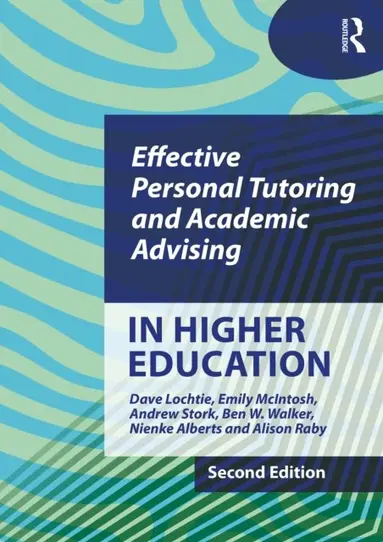
Effective Personal Tutoring and Academic Advising in Higher Education
Alison Raby, Nienke Alberts, Ben W. Walker, Andrew Stork, Emily McIntosh, Dave Lochtie
E-bok
2025455 kr
628 kr
Kommande. Bevaka för att få ett mejl när produkten kan beställas.
Alison Raby, Nienke Alberts, Ben W. Walker, Andrew Stork, Emily McIntosh, Dave Lochtie
455 kr
Alison Raby, Nienke Alberts, Ben W. Walker, Andrew Stork, Emily McIntosh, Dave Lochtie
451 kr
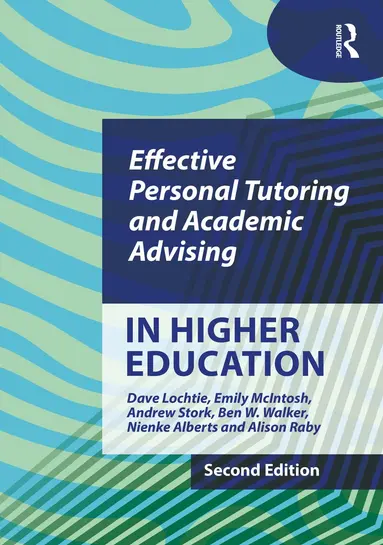
Dave Lochtie, Emily McIntosh, Andrew Stork, Ben W. Walker, Nienke Alberts, Alison Raby
Inbunden, 2025
2 475 kr
Dave Lochtie, Emily McIntosh, Andrew Stork, Ben W. Walker, Nienke Alberts, Alison Raby
Häftad, 2025
452 kr
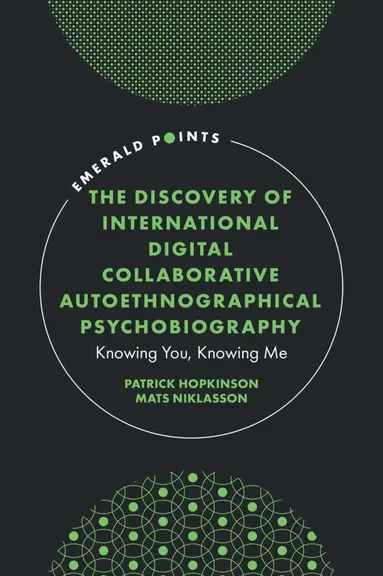
Patrick Hopkinson, Mats Niklasson
Inbunden, 2025
628 kr

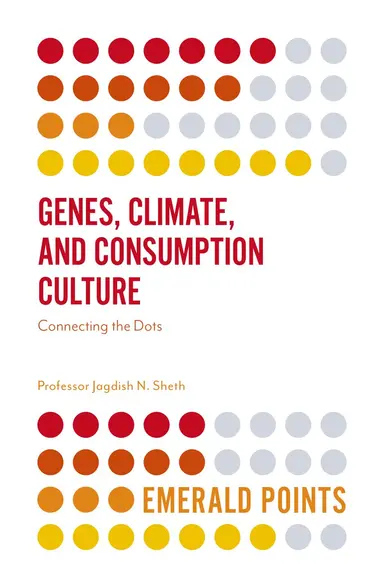

Alison Raby, Nienke Alberts, Ben W. Walker, Andrew Stork, Emily McIntosh, Dave Lochtie
451 kr
Alison Raby, Nienke Alberts, Ben W. Walker, Andrew Stork, Emily McIntosh, Dave Lochtie
455 kr
Dave Lochtie, Emily McIntosh, Andrew Stork, Ben W. Walker, Nienke Alberts, Alison Raby
Inbunden, 2025
2 475 kr
Dave Lochtie, Emily McIntosh, Andrew Stork, Ben W. Walker, Nienke Alberts, Alison Raby
Häftad, 2025
452 kr
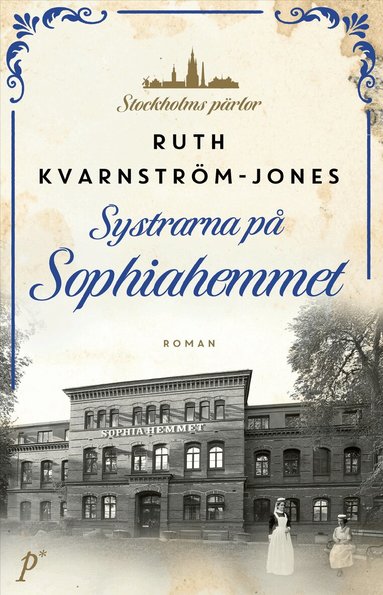


Linnea Falk, Viola Falk, Ann-Beath Dahlberg Frisk
Inbunden, 2026
159 kr