
Sacred Aromatics
Ritual and Healing in Non-Ordinary States
Häftad, Engelska, 2026
324 kr
Beställningsvara. Skickas inom 7-10 vardagar. Fri frakt över 249 kr.
Beskrivning
An insightful guide to the relationship between entheogenic and aromatic botanicals, and their role in shaping consciousness and supporting healingThis unique and exciting book presents a comprehensive guide to the use of powerful aromatic plants. With particular focus on their under-discussed role in sacred rituals and altered states of consciousness, Sacred Aromatics illuminates the olfactory dimension: how scent has historically functioned as a powerful catalyst for spiritual experience, emotional grounding, and therapeutic integration.Drawing from ethnobotany, anthropology, natural perfumery, and psycho-aromatherapy, the first section of the book presents theoretical and practical foundations. It explores the cultural history of aromatic use, distinctions between indigenous and Western traditions, and how scent may interact with perception, mood, and altered states. Also introduced are methods of preparation and application, ethical sourcing, and safety considerations, alongside practical frameworks for ritual and symbolic use. Special attention is given to therapeutic support and integration, demonstrating how aromatics can act as anchors, bridges, or subtle modulators in altered states and spiritual contexts.The second part of the book presents an A-Z materia medica of the plants commonly used in this practice, providing detailed information on botanical identity, ritual and historical use, aromatic and psychoactive properties, safety guidelines, and modern relevance.Designed for a diverse readership—psychedelic facilitators, herbalists, spiritual seekers, aromatherapists, and scholars—Sacred Aromatics is an essential and timely contribution to the evolving field of plant medicine, reviving ancient practices for contemporary healing and spiritual work.
Produktinformation
Utforska kategorier
Mer om författaren
Recensioner i media
Hoppa över listan




Du kanske också är intresserad av
- Signerad!
- Signerad!
- Signerad!
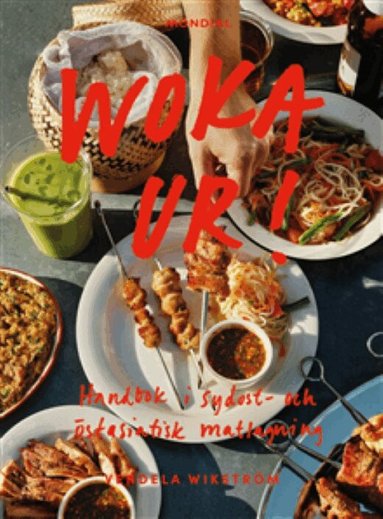
SIGNERAD - Woka ur! Handbok i sydost- och östasiatisk matlagning
Vendela Wikström
Kartonnage, 2026
259 kr
- Nyhet
- Nyhet
- Nyhet
- -52%
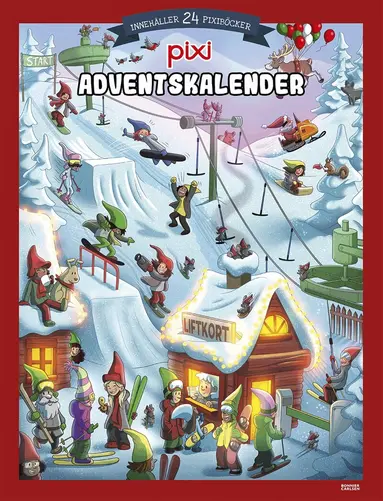
Pixi adventskalender 2025 : Med böcker av Maria Trolle, Maria Nilsson Thore, Johan Anderblad, Filippa Widlund, Mårten Melin Elsa Beskow, Lotta Olsson mfl
Flera Författare
Häftad, 2025
129 kr269 kr
- -48%