
Nanomaterials for Environmental Remediation
Virat Khanna, Chander Prakash, Rohit Jasrotia
Häftad, 2026
3 558 kr
2 195 kr
Kommande. Bevaka för att få ett mejl när produkten kan beställas.
Virat Khanna, Chander Prakash, Rohit Jasrotia
Häftad, 2026
3 558 kr
Rohit Jasrotia, Chander Prakash, Virat Khanna
3 399 kr
Rohit Jasrotia, Virat Khanna
Häftad, 2026
2 787 kr
Virat Khanna, Rohit Jasrotia
2 561 kr
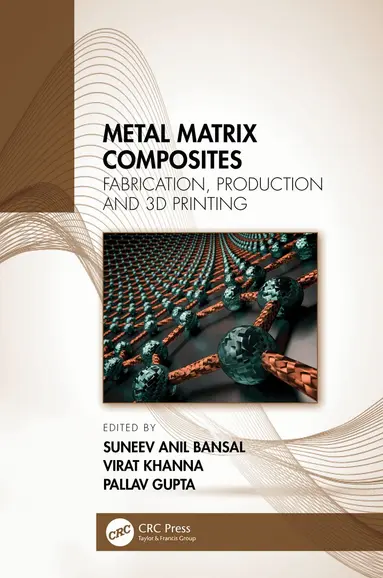
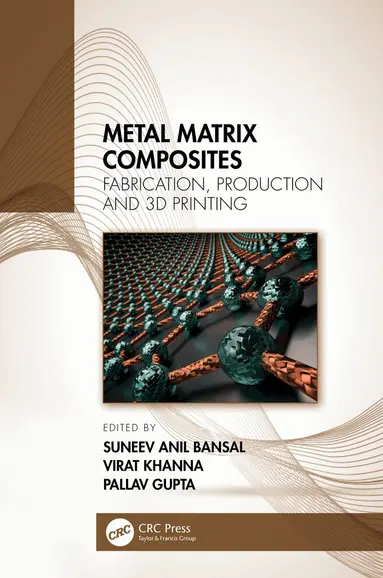

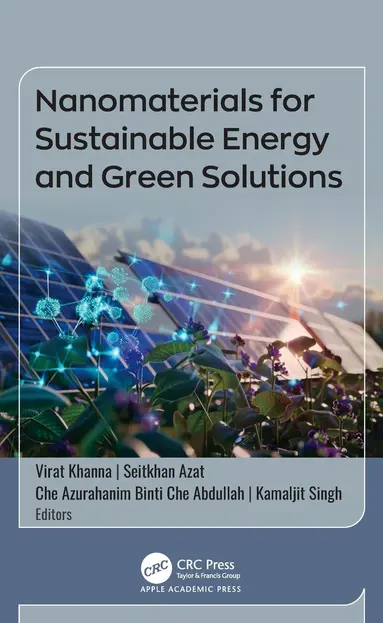
Virat Khanna, Seitkhan Azat, Che Azurahanim Binti Che Abdullah, Kamaljit Singh
Inbunden, 2026
2 195 kr
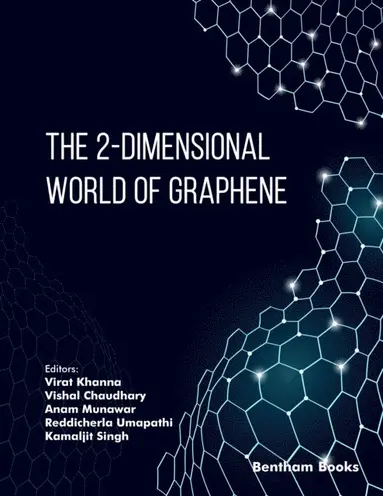
Kamaljit Singh, Reddicherla Umapathi, Anam Munawar, Vishal Chaudhary, Virat Khanna
688 kr
Assia Mabrouk, Ahmed Bachar, Seitkhan Azat
Inbunden, 2024
5 154 kr

Kamaljit Singh, Dr. Kamaljit Singh
Häftad, 2023
146 kr
Rohit Jasrotia, Virat Khanna
Häftad, 2026
2 787 kr
Virat Khanna, Prianka Sharma, Priyanka Mahajan
Inbunden, 2024
4 102 kr
Virat Khanna
Inbunden, 2025
1 547 kr