Special Education in Today's Diverse Classrooms
Meeting the Needs of Students With Exceptionalities
1 342 kr
Beställningsvara. Skickas inom 7-10 vardagar. Fri frakt över 249 kr.
Beskrivning
Produktinformation
- Utgivningsdatum:2025-09-24
- Mått:216 x 279 x 16 mm
- Vikt:1 058 g
- Format:Häftad
- Språk:Engelska
- Serie:PLURAL PUBLISHING
- Antal sidor:349
- Förlag:Plural Publishing Inc
- ISBN:9781635507508
Utforska kategorier
Mer om författaren
Shantel M. Farnan, EdD, is Associate Professor and Coordinator of Special Education programs at Northwest Missouri State University, Maryville, Missouri. She is beginning her 30th year in education, including experience in special education (preschool through postsecondary) as a teacher, special education director, and now professor. She has been the recipient of several awards connected to education, including the Dean's Award for Teaching, Award for Excellence for Community Leadership as CEC Student Group Advisor, Excellence in Agility and Innovation as Graduate Education Coordinator, and the Alumni Association Distinguished Faculty Award.Farnan has been active in state and national special education organizations, serving on the boards of the Missouri Council of Administrators of Special Education (MO-CASE), Missouri Council for Exceptional Children (MO-CEC), Teacher Education Division (TED), and Small Special Education Programs Caucus (SSEPC). Of particular honor to Farnan was being elected TED's first Special Interest Group and Caucus Liaison. She was honored to receive the Nasim Dil Service Award for Outstanding Service to Teacher Education in Small Special Education Programs in 2023.The courses Farnan teaches are in the areas of introduction to special education, methods of special education, leadership in special education, and special education practicum. Her research and scholarly interests are focused on collaboration, high-leverage practices, profession-based learning, collaborative scholarship, and diverse field experiences. She has enjoyed teaching on these important topics and publishing many manuscripts focused on them as well.In her free time, Farnan enjoys spending time with family and friends, traveling, reading, hiking, and being involved in community activities and organizations, including as a "Big" in the Big Sisters, Big Brothers organization with her husband Darren. She is proud to have her son, Brady, recently graduated from her alma mater and her daughter, Maggie, pursuing a degree in special education.Ruby L. Owiny, PhD, is Associate Professor at Minnesota State University, Mankato. She has nearly 30 years of experience in education, including elementary education (K-5), special education (K-12), educational consultant, and parent advocate. Prior to her current position, Owiny was Associate Professor and Director of the Division of Education at Trinity International University. She is the founder and CEO of Pamoja Special Education Advocacy, which partners with schools and families to ensure high-quality special education services are provided to eligible students. Owiny also serves as an educational consultant for 2Teach Global, a position in which she has presented professional development around the United States. Additionally, she presents internationally, supporting schools in Bolivia, Guatemala, and Tanzania. She has been the recipient of awards and nominations related to her teaching, scholarship, and service, including a nomination from students for the Dr. Duane Orr Teacher of the Year Award, the Regent's Prize for Excellence in Scholarship, and the Nasim Dil Service Award for Outstanding Service to Teacher Education in Small Special Education Programs.Owiny has been active in state, national, and international organizations serving students with disabilities. She served on the Universal Design for Learning in Higher Education (UDL-HE) steering committee for the inaugural UDL-HE Digicon in 2019. She has served in several roles in the Small Special Education Programs Caucus (SSEPC) of the Teacher Education Division (TED) of the Council for Exceptional Children (CEC), including chair of the caucus. Owiny also served on the TED board in a number of capacities with her most recent position being president of the organization in 2021. Owiny currently serves on the board for CEC as a member-at-large and as president of the board for Alakira Maasai Economic Support Initiative, which serves the Maasai in Tanzania to improve educational outcomes for children, supports economic empowerment, and works toward improved medical care, with an emphasis on prenatal and postpartum care for mothers and infants.Owiny teaches courses in the areas of introduction to special education, methods of teaching students with disabilities, and classroom and behavior management, and supervises student teachers during their special education placement. Her research and scholarly interests focus on inclusion, including high- leverage and evidence-based practices, Universal Design for Learning, co-teaching and collaboration, and embedding specially designed instruction in the inclusive general education classroom.In her free time, Owiny enjoys spending time with her family and her dog, Nova. She loves to travel, read, snowshoe, hike, bike, kayak, and camp. She also enjoys Hallmark movies and binge-watching Netflix movies and series. She especially enjoys being a basketball, winter guard, lacrosse, and band mom for her three children. Her title of chauffeur gives her lots of car time to hear her children and their friends laughing and talking about things important to them. Finally, Owiny and her husband enjoy being involved in their local faith community, hosting teens frequently and leading a community group of adults.
Innehållsförteckning
- ContentsIntroductionAcknowledgmentsAbout the EditorsContributorsReviewersChapter 1. Inclusive Education: Students With Exceptionalities, the Law, and the Individualized Education ProgramShantel M. FarnanLearning OutcomesChapter GlossaryQuestions to Prompt Your ThinkingIntroductionHistory of Special EducationKey People Shaping Special EducationEvolution of Special EducationWhat Is Special Education?Key Legislation and LitigationEducation for All Handicapped Children Act (Public Law 94-142)Individuals With Disabilities Education ActSection 504LitigationStudents With ExceptionalitiesSpecial Education ProcessIndividualized Education ProgramServices and Continuum of PlacementsInclusive Language and EducationChapter SummaryApplication to the ClassroomChapter 2. Foundations of InclusionRuby L. OwinyLearning OutcomesChapter GlossaryQuestions to Prompt Your ThinkingIntroductionIndividualized Education Plan What Are the Student's Unique Academic and Functional Needs That Must Be Addressed in the Individualized Education Program?What Annual Goals Must Be Included in the Individualized Education Program to Address the Student's Needs?How Will the Progress Toward the Individualized Education Program Goals Be Monitored?What Services Will Be Provided to the Student to Reach the Identified Goals?Providing a Free Appropriate Public EducationFrameworks to Promote Quality InclusionEvidence-Based Tiered FrameworksResponse to InterventionPositive Behavioral Interventions and SupportsMulti-Tiered Systems of SupportUniversal Design for LearningUniversally Designed CurriculumDifferentiation and Universal Design for LearningCulturally Inclusive Practices and PedagogyHigh-Leverage PracticesAddressing Individualized Education Program NeedsChapter SummaryApplication to the ClassroomChapter 3. Collaborating With School Professionals for Student SuccessShantel M. Farnan and Tamara G. LynnAlyce's StoryLearning OutcomesChapter GlossaryQuestions to Prompt Your ThinkingIntroductionHigh-Leverage Practice 1 DefinedHigh-Leverage Practice 1 in the School SystemCollaborative CultureCollaborative RolesRole PerceptionsTypes of Collaborative TeamsGeneral Education Teachers, Special Education Teachers, and ParaprofessionalsPurposes of Collaborative TeamsPerforming as an Effective CollaboratorThe Benefits of CollaborationApplication to AlyceConsultation and TeamsThe Consultation ProcessCo-teachingTeaching ApproachesA Deeper Understanding of Giftedness and Twice ExceptionalDefinition of Gifted and TalentedDefinition of Twice ExceptionalCausesCharacteristicsProcess for Identification of Giftedness and Twice ExceptionalChapter SummaryApplication to the ClassroomChapter 4. Fostering Effective Home-School Partnerships to Support Student LearningShantel M. Farnan and Sarah Jin WongOliver and His Family's JourneyLearning OutcomesChapter GlossaryQuestions to Prompt Your ThinkingIntroductionHigh-Leverage Practices 2 and 3 DefinedHigh-Leverage Practices 2 and 3 in PracticeFamily as a SystemImpact of DisabilityFostering Trust With FamiliesCommunicating With FamiliesFacilitating MeetingsAsset-Based ApproachApplication to OliverValuing Family and Building TrustRespectful and Meaningful CommunicationFacilitating Effective MeetingsChampioning Self-Determination and AdvocacyA Deeper Understanding of Intellectual DisabilityIndividuals With Disabilities Education Act DefinitionCausesCharacteristicsIntellectual FunctioningAdaptive BehaviorConceptualPracticalSocialCommunicationProcess for Identification of Intellectual DisabilityChapter SummaryApplication to the ClassroomChapter 5. Understanding Students' Strengths and Needs Through Multiple Sources and AssessmentShantel M. Farnan and Adam M. MooreHazel's StoryLearning OutcomesChapter GlossaryQuestions to Prompt Your ThinkingIntroductionHigh-Leverage Practice 4 DefinedHigh-Leverage Practice 4 in the ClassroomAssessment Provisions Under the Individuals With Disabilities Education ActChild FindEvaluation TimelineData Sources Used to Determine Student ProgressReview of Existing DataEligibility Within Special EducationRole of General Education TeacherRole of Special Education TeacherApplication to HazelA Deeper Understanding of Developmental DelaysIndividuals With Disabilities Education Act Definition of Developmental DelaysCausesCharacteristicsProcess for Identification of Developmental DelayChapter SummaryApplication to the ClassroomChapter 6. Involving Collaborators in AssessmentShantel M. FarnanScott's StoryLearning OutcomesChapter GlossaryQuestions to Prompt Your ThinkingIntroductionHigh-Leverage Practice 5 DefinedHigh-Leverage Practice 5 in the School SystemInvolvement of Partners in the Assessment ProcessPurposes of AssessmentInterpretation of Assessment ResultsAssessment Results for Present Level of Academic Achievement and Functional PerformanceImportance of Communication and CollaborationDevelopment of Culturally Inclusive Pedagogy and Practices and Transition PlansApplication to ScottA Deeper Understanding of Traumatic Brain InjuryIndividuals With Disabilities Education Act DefinitionCausesCharacteristicsProcess for Identification of Traumatic Brain InjuryChapter SummaryApplication to the ClassroomChapter 7. Data-Driven PlanningShantel M. Farnan and Adam M. MooreGrace's StoryLearning OutcomesChapter GlossaryQuestions to Prompt Your ThinkingIntroductionHigh-Leverage Practice 6 DefinedHigh-Leverage Practice 6 in the ClassroomSelecting Appropriate Interventions, Instruction, and Support Through Multi-Tiered System of Support DataOngoing Data Collection and AssessmentCurriculum-Based MeasuresProgress MonitoringData-Driven Planning and AdjustmentsFormative AssessmentsCollecting Behavioral and Functional DataUniversal Design for Learning, High-Leverage Practice 6, and Data CollectionApplication to GraceA Deeper Understanding of Multiple DisabilitiesIndividuals With Disabilities Education Act Definition of Multiple DisabilitiesCausesCharacteristicsProcess for Identification of Multiple DisabilitiesAlternate AssessmentsChapter SummaryApplication to the ClassroomChapter 8. Establishing Safe, Positive, and Culturally Sustaining Classroom EnvironmentsRuby L. Owiny and Jennifer D. WalkerSophia's StoryLearning OutcomesChapter GlossaryQuestions to Prompt Your ThinkingIntroductionHigh-Leverage Practices 7, 8/22, and 9 DefinedHigh-Leverage Practice 7 in the ClassroomHigh-Leverage Practice 8/22 in the ClassroomHigh-Leverage Practice 9 in the ClassroomTraumaApplication to SophiaExpectations, Routines, and Procedure DevelopmentBehavior-Specific PraiseCorrection ProceduresOpportunities to RespondClimate of RespectSocial Skills InstructionA Deeper Understanding of Other Health ImpairmentIndividuals With Disabilities Education Act DefinitionCharacteristicsEarly Signs and SymptomsAttention Deficit Hyperactivity DisorderEpilepsyAsthmaCausesAttention Deficit Hyperactivity DisorderEpilepsyAsthmaProcess for Identification of Other Health ImpairmentAttention Deficit Hyperactivity DisorderEpilepsyAsthmaChapter SummaryApplication to the ClassroomChapter 9. Conducting Functional Behavior Assessments to Increase Positive BehaviorsRuby L. Owiny and Kathleen A. Boothe Eligrace's StoryLearning OutcomesChapter GlossaryQuestions to Prompt Your ThinkingIntroductionHigh-Leverage Practice 10 DefinedHigh-Leverage Practice 10 in the ClassroomRole of the General EducatorRole of the Special EducatorApplication to Eligrace: Conducting a Functional Behavioral AssessmentDefine the Target BehaviorCollect DataIndirect Data Collection MethodsDirect Data Collection MethodsDevelop a Hypothesis StatementWriting a Behavior Support PlanIdentify an Appropriate Replacement or Desired BehaviorIdentify Appropriate InterventionsCreate Observable and Measurable GoalsTeach the Plan to the StudentA Deeper Understanding of Emotional DisturbanceIndividuals With Disabilities Education Act DefinitionCausesCharacteristicsBehavioralAcademicProcess for Identification of Emotional DisturbancePositive Behavior Intervention and SupportsChapter SummaryApplication to the ClassroomChapter 10. Designing Instruction Toward Specific Learning GoalsRuby L. Owiny and Jody R. SikerStarry and Maisie's StoryLearning OutcomesChapter GlossaryQuestions to Prompt Your ThinkingIntroductionHigh-Leverage Practices 11 and 12 DefinedHigh-Leverage Practices 11 and 12 in the ClassroomDisability Identity and InclusionPerception of CompetenceWelcome Into the School CommunityAccess to Grade-Level CurriculumAppropriate Accommodations and ServicesSpecifically Designed InstructionDesigning Instruction Around GoalsAssessing InstructionExecutive Functioning InstructionCulturally Inclusive Practices and PedagogyA Deeper Understanding of Deafness and Hearing ImpairmentIndividuals With Disabilities Education Act DefinitionCausesCharacteristicsEarly Signs and SymptomsInfants and ToddlersPreschool Through School AgeProcess for Identification of Deafness and Hearing ImpairmentTransitionRequired ComponentsChapter SummaryApplication to the ClassroomChapter 11. Adaptations and Using Technology to Meet Student Needs Growing Up With BlindnessShantel M. Farnan and Mindy S. ElyEthan's StoryLearning OutcomesChapter GlossaryQuestions to Prompt Your ThinkingIntroductionHigh-Leverage Practices 13 and 19 DefinedHigh-Leverage Practices 13 and 19 in the ClassroomAdaptations for the Classroom: Instruction, Materials, and EnvironmentUsing Clear and Concise Vocabulary in InstructionMaking Images AccessibleMaking Materials AccessibleAssistive and Instructional TechnologyLighting and ContrastSpecialized Instructional Needs in Reading MediaReading Using Print MediaReading Using Braille MediaReading Using Auditory MediaThe Role of Access TechnologyApplication to Ethan and ElissaBenefits to All StudentsA Deeper Understanding of Visual Impairment, Including Blindness and Deaf/BlindnessIndividuals With Disabilities Education Act DefinitionCausesCharacteristicsProcess for Identification of Visual Impairment and BlindnessIndividuals With Disabilities Education Act Definition of Deaf-BlindnessChapter SummaryApplication to the ClassroomChapter 12. Implementing Strategies to Support LearningRuby L. Owiny and Shantel M. FarnanQuinten's StoryLearning OutcomesChapter GlossaryQuestions to Prompt Your ThinkingIntroductionHigh-Leverage Practice 14 DefinedHigh-Leverage Practice 14 in the ClassroomApplication to QuintenSelf-Regulated Strategy DevelopmentComprehension StrategiesVocabularyKeyword StrategyGraphic OrganizersContent Enhancement RoutinesMemory StrategiesMnemonicsCue CardsTask AnalysisA Deeper Understanding of Specific Learning DisabilitiesIndividuals With Disabilities Education Act Definition for Specific Learning DisabilitiesCausesCharacteristicsReadingMathematicsWritten ExpressionProcess for Identification of Specific Learning DisabilitiesDiscrepancy ModelResponse to Intervention for Identification of Specific Learning DisabilitiesChapter SummaryApplication to the ClassroomChapter 13. Scaffolding Toward Independence, Maintenance, and GeneralizationShantel M. FarnanBen's StoryLearning OutcomesChapter GlossaryQuestions to Prompt Your ThinkingIntroductionHigh-Leverage Practices 21 and 15 DefinedHigh-Leverage Practices 15 and 21 in the ClassroomScaffolded SupportsGeneralizationMaintenanceApplication to BenA Deeper Understanding of AutismIndividuals With Disabilities Education Act Definition for AutismCausesCharacteristicsProcess for Identification of AutismChapter SummaryApplication to the ClassroomChapter 14. Making Instructional Decisions for Student SuccessRuby L. OwinyKylee's StoryLearning OutcomesChapter GlossaryQuestions to Prompt Your ThinkingIntroductionHigh-Leverage Practice 16 DefinedHigh-Leverage Practice 17 DefinedHigh-Leverage Practice 20 DefinedHigh-Leverage Practices 16, 17, and 20 in the ClassroomApplication to KyleeCollaboration Between General Education and Special Education StaffUniversal Design for Learning and DifferentiationOther High-Leverage Practices at WorkAccommodationsA Deeper Understanding of Speech or Language ImpairmentIndividuals With Disabilities Education Act DefinitionCausesCharacteristicsEarly Signs and SymptomsEducational ImpactProcess for Identification of Speech-Language ImpairmentChapter SummaryApplication to the ClassroomChapter 15. Engaging Students in Active LearningRuby L. OwinyWillow's StoryLearning OutcomesChapter GlossaryQuestions to Prompt Your ThinkingIntroductionHigh-Leverage Practice 18 DefinedHigh-Leverage Practice 18 in the ClassroomOpportunities to Respond to Increase EngagementTurn-and-TalkThink-Pair-ShareGuided NotesResponse CardsChoral RespondingApplication to WillowA Deeper Understanding of Orthopedic ImpairmentIndividuals With Disabilities Education Act DefinitionCharacteristicsCerebral PalsySpina BifidaMuscular DystrophyCausesCerebral PalsySpina BifidaMuscular Dystrophy Process for Identification of Orthopedic ImpairmentChapter SummaryApplication to the ClassroomGlossaryReferencesIndex
Mer från samma serie
Hyperacusis and Disorders of Sound Intolerance
Marc Fagelson, David M. Baguley, Marc Fagelson, David A. Baguley
Häftad, 2018
1 770 kr
Cleft Palate Speech Intervention Across the Lifespan
Linda Vallino-Napoli, Dennis M. Ruscello
Häftad, 2025
1 453 kr
Communication Development and Disorders for Partners in Service
Cheryl D. Gunter, Mareile A. Koenig
Häftad, 2010
1 585 kr
Du kanske också är intresserad av
- -15% på allt
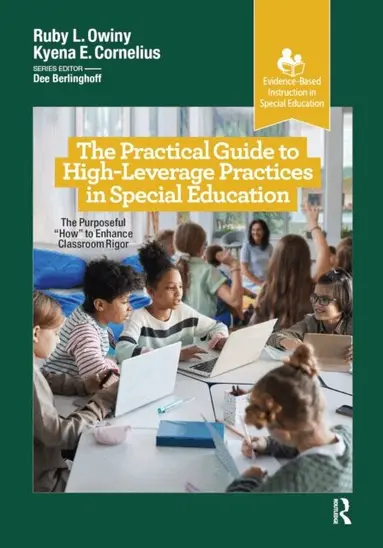
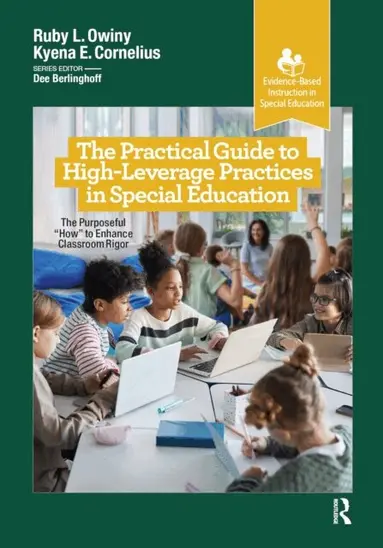
The Practical Guide to High-Leverage Practices in Special Education
Ruby L. Owiny, Kyena Cornelius
Häftad, 2023
567 kr
Practical Guide to High-Leverage Practices in Special Education
Kyena Cornelius, Ruby L. Owiny
657 kr
Practical Guide to High-Leverage Practices in Special Education
Kyena Cornelius, Ruby L. Owiny
657 kr
- -15% på allt
Mordgåta - Den sista fjällvandringen
Hidden Reality
269 kr
- -52%
Pixi adventskalender 2025 : Med böcker av Maria Trolle, Maria Nilsson Thore, Johan Anderblad, Filippa Widlund, Mårten Melin Elsa Beskow, Lotta Olsson mfl
Flera Författare
Häftad, 2025
129 kr269 kr
- -48%
Pixi adventskalender - Filippa Widlund
Bonnier Carlsen
Häftad, 2023
129 kr249 kr
- -15% på allt
- -19%
- Signerad!
SIGNERAD - Mackans kost : Middagar och matlådor
Marcus Frank
Inbunden, 2026
269 kr