
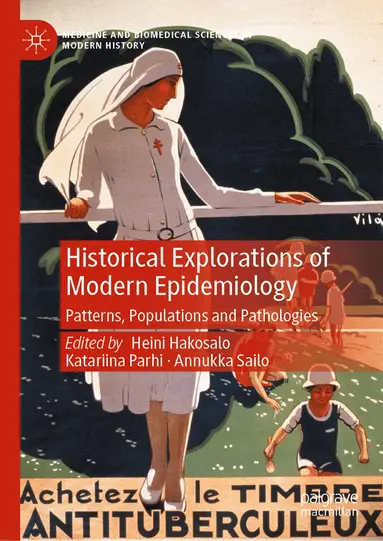
Historical Explorations of Modern Epidemiology
Heini Hakosalo, Katariina Parhi, Annukka Sailo
Inbunden, 2023
1 138 kr
AvKatariina Parhi,Johanna Annola
Del 69 i serien Social Histories of Medicine
372 kr
Kommande. Bevaka för att få ett mejl när produkten kan beställas.
Heini Hakosalo, Katariina Parhi, Annukka Sailo
Inbunden, 2023
1 138 kr
Annukka Sailo, Katariina Parhi, Heini Hakosalo
1 500 kr
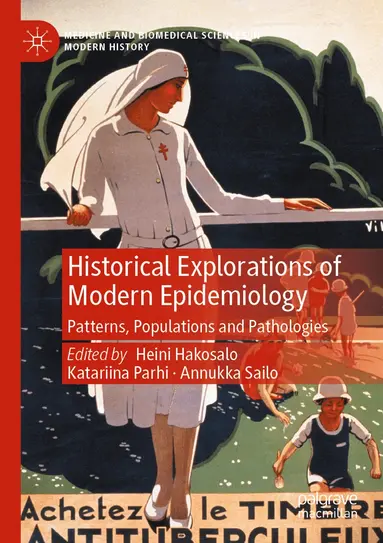
Heini Hakosalo, Katariina Parhi, Annukka Sailo
Häftad, 2024
1 138 kr





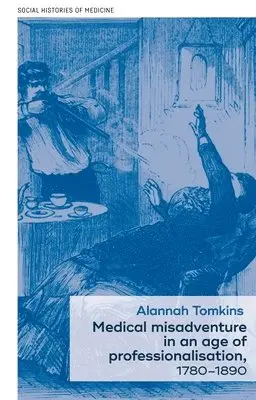
Alannah Tomkins
Inbunden, 2017
1 255 kr


Johanna Annola, Hanna Lindberg, Pirjo Markkola
Inbunden, 2023
570 kr
Heini Hakosalo, Katariina Parhi, Annukka Sailo
Häftad, 2024
1 138 kr
Heini Hakosalo, Katariina Parhi, Annukka Sailo
Inbunden, 2023
1 138 kr
Annukka Sailo, Katariina Parhi, Heini Hakosalo
1 500 kr