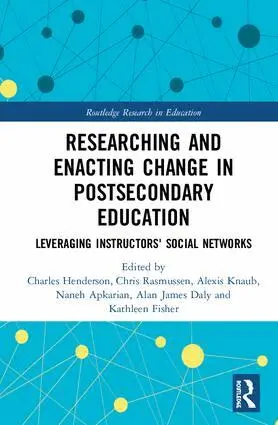
Researching and Enacting Change in Postsecondary Education
Charles Henderson, Chris Rasmussen, Alexis Knaub, Naneh Apkarian, Alan James Daly, Kathleen Fisher
Häftad, 2020
633 kr
666 kr
Kommande. Bevaka för att få ett mejl när produkten kan beställas.
Charles Henderson, Chris Rasmussen, Alexis Knaub, Naneh Apkarian, Alan James Daly, Kathleen Fisher
Häftad, 2020
633 kr
Kathleen Fisher, Alan James Daly, Naneh Apkarian, Alexis Knaub, Chris Rasmussen, Charles Henderson
725 kr
Kathleen Fisher, Alan James Daly, Naneh Apkarian, Alexis Knaub, Chris Rasmussen, Charles Henderson
741 kr
Charles Henderson, Chris Rasmussen, Alexis Knaub, Naneh Apkarian, Alan James Daly, Kathleen Fisher
Inbunden, 2018
2 455 kr

Rolf Biehler, Michael Liebendörfer, Ghislaine Gueudet, Chris Rasmussen, Carl Winsløw
Inbunden, 2023
2 182 kr

Carl Winslow, Chris Rasmussen, Ghislaine Gueudet, Michael Liebendorfer, Rolf Biehler
2 925 kr

Rolf Biehler, Michael Liebendörfer, Ghislaine Gueudet, Chris Rasmussen, Carl Winsløw
Häftad, 2024
2 182 kr

Irene Biza, Victor Giraldo, Reinhard Hochmuth, Azimehsadat Khakbaz, Chris Rasmussen
Häftad, 2016
107 kr



Irene Biza, Victor Giraldo, Reinhard Hochmuth, Azimehsadat Khakbaz, Chris Rasmussen
Häftad, 2016
107 kr
Charles Henderson, Chris Rasmussen, Alexis Knaub, Naneh Apkarian, Alan James Daly, Kathleen Fisher
Inbunden, 2018
2 455 kr
Charles Henderson, Chris Rasmussen, Alexis Knaub, Naneh Apkarian, Alan James Daly, Kathleen Fisher
Häftad, 2020
633 kr
Carl Winslow, Chris Rasmussen, Ghislaine Gueudet, Michael Liebendorfer, Rolf Biehler
2 925 kr
Kathleen Fisher, Alan James Daly, Naneh Apkarian, Alexis Knaub, Chris Rasmussen, Charles Henderson
741 kr

Rolf Biehler, Michael Liebendörfer, Ghislaine Gueudet, Chris Rasmussen, Carl Winsløw
Inbunden, 2023
2 182 kr