Teaching Science in Elementary and Middle School
A Cognitive and Cultural Approach
AvCory A. Buxton,Eugene F. Provenzo
2 968 kr
Beställningsvara. Skickas inom 3-6 vardagar. Fri frakt över 249 kr.
Beskrivning
Produktinformation
- Utgivningsdatum:2010-08-31
- Mått:203 x 254 x 22 mm
- Vikt:790 g
- Format:Häftad
- Språk:Engelska
- Antal sidor:416
- Upplaga:2
- Förlag:SAGE Publications Inc
- ISBN:9781412979917
Utforska kategorier
Mer om författaren
Gene Provenzo is one of the nation’s leading scholars in the foundations of education. He holds the rank of full professor at the University of Miami. He has won numerous awards throughout his career in both teaching and research and sits on many editorial boards. He has authored over ten books and has contributed chapters to many more. He has authored scores of articles in a wide range of areas in education. His recent projects include Teaching, Learning, and Schooling (Allyn & Bacon, 2002), a critically-oriented introduction to the foundations of education textbook, and the forthcoming Readings in Educational Thought (SAGE, 2005).
Recensioner i media
Great combination of theory, practice, and historical context.
Innehållsförteckning
- PrefacePart I. Creating the Context for Science Education1. The Nature of ScienceWhat Is Science?Theory Into Practice 1.1: Nature of Science CardsWhat Science Is NotHow Science Is DoneTheory Into Practice 1.2: Hidden ShapesPatterns That ConnectQualities of Scientific InquiryCombining the Qualities of Scientific Inquiry to Address Scientific QuestionsTheory Into Practice 1.3: The Hypothesis BoxParadigms and Paradigm Shifts in the Nature of ScienceSummaryStudent Study SiteReflections on ScienceLearning Science On-Line: Researching Scientist BiographiesInternet Connections: Nature of Science ResourcesReferences2. Science Education in Social ContextThe Historical Role of Science Education in Our SocietyTheory Into Practice 2.1: What Would Life Be Like Without Certain Inventions?Science Education Within Broader Educational ReformsTheory Into Practice 2.2: Education Reform and YouThe Contemporary Role of Science Education in Our Society and the Current Wave of Science Education ReformTheory Into Practice 2.3: D efinitions of Scientific LiteracyBroader Education Reforms and Science EducationLearning to Speak the Language of ScienceTheory Into Practice 2.4: Metaphors in ScienceEthics in Science and the Concept of Human ProgressTheory Into Practice 2.5: Ethics and the Humane Treatment of Experimental AnimalsSummaryStudent Study SiteReflections on ScienceLearning Science On-Line: Creating a Virtual Smithsonian Science MuseumInternet Connections: Science Museums on the InternetReferences3. Toward a Philosophy of Hands-On Inquiry-Based Science EducationPiagetian Constructivism and Learning Through RediscoveryLearning Through PlayTheory Into Practice 3.1: Helping Students Make Meaning of ExperienceDesigning Experiments and Learning Through Project-Based ScienceTheory Into Practice 3.2: Learning by DesignSociocultural Theory and Learning Through Legitimate Peripheral ParticipationTheory Into Practice 3.3: Learning Theories Textbook ReviewOn-Line Resources and the Changing Science ClassroomSummaryStudent Study SiteReflections on ScienceLearning Science On-Line: Studying Natural DisastersInternet Connections: Design-Based LearningReferences4. Diverse Learners in the Science ClassroomHistory of Diverse Learners in the Science ClassroomTheory Into Practice 4.1: Draw a ScientistCurrent Science Education Reforms and Their Impact on Diverse LearnersTheory Into Practice 4.2: Mapping the Increasing Diversity in American ClassroomsStrategies for Working With Diverse Learners in the Science ClassroomTheory Into Practice 4.3: Two-Column Girls and Scientists ActivityTheory Into Practice 4.4: Modifying Lab ActivitiesTheory Into Practice 4.5: Sheltered Second- Language ActivityTheory Into Practice 4.6: Debating the “Fairness” of Gifted EducationSummaryStudent Study SiteReflections on ScienceLearning Science On-Line: Auditory and Visual Learning in Science EducationInternet Connections: Science for Diverse LearnersReferences5. Observing as a Scientist and as a Science TeacherScientific ObservationTheory Into Practice 5.1: Observation Experiment: Watching a Traffic PatternObservation in the ClassroomFrom Observation to Assessment of Science LearningFrom Observation to Managing the Classroom to Enhance Science LearningCreating a Safe Science Learning EnvironmentField Experiences, Peer Teaching, and Other Opportunities to Practice the Craft of Science TeachingObservational FormsTheory Into Practice 5.2: Science Lesson Observation FormTheory Into Practice 5.3: Observing in a Science Museum or Other Non-School SettingTheory Into Practice 5.4: Interviewing a Teacher After Observing a Science LessonBeyond Observation: Other Science Inquiry ProcessesCreating a Science Educator’s PortfolioTheory Into Practice 5.5: Looking at Electronic PortfoliosSummaryStudent Study SiteReflections on ScienceLearning Science On-Line: Combining Content with Field ExperiencesInternet Connections: Scientific ObservationPart II. Teaching and Learning the Science Disciplines6. Understanding and Teaching Earth and Space SciencesEarth Scientists Then and Now: Mary Anning and Charles KeelingThe Place of Earth and Space Science in Science EducationMeasuring and Estimating in Earth and Space ScienceExperiment 1: Estimating the Number of Books in Your School LibraryExperiment 2: OrienteeringExperiment 3: Geologic Time on a Football FieldThe Cosmos: The Sun, Planets, Solar System, Stars, and BeyondExperiment 4: Solar System ModelExperiment 5: Expanding Universe ModelExperiment 6: Hot Enough to Fry an EggAstronomy: Observing the Heavens From Earth in the Past and PresentExperiment 7: Modeling Phases of the MoonExperiment 8: The Changing SeasonsExperiment 9: Changing Lengths of ShadowsRestless Earth: Earth’s Composition, Layers, Movements, and Impacts in Surface FeaturesExperiment 10: Convection CurrentsExperiment 11: Mountain Building With TowelsExperiment 12: Earthquake-Resistant StructuresRocks and Minerals: Formation, Identification, and Human Use of Common Rocks and MineralsExperiment 13: Crystals in Your KitchenExperiment 14: Identifying MineralsExperiment 15: Determining Soil TypeEarth Cycles: Many Processes on Earth Operate in CyclesExperiment 16: Building an Aquifer ModelExperiment 17: Edible Rock CycleExperiment 18: Cloud in a BottleWeather and Climate: Weather Patterns, Climate Zones, and Climatic Change Over TimeExperiment 19: Tracking RainfallExperiment 20: Making an AnemometerExperiment 21: Rainforest TerrariumAtmosphere: Atmospheric Movement, Layers, Pressure and Cloud Formation, Smog and PollutionExperiment 22: Why Are Clouds White?Experiment 23: Why Is the Sky Blue?Experiment 24: Smog in a JarWater and Oceans: Fresh Water/Salt Water Distribution, Interactions, and ContaminationExperiment 25: How Salty Is Too Salty?Experiment 26: Mapping the Ocean FloorExperiment 27: Oil Spill Clean-UpStudent Study SiteReflections on ScienceInternet Connections: Earth and Space Science7. Understanding and Teaching BiologyBiologists Then and Now: Ernst Haeckel and Steven Jay GouldThe Place of Biology in Science EducationMeasurement in BiologyExperiment 28: Measuring Peak Flow RateExperiment 29: Estimating Lengths of Very Small ObjectsExperiment 30: Measuring Population ChangeClassificationExperiment 31: Observation in the BagExperiment 32: Developing a System of ClassificationExperiment 33: Classifying Different AnimalsPlantsExperiment 34: Seed GerminationExperiment 35: Making a Plant Cell ModelExperiment 36: The Effect of Acid Rain on Plant GrowthAnimalsExperiment 37: Owl Pellet DissectionExperiment 38: Making an Animal Cell ModelExperiment 39: Conducting a Bird CensusNeither Plant nor Animal: Protista, Monera, Viruses, Bacteria, FungiExperiment 40: Exploring Pond WaterExperiment 41: The Power of YeastExperiment 42: Making YogurtLadder of Life: The Building Blocks of OrganismsExperiment 43: Cell PackingExperiment 44: Photosynthesis and TranspirationExperiment 45: Minimal Surfaces in Natural and Biological FormsCode of Life: All Life Is Based on the Same Genetic CodeExperiment 46: Making a Model of the DNA Double HelixExperiment 47: Black Marker “Fingerprints”Experiment 48: Hearing Loss SimulationEvolution: Natural Selection and Evidence for Species EvolutionExperiment 49: Bird Beak ModelsExperiment 50: Experimenting With Stereoscopic VisionExperiment 51: Design-an-OrganismBiomes and Ecosystems: Interactions Between Plants, Animals, and the Non-Living WorldExperiment 52: Tracing Food WebsExperiment 53: Greenhouse Effect ModelExperiment 54: Unintended ConsequencesThe Human Body and Human HealthExperiment 55: You Are What You EatExperiment 56: Modeling the Human ArmExperiment 57: Spreading Infectious DiseaseStudent Study SiteReflections on ScienceInternet Connections: BiologyReferences8. Understanding and Teaching ChemistryChemists Then and Now: Marie Curie and Frank Sherwood RowlandThe Place of Chemistry in Science EducationMeasurement in ChemistryExperiment 58: Estimating VolumeExperiment 59: Making a ThermometerExperiment 60: Serial Dilution of Colored LiquidAtoms, Elements, and MoleculesExperiment 61: Marshmallow Molecule ModelsExperiment 62: Evaporating MoleculesExperiment 63: Elements You EatMatterExperiment 64: Hot Air RisesExperiment 65: Densities of LiquidsExperiment 66: Making Salt CrystalsExperiment 67: Floating a Needle on WaterExperiment 68: Separating MixturesExperiment 69: Comparing SoapsTemperatureExperiment 70: Evaporation of Alcohol and WaterExperiment 71: Hot and Cold Water MixturesExperiment 72: Making Ice CreamPressureExperiment 73: Burning CandlesExperiment 74: Creating a Simple VacuumExperiment 75: Cartesian DiverFuelsExperiment 76: Building a Voltaic PileExperiment 77: Making a Solar Water HeaterExperiment 78: Peanut PowerStudent Study SiteReflections on ScienceInternet Connections: ChemistryReferences9. Understanding and Teaching PhysicsPhysicists Then and Now: Michael Faraday and Stephen W. HawkingThe Place of Physics in Science EducationMeasurement in PhysicsExperiment 79: Using Standard and Nonstandard Units of LengthExperiment 80: Determining Relative and Absolute Weights Using a Pan BalanceExperiment 81: Using a Stopwatch to Measure TimeForce: Gravity, Velocity, Acceleration, Newton’s LawsExperiment 82: Flipping a Card off Your Finger While Leaving a Quarter in PlaceExperiment 83: Swinging a Bucket of Water in a Circle Without Getting WetExperiment 84: Demonstrating “Lift” with a Ping-Pong Ball and StrawForms of EnergyExperiment 85: Bouncing SuperballsExperiment 86: Modeling Nuclear Half-LifeExperiment 87: Creating an Electroscope to Detect Static ElectricitySimple MachinesExperiment 88: Experimenting With PulleysExperiment 89: Experimenting With RampsExperiment 90: Experimenting With LeversSoundExperiment 91: Demonstrating the Conduction of SoundExperiment 92: Experimenting With Harmonic SoundExperiment 93: Experimenting With ResonanceLight and ColorExperiment 94: Making a ThaumatropeExperiment 95: Color BlendingExperiment 96: Bending LightElectricity and MagnetismExperiment 97: Observing Magnetic FieldsExperiment 98: Making a Simple CircuitExperiment 99: Making an ElectromagnetStudent Study SiteReflections on ScienceExperiment 100: Design Your Own ExperimentInternet Connections: PhysicsReferencesPart III. Making the Transition From Preservice Teacher to Inservice Teacher10. Teacher Professional Development: Growing as a Teacher of ScienceHistory of Teacher Professional DevelopmentThe Current State of Teacher Professional DevelopmentTheory Into Practice 10.1: Recertification Requirements Across StatesAction Research: From Research “On” to Research “With”Lesson StudyTheory Into Practice 10.2: The TIMMS Video ProjectParental Involvement and Parental EngagementTheory Into Practice 10.3: Parent InterviewProfessional Organizations: NSTAAdvanced StudyTheory Into Practice 10.4: Interviewing an NBCT in Your School DistrictApplying for GrantsTheory Into Practice 10.5: If I Had $500SummaryStudent Study SiteReflections on ScienceLearning Science On-Line: On-Line Resources for Science TeachingReferencesAppendix. The National Science Education Standards for Science ContentGlossaryIndexAbout the Authors
Mer från samma författare
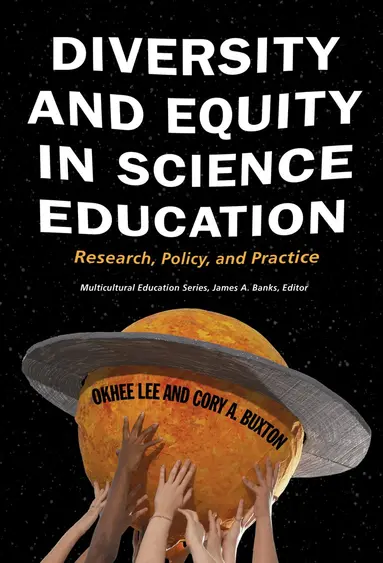
Diversity and Equity in Science Education
Okhee Lee, Cory A. Buxton, James A Banks
Inbunden, 2010
816 kr
Du kanske också är intresserad av
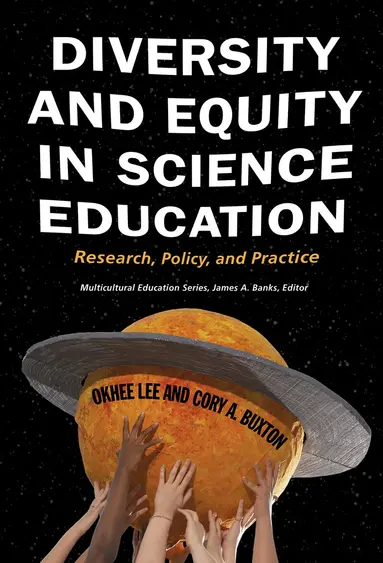
Diversity and Equity in Science Education
Okhee Lee, Cory A. Buxton, James A Banks
Inbunden, 2010
816 kr
100 Experiential Learning Activities for Social Studies, Literature, and the Arts, Grades 5-12
Eugene F. Provenzo, Dan W. Butin, Anthony Angelini
Inbunden, 2008
1 217 kr
Critical Issues in Education
Jr. Provenzo, Eugene F., Eugene F. Provenzo, Jr., Jr. Eugene F. Provenzo, Eugene F. Provenzo
Inbunden, 2006
2 614 kr
100 Experiential Learning Activities for Social Studies, Literature, and the Arts, Grades 5-12
Eugene F. Provenzo, Dan W. Butin, Anthony Angelini
Häftad, 2008
606 kr