
Modernism and the Classics in Central European Art
Inbunden, Engelska, 2027
1 250 kr
Kommande. Bevaka för att få ett mejl när produkten kan beställas.
Beskrivning
Central European Modernists radically re-invented the classical tradition in art between the two world wars. This book breaks new ground in elucidating how Fauvists, Expressionists, Cubists and Surrealists successively constructed and deconstructed the classics for their own ends. The First World War changed forever the way artists conceived of their art, and of the role of the classics in it. This was above all true in Germany, where the trauma of war and its aftermath made the classical arcadias so beloved of neoclassical art seem a distant dream. Yet while some Fauvists continued to cling in escapism to classical idylls, many Expressionists instead turned to the classics for a new language with which to express the suffering of war.Elsewhere in central Europe, and in Czechoslovakia above all, Cubist artists re-cast the classics in radical new ways in their search to construct new artistic forms. Then as the cosmopolitanism of the 1930s ebbed away, Nazi artists too turned back to the classics, and above all to Greek sculpture, for inspiration for their racial and political ideal. Striking out on their own, the Surrealists consciously injected disorder into their art, simultaneously rejecting and embracing the classical tradition in a way never seen before in Western art. Tracing the complex relationship of Modernism and the classics in central Europe, this book writes a new chapter in the history of classical reception in the arts. Through engagement with Central European scholarship not currently available in English, it makes accessible key material on these artists.
Produktinformation
Utforska kategorier
Mer om författaren
Innehållsförteckning
Hoppa över listan

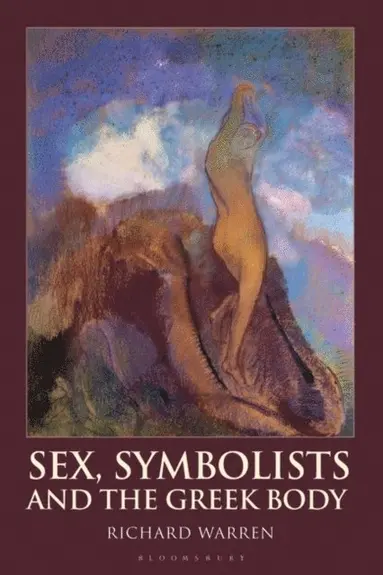
Mer från samma författare
A Testimony of Antiquity Concerning the Sacramental Body and Blood of Christ, Written in the Old Saxon Tongue Before the Conquest
Matthew 1504-1575 Parker, Benjamin 1676-1761 Hoadly, Richard Warren
Inbunden, 2022
499 kr
A Testimony of Antiquity Concerning the Sacramental Body and Blood of Christ, Written in the Old Saxon Tongue Before the Conquest
Matthew 1504-1575 Parker, Benjamin 1676-1761 Hoadly, Richard Warren
Häftad, 2022
373 kr
A Testimony of Antiquity Concerning the Sacramental Body and Blood of Christ, Written in the Old Saxon Tongue Before the Conquest
Matthew 1504-1575 Parker, Benjamin 1676-1761 Hoadly, Richard Warren
Inbunden, 2022
513 kr
A Testimony of Antiquity Concerning the Sacramental Body and Blood of Christ, Written in the Old Saxon Tongue Before the Conquest
Matthew 1504-1575 Parker, Benjamin 1676-1761 Hoadly, Richard Warren
Häftad, 2022
399 kr
Hoppa över listan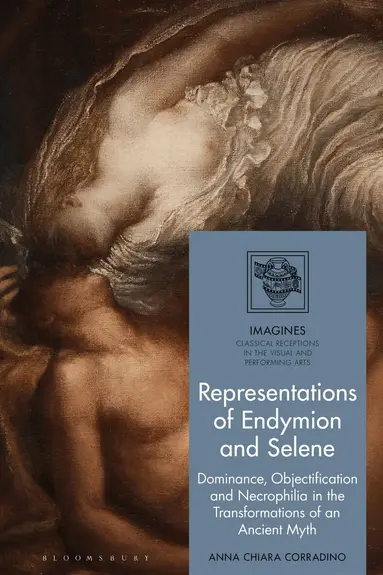
Mer från samma serie
Representations of Endymion and Selene
Anna Chiara Corradino, Filippo Carlà-Uhink, Martin Lindner
Häftad, 2026
486 kr
Orientalism and the Reception of Powerful Women from the Ancient World
Filippo Carlà-Uhink, Anja Wieber
Inbunden, 2020
1 925 kr
Orientalism and the Reception of Powerful Women from the Ancient World
Filippo Carlà-Uhink, Anja Wieber
E-bok
2020530 kr
Orientalism and the Reception of Powerful Women from the Ancient World
Filippo Carlà-Uhink, Anja Wieber
E-bok
2020526 kr
Hoppa över listan



Du kanske också är intresserad av
- -15% på allt
A Testimony of Antiquity Concerning the Sacramental Body and Blood of Christ, Written in the Old Saxon Tongue Before the Conquest
Matthew 1504-1575 Parker, Benjamin 1676-1761 Hoadly, Richard Warren
Inbunden, 2022
499 kr
A Testimony of Antiquity Concerning the Sacramental Body and Blood of Christ, Written in the Old Saxon Tongue Before the Conquest
Matthew 1504-1575 Parker, Benjamin 1676-1761 Hoadly, Richard Warren
Inbunden, 2022
513 kr
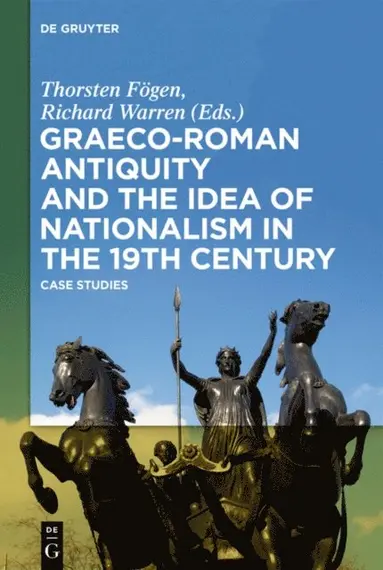
Graeco-Roman Antiquity and the Idea of Nationalism in the 19th Century
Richard Warren, Thorsten Fogen
E-bok
20162 027 kr