
The Oxford Handbook of Phenomenologies and Organization Studies
François-Xavier de Vaujany, Jeremy Aroles, Mar Perézts
Inbunden, 2023
2 758 kr
AvFrançois-Xavier de Vaujany,Kätlin Pulk
2 077 kr
Kommande. Bevaka för att få ett mejl när produkten kan beställas.
François-Xavier de Vaujany, Jeremy Aroles, Mar Perézts
Inbunden, 2023
2 758 kr
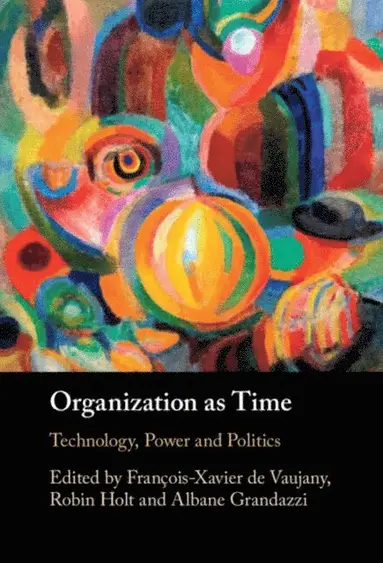
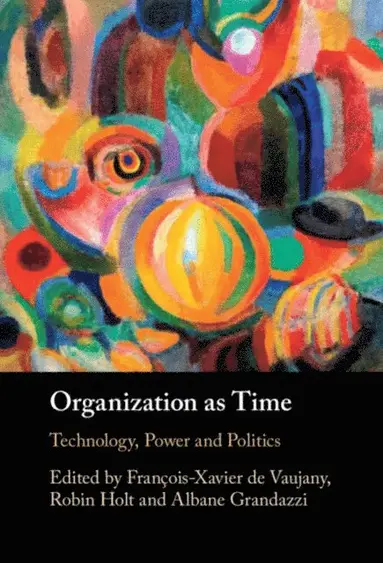
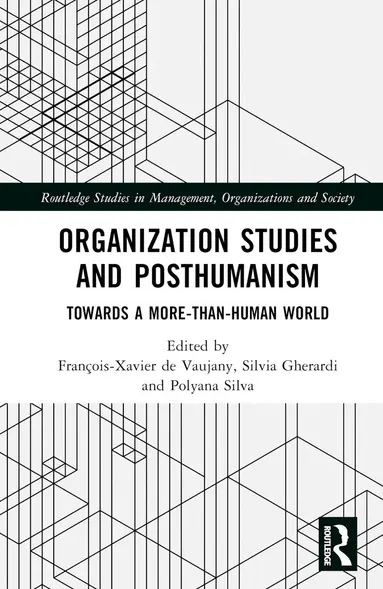
François-Xavier de Vaujany, Silvia Gherardi, Polyana Silva
Inbunden, 2024
2 526 kr
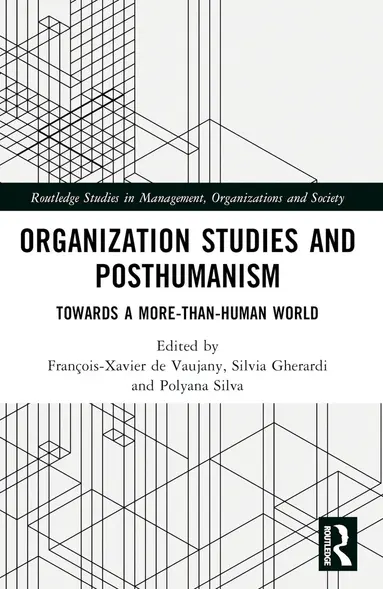
François-Xavier de Vaujany, Silvia Gherardi, Polyana Silva
Häftad, 2025
710 kr


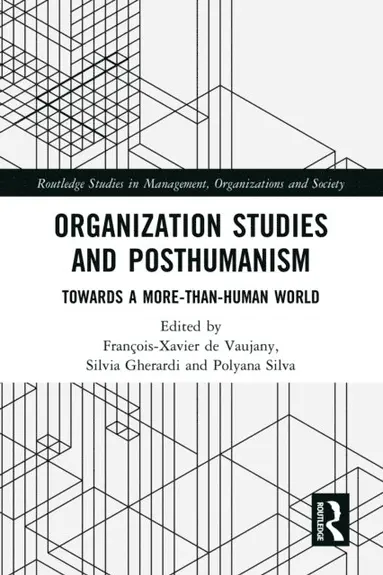
Polyana Silva, Silvia Gherardi, Francois-Xavier de Vaujany
826 kr
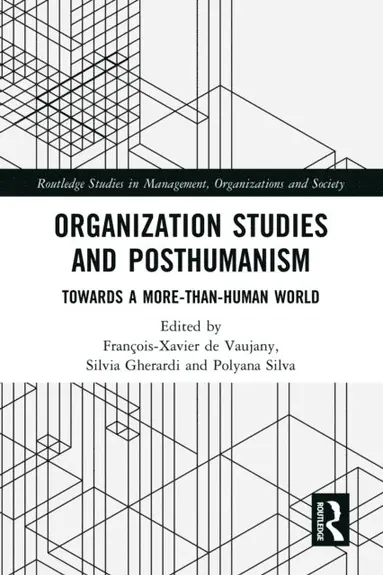
Polyana Silva, Silvia Gherardi, Francois-Xavier de Vaujany
826 kr




François-Xavier de Vaujany, Kätlin Pulk, Pierre Labardin
Häftad, 2026
1 911 kr

François-Xavier de Vaujany, Kätlin Pulk, Pierre Labardin
Inbunden, 2025
1 911 kr