
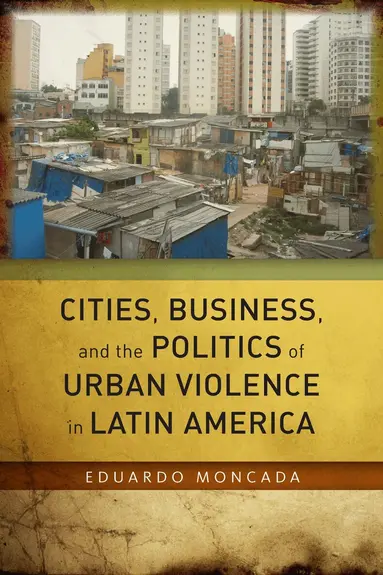
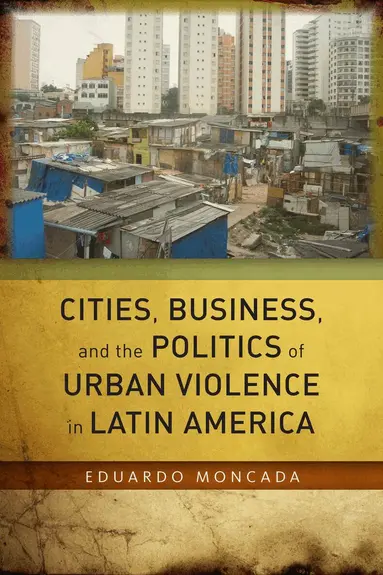
Cities, Business, and the Politics of Urban Violence in Latin America
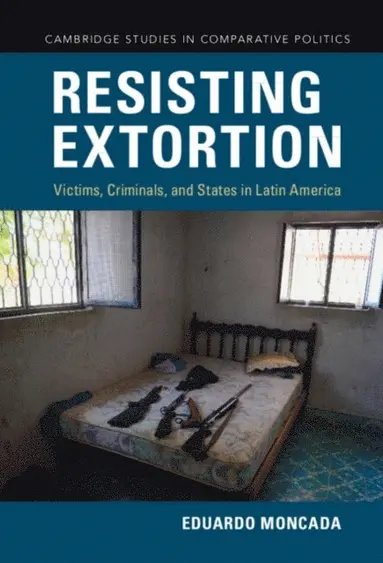
Eduardo Moncada
Inbunden, 2016
868 kr
Del i serien Elements in Politics and Society in Latin America
300 kr
Kommande. Bevaka för att få ett mejl när produkten kan beställas.
Eduardo Moncada
Inbunden, 2016
868 kr
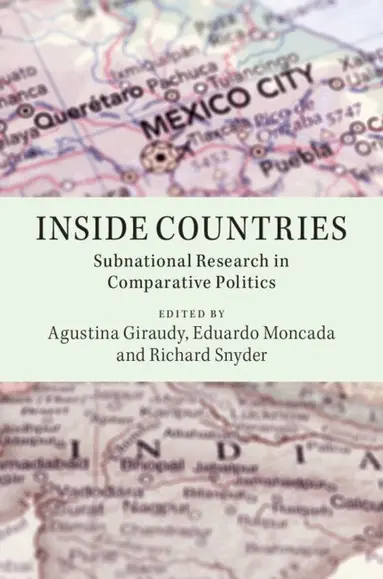
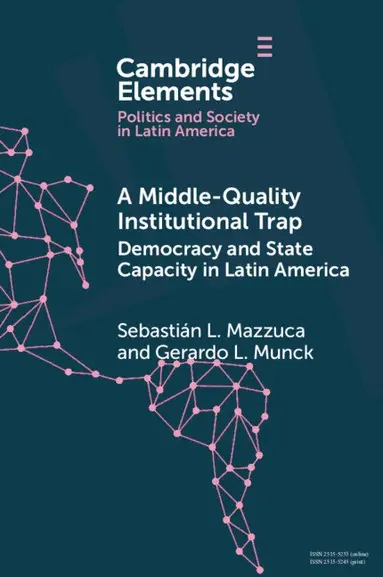
Sebastián L. Mazzuca, Gerardo L. Munck
Häftad, 2021
308 kr

Isabella Alcañiz, Ricardo A. Gutiérrez
Häftad, 2022
306 kr
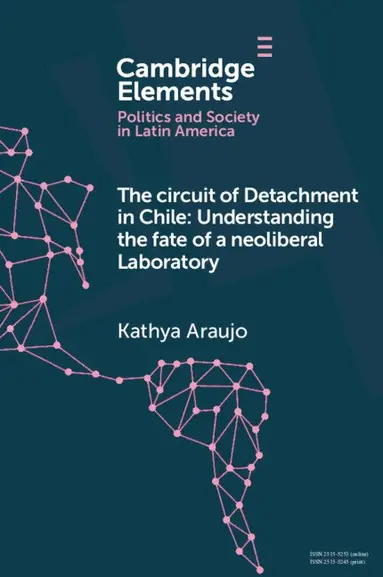
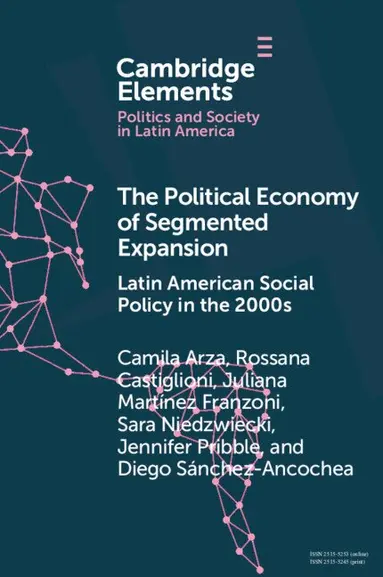
Camila Arza, Rossana Castiglioni, Juliana Martínez Franzoni, Sara Niedzwiecki, Jennifer Pribble, Diego Sánchez-Ancochea
Häftad, 2022
317 kr
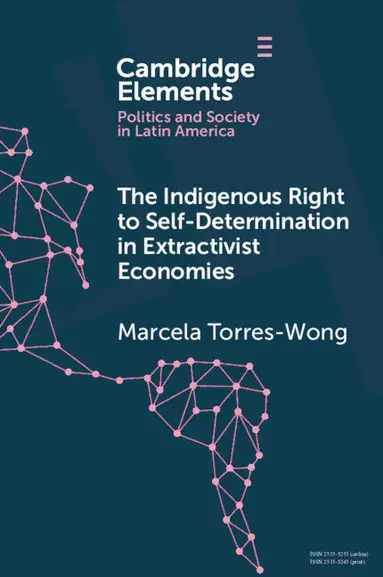
Marcela Torres-Wong
Häftad, 2023
406 kr
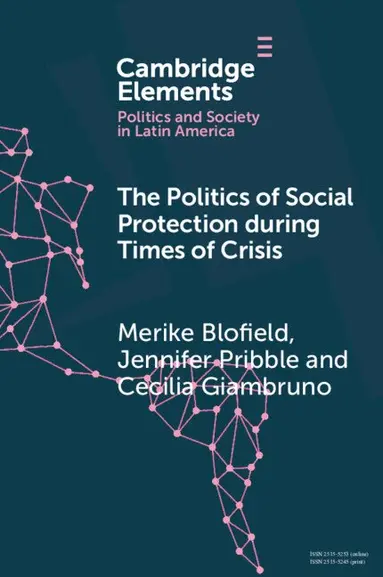
Merike Blofield, Jennifer Pribble, Cecilia Giambruno
Häftad, 2023
413 kr

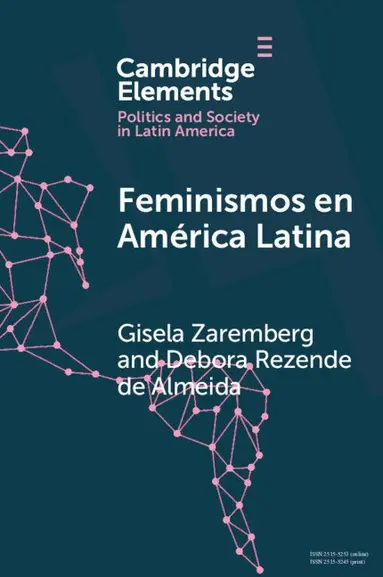
Camila Arza, Rossana Castiglioni, Juliana Martínez Franzoni, Sara Niedzwiecki, Jennifer Pribble, Diego Sánchez-Ancochea
Häftad, 2024
308 kr


Eduardo Moncada
Inbunden, 2026
952 kr