
Psychoanalytic Perspectives on Documenting October 7th
A Video Editor Bearing Witness
Inbunden, Engelska, 2027
2 428 kr
Kommande. Bevaka för att få ett mejl när produkten kan beställas.
Fler format och utgåvor
Beskrivning
This book offers a wide perspective on trauma documentation focusing on the October 7th attacks written by a psychoanalytic psychotherapist and video editor for the "Edut 710" (Testimony 710).Moving beyond raw historical documentation, the book studies eight testimonies in depth based on mechanisms of storytelling, listening, and collective memory. Each of the testimonies is analysed using psychoanalytic and hermeneutics methodology and placed within a broad social and cultural context.Accessible to the general public while providing a vital conceptual framework for clinicians and researchers, this book is a deeply ethical exploration of memory, civic engagement, and human connection in the aftermath of catastrophe.
Produktinformation
Utforska kategorier
Mer om författaren
Recensioner i media
Innehållsförteckning
Hoppa över listan
Mer från samma författare
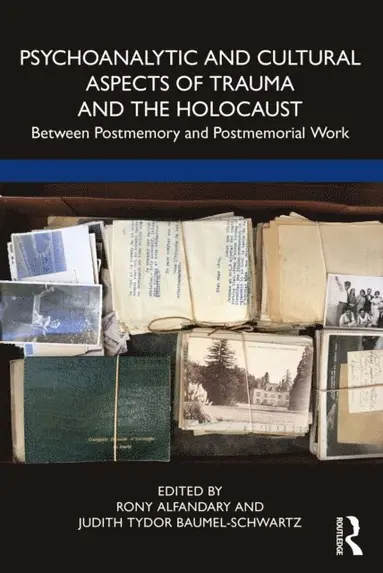
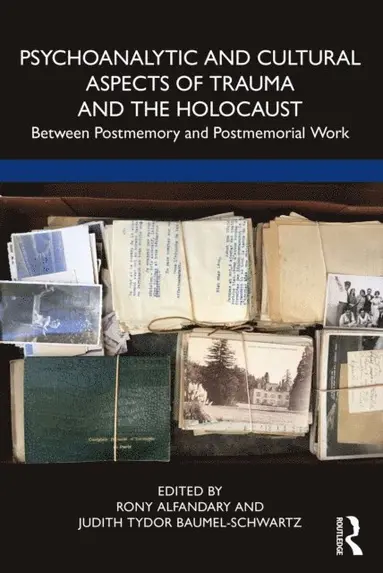
Psychoanalytic and Cultural Aspects of Trauma and the Holocaust
Judith Tydor Baumel-Schwartz, Rony Alfandary
E-bok
2022535 kr
Psychoanalytic and Cultural Aspects of Trauma and the Holocaust
Judith Tydor Baumel-Schwartz, Rony Alfandary
E-bok
2022531 kr
Psychoanalytic and Cultural Aspects of Trauma and the Holocaust
Rony Alfandary, Judith Tydor Baumel-Schwartz
Inbunden, 2022
2 216 kr
Hoppa över listan

Du kanske också är intresserad av
Psychoanalytic and Cultural Aspects of Trauma and the Holocaust
Judith Tydor Baumel-Schwartz, Rony Alfandary
E-bok
2022531 kr
Creativity and Psychoanalytic Psychotherapy at Times of War, Exile, and Trauma
Rony Alfandary
E-bok
2026660 kr
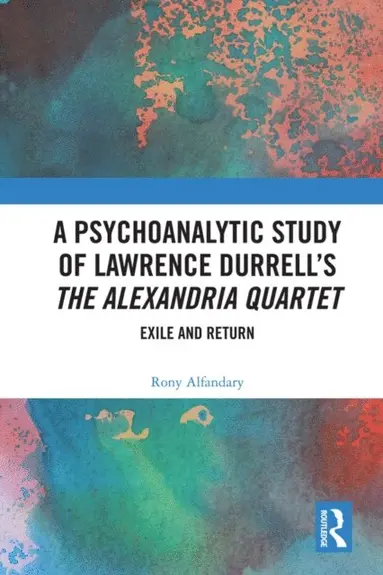
A Psychoanalytic Study of Lawrence Durrell’s The Alexandria Quartet
Rony Alfandary
Inbunden, 2018
2 475 kr
- Nyhet