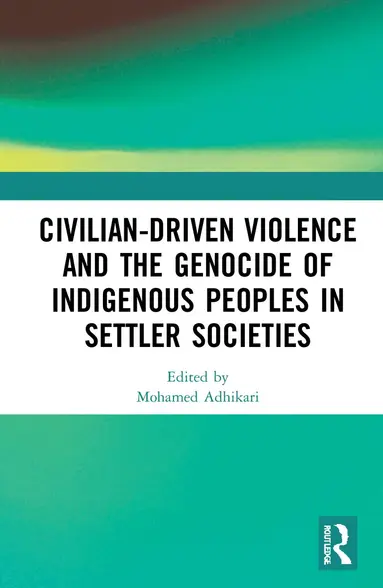
This book breaks new ground by placing mythology at the centre of the study of settler genocides of Indigenous peoples. It demonstrates how mythology shaped colonial violence as it was experienced, understood, justified, contested, and acknowledged.Western settler colonialism, a formative force in the making of the modern world, unleashed cataclysmic transformation across the globe. Amid these upheavals, settlers and Indigenous peoples adapted inherited mythologies and created new ones to explain their worlds, legitimate claims to sovereignty, defend their actions, and make sense of violence and loss. Despite its significance in the shaping of settler societies, the role of mythmaking in Indigenous destruction and survival has received little attention. Contributors examine not only how mythologies mediated genocidal conflict between settlers and Indigenous peoples, but also how competing interpretations became sites of ideological struggle, shaping colonial power and Indigenous resistance. The book therefore offers a distinctive perspective on how exterminatory violence was rationalized, challenged, and remembered, advancing scholarship on settler colonialism and genocide.Bringing together global case studies spanning the history of Western expansion, the volume will be essential reading for scholars and postgraduate students of settler colonialism, genocide studies, Indigenous studies, history, anthropology, and political theory.