
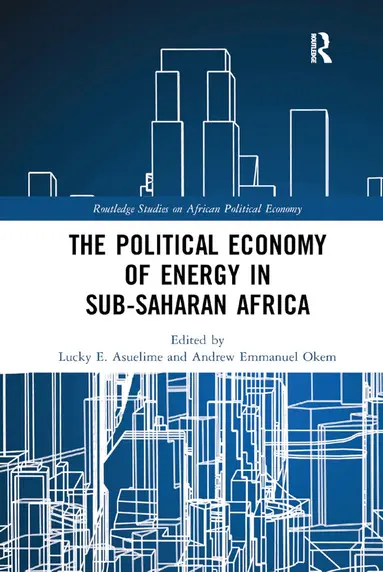
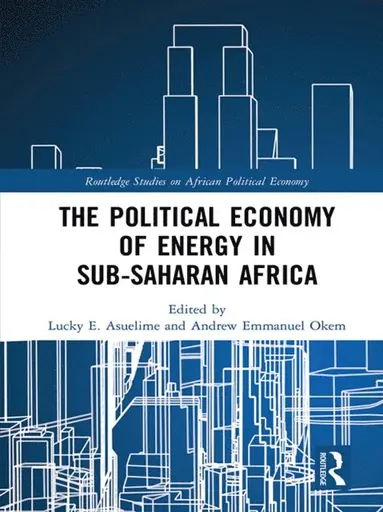
The Political Economy of Energy in Sub-Saharan Africa
Lucky E. Asuelime, Andrew Emmanuel Okem
Häftad, 2019
701 kr
AvAndrew Emmanuel Okem,Chandni Singh
Del i serien Routledge Advances in Climate Change Research
2 511 kr
Kommande. Bevaka för att få ett mejl när produkten kan beställas.
Lucky E. Asuelime, Andrew Emmanuel Okem
Häftad, 2019
701 kr
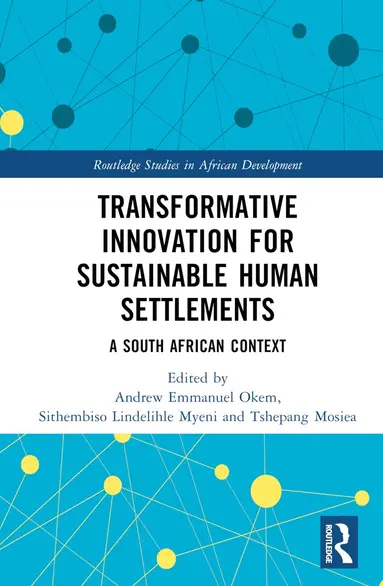
Andrew Emmanuel Okem, Sithembiso Lindelihle Myeni, Tshepang Mosiea
Inbunden, 2024
2 547 kr
Andrew Emmanuel Okem, Sithembiso Lindelihle Myeni, Tshepang Mosiea
Häftad, 2026
716 kr
Tshepang Mosiea, Sithembiso Lindelihle Myeni, Andrew Emmanuel Okem
826 kr
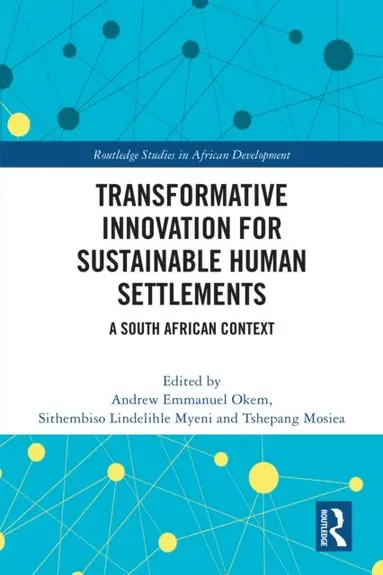
Tshepang Mosiea, Sithembiso Lindelihle Myeni, Andrew Emmanuel Okem
831 kr
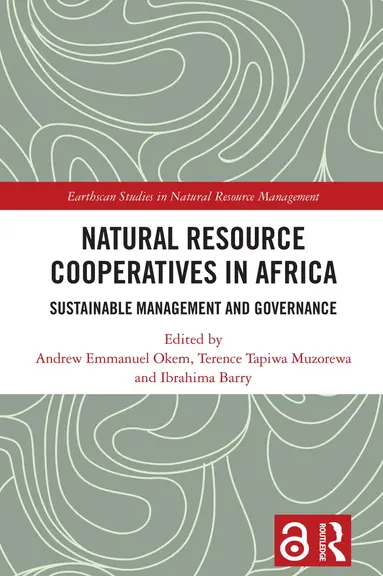
Andrew Emmanuel Okem, Terence Tapiwa Muzorewa, Ibrahima Barry
Inbunden, 2026
2 547 kr
Lucky E. Asuelime, Andrew Emmanuel Okem
Inbunden, 2017
2 547 kr
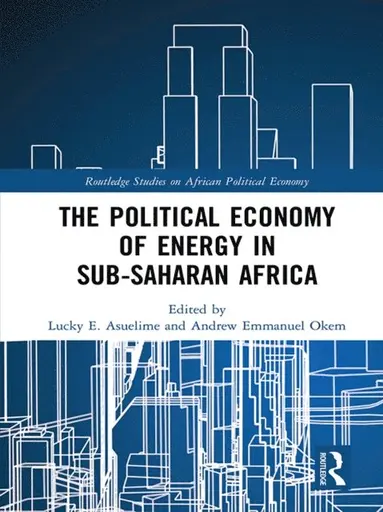
Andrew Emmanuel Okem, Lucky E. Asuelime
814 kr
Andrew Emmanuel Okem, Lucky E. Asuelime
814 kr
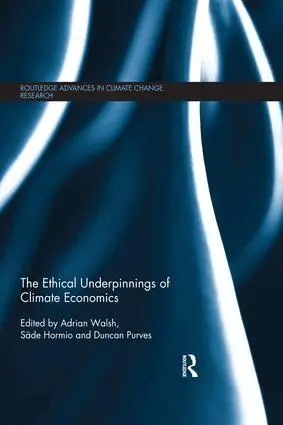
Adrian Walsh, Säde Hormio, Duncan Purves
Häftad, 2019
760 kr


Maitreyi Wolff, Erich Wolff, Chandni Singh, Perrine Hamel
Häftad, 2026
467 kr
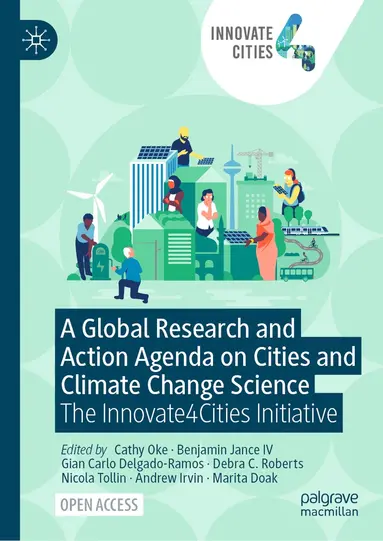
Cathy Oke, Benjamin Jance IV, Gian Carlo Delgado-Ramos, Debra C. Roberts, Nicola Tollin, Andrew Irvin, Marita Doak
Inbunden, 2026
554 kr
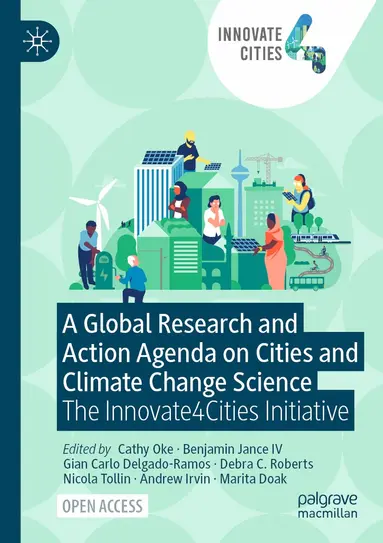
Cathy Oke, Benjamin Jance IV, Gian Carlo Delgado-Ramos, Debra C. Roberts, Nicola Tollin, Andrew Irvin, Marita Doak
Häftad, 2026
446 kr
Andrew Emmanuel Okem, Terence Tapiwa Muzorewa, Ibrahima Barry
Inbunden, 2026
2 547 kr
Andrew Emmanuel Okem, Lucky E. Asuelime
814 kr
Lucky E. Asuelime, Andrew Emmanuel Okem
Inbunden, 2017
2 547 kr
Andrew Emmanuel Okem, Sithembiso Lindelihle Myeni, Tshepang Mosiea
Häftad, 2026
716 kr