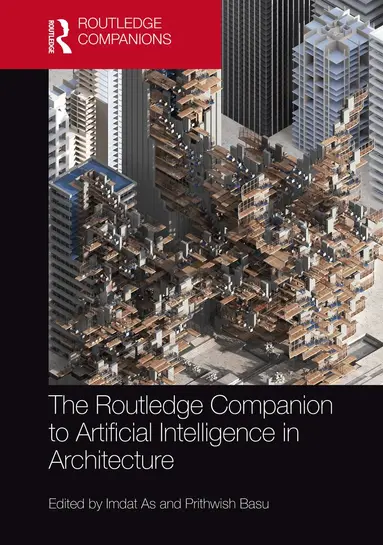
Artificial intelligence is no longer a speculative tool in architecture — it is reshaping how we conceive, design, analyse, and evaluate the built environment. The Routledge Companion to Artificial Intelligence in Architecture – Second Edition responds to this transformation by examining how generative models, large language systems, AI agents, immersive environments, and performance-driven analytics are redefining architectural knowledge and professional practice.This new volume builds on the first edition, examining the expanding role of AI from research and experimentation towards practical implementation. Language becomes design material, agency is negotiated between human and machine, and data-driven systems connect design to spatial and environmental analysis, simulation, and performance evaluation. Bringing together international scholars and practitioners, the book is structured in five interconnected domains: foundations and critical perspectives; generative models and human–AI interaction; AI in architectural research and education; spatial intelligence and performance; and AI workflows and applications. Across these parts, the volume investigates how architectural information is represented, how computational outcomes are evaluated, and how AI reshapes architectural judgement, authorship, and responsibility.Rather than treating AI as a technological add-on, this book positions it as a structural transformation of architectural thinking. It offers both critical reflection and concrete methodologies, equipping researchers and practitioners, as well as educators and students, with a rigorous framework for navigating the rapidly evolving field of AI-augmented design.