
Geopolymers
Andrei Victor Sandu, Liew Yun-Ming, Dumitru Doru Burduhos-Nergis, Rafiza Abdul Razak, Mohd Mustafa Al Bakri Abdullah, Petrica Vizureanu
E-bok
2023963 kr
AvRafiza Abdul Razak,Mohd. Hafiszudin Mohd. Amin
2 428 kr
Kommande. Bevaka för att få ett mejl när produkten kan beställas.
Andrei Victor Sandu, Liew Yun-Ming, Dumitru Doru Burduhos-Nergis, Rafiza Abdul Razak, Mohd Mustafa Al Bakri Abdullah, Petrica Vizureanu
963 kr
Andrei Victor Sandu, Liew Yun-Ming, Dumitru Doru Burduhos-Nergis, Rafiza Abdul Razak, Mohd Mustafa Al Bakri Abdullah, Petrica Vizureanu
970 kr
Petrica Vizureanu, Mohd Mustafa Al Bakri Abdullah, Rafiza Abdul Razak, Dumitru Doru Burduhos-Nergis, Liew Yun-Ming, Andrei Victor Sandu
Inbunden, 2023
2 152 kr
Petrica Vizureanu, Mohd Mustafa Al Bakri Abdullah, Rafiza Abdul Razak, Dumitru Doru Burduhos-Nergis, Liew Yun-Ming, Andrei Victor Sandu
Häftad, 2025
830 kr
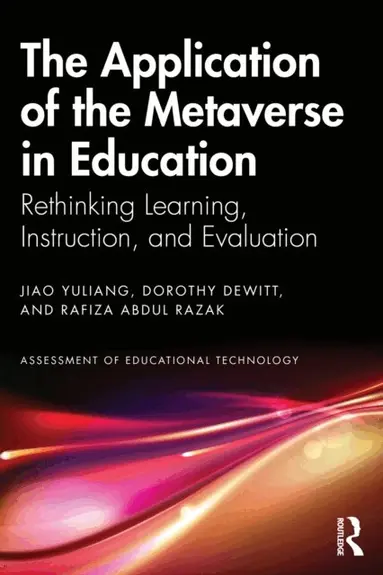
Rafiza Abdul Razak, Dorothy DeWitt, Jiao Yuliang
725 kr
Rafiza Abdul Razak, Dorothy DeWitt, Jiao Yuliang
725 kr
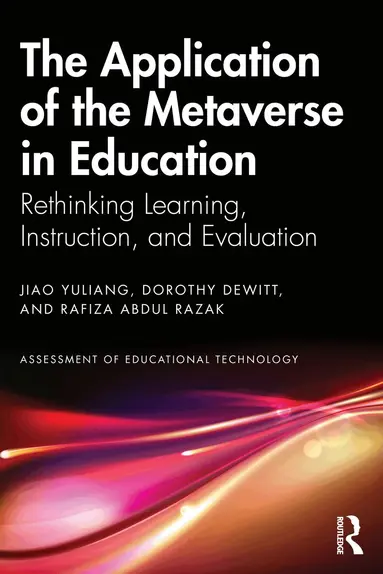
Jiao Yuliang, Dorothy DeWitt, Rafiza Abdul Razak
Häftad, 2026
635 kr
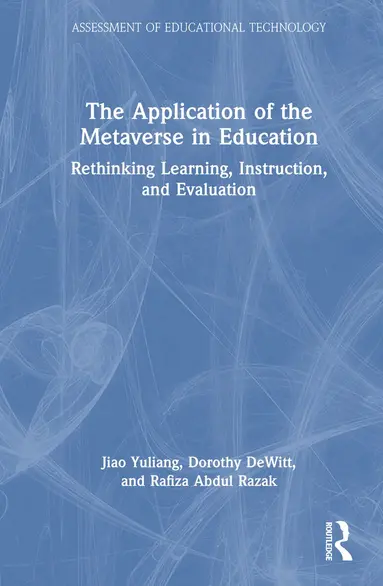
Jiao Yuliang, Dorothy DeWitt, Rafiza Abdul Razak
Inbunden, 2026
2 463 kr

Rafiza Abdul Razak, Mohd. Hafiszudin Mohd. Amin, Aizal Yusrina Idris, Nurul Fitriah Alias
Häftad, 2027
626 kr
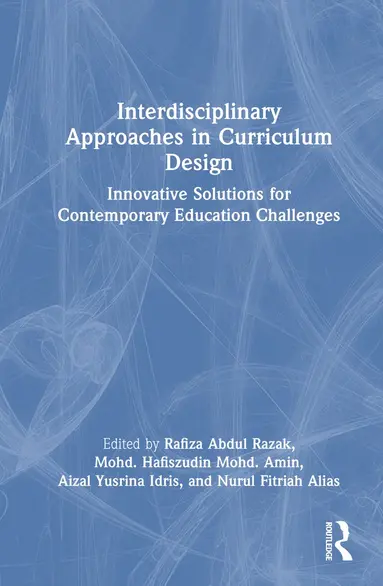
Rafiza Abdul Razak, Mohd. Hafiszudin Mohd. Amin, Aizal Yusrina Idris, Nurul Fitriah Alias
Inbunden, 2027
2 428 kr


Rafiza Abdul Razak, Mohd. Hafiszudin Mohd. Amin, Aizal Yusrina Idris, Nurul Fitriah Alias
Häftad, 2027
626 kr

Rafiza Abdul Razak, Nurul Fitriah Alias
Häftad, 2025
2 181 kr
Rafiza Abdul Razak, Mohd. Hafiszudin Mohd. Amin, Aizal Yusrina Idris, Nurul Fitriah Alias
Inbunden, 2027
2 428 kr
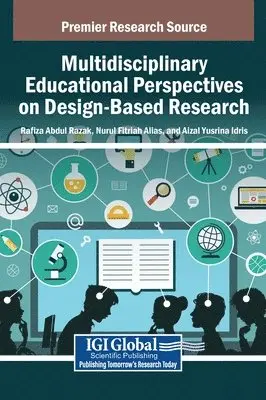
Rafiza Abdul Razak, Nurul Fitriah Alias, Aizal Yusrina Idris
Inbunden, 2025
3 685 kr

Rafiza Abdul Razak, Nurul Fitriah Alias, Aizal Yusrina Idris
Inbunden, 2025
2 662 kr
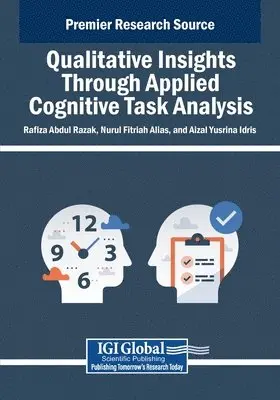
Rafiza Abdul Razak, Nurul Fitriah Alias
Häftad, 2025
2 542 kr
Rafiza Abdul Razak, Mohd. Hafiszudin Mohd. Amin, Aizal Yusrina Idris, Nurul Fitriah Alias
Häftad, 2027
626 kr
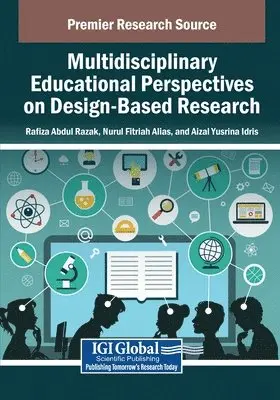
Rafiza Abdul Razak, Nurul Fitriah Alias
Häftad, 2025
3 204 kr

Rafiza Abdul Razak, Nurul Fitriah Alias, Aizal Yusrina Idris
Inbunden, 2025
3 111 kr