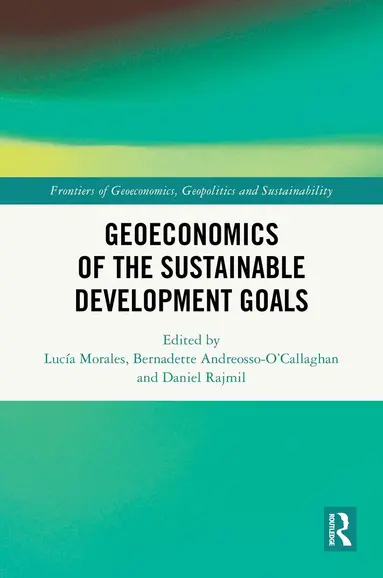
Geoeconomics of the Sustainable Development Goals
Lucía Morales, Bernadette Andreosso-O'Callaghan, Daniel Rajmil
Inbunden, 2025
2 547 kr
2 440 kr
Kommande. Bevaka för att få ett mejl när produkten kan beställas.
Lucía Morales, Bernadette Andreosso-O'Callaghan, Daniel Rajmil
Inbunden, 2025
2 547 kr
Lucía Morales, Bernadette Andreosso-O'Callaghan, Daniel Rajmil
Häftad, 2026
716 kr
Daniel Rajmil, Bernadette Andreosso-O'Callaghan, Lucia Morales
805 kr
Daniel Rajmil, Bernadette Andreosso-O'Callaghan, Lucia Morales
831 kr
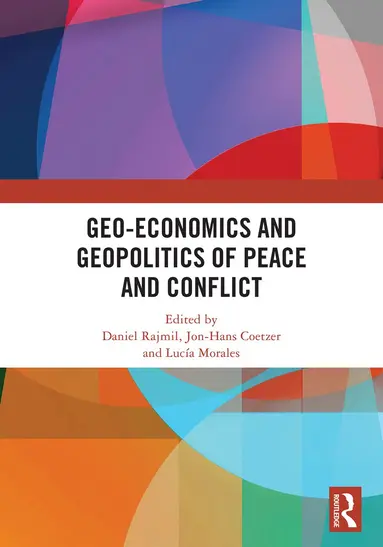
Daniel Rajmil, Jon-Hans Coetzer, Lucía Morales
Inbunden, 2026
2 547 kr

Lucía, Morales, Lucía Morales, Sam Dzever
Inbunden, 2023
1 785 kr

Lucía Morales, Bernadette Andreosso-O'Callaghan, Daniel Rajmil
Inbunden, 2025
2 547 kr
Daniel Rajmil, Jon-Hans Coetzer, Lucía Morales
Inbunden, 2026
2 547 kr
Lucía, Morales, Lucía Morales, Sam Dzever
Inbunden, 2023
1 785 kr
Lucía Morales, Bernadette Andreosso-O'Callaghan, Daniel Rajmil
Häftad, 2026
716 kr
Daniel Rajmil, Bernadette Andreosso-O'Callaghan, Lucia Morales
831 kr
Daniel Rajmil, Bernadette Andreosso-O'Callaghan, Lucia Morales
805 kr