
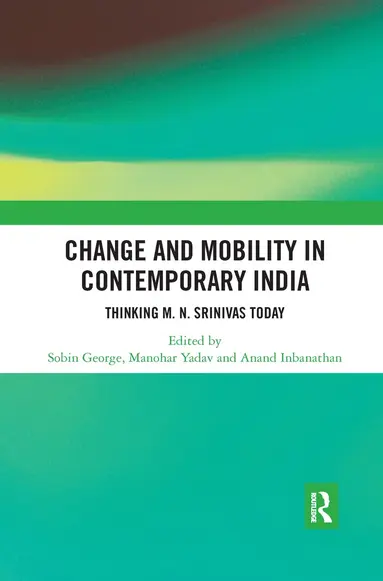
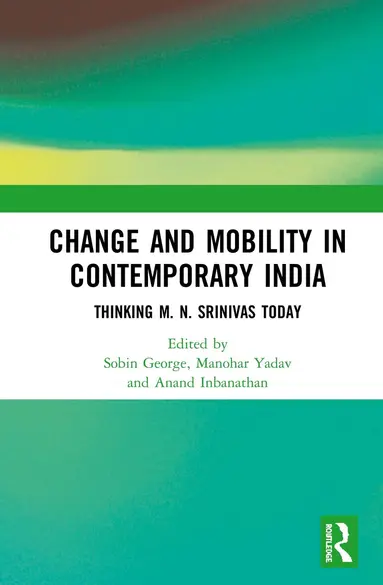
Change and Mobility in Contemporary India
Sobin George, Manohar Yadav, Anand Inbanathan
E-bok
2019749 kr
2 586 kr
Kommande. Bevaka för att få ett mejl när produkten kan beställas.
Sobin George, Manohar Yadav, Anand Inbanathan
749 kr
Sobin George, Manohar Yadav, Anand Inbanathan
733 kr
Sobin George, Manohar Yadav, Anand Inbanathan
Häftad, 2021
646 kr




Sobin George, Manohar Yadav, Anand Inbanathan
Inbunden, 2019
2 346 kr







Shalini Sinha, Gaurav Mittal, Anjali Kundu
Häftad, 2026
864 kr

Shalini Sinha, Gaurav Mittal, Anjali Kundu
Häftad, 2026
864 kr

Shalini Sinha, Gaurav Mittal, Anjali Kundu
Häftad, 2026
870 kr

Shalini Sinha, Gaurav Mittal, Anjali Kundu
Häftad, 2026
864 kr