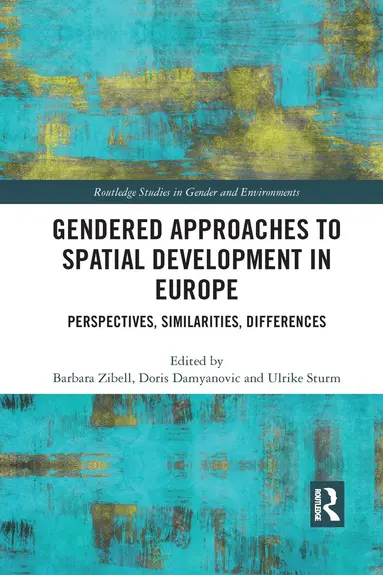
Gendered Approaches to Spatial Development in Europe
Barbara Zibell, Doris Damyanovic, Ulrike Sturm
Häftad, 2020
729 kr
2 498 kr
Kommande. Bevaka för att få ett mejl när produkten kan beställas.
Barbara Zibell, Doris Damyanovic, Ulrike Sturm
Häftad, 2020
729 kr
Ulrike Sturm, Doris Damyanovic, Barbara Zibell
830 kr
Ulrike Sturm, Doris Damyanovic, Barbara Zibell
849 kr
Barbara Zibell, Doris Damyanovic, Ulrike Sturm
Inbunden, 2019
2 534 kr





Gunnhildur Lily Magnusdottir, Annica Kronsell
Inbunden, 2021
2 542 kr
Amber J. Fletcher, Maureen G. Reed
Inbunden, 2022
2 542 kr

Bernadette Resurrección, Rebecca Elmhirst
Häftad, 2022
700 kr
Barbara Zibell, Doris Damyanovic, Ulrike Sturm
Häftad, 2020
729 kr

Bernadette Resurrección, Rebecca Elmhirst
Inbunden, 2020
2 515 kr

Gunnhildur Lily Magnusdottir, Annica Kronsell
Häftad, 2023
653 kr


Barbara Zibell, Doris Damyanovic, Ulrike Sturm
Inbunden, 2019
2 534 kr
Barbara Zibell, Doris Damyanovic, Ulrike Sturm
Häftad, 2020
729 kr
Ulrike Sturm, Doris Damyanovic, Barbara Zibell
849 kr