
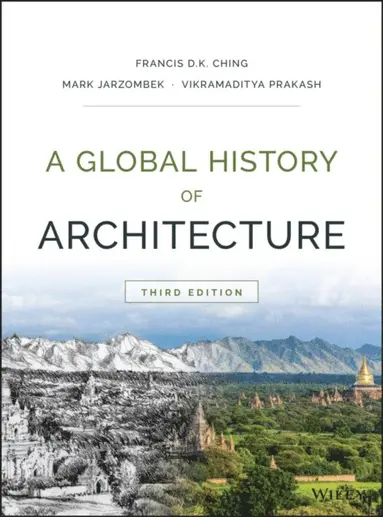
Global History of Architecture
Vikramaditya Prakash, Mark M. Jarzombek, Francis D. K. Ching
E-bok
20171 749 kr
681 kr
Kommande. Bevaka för att få ett mejl när produkten kan beställas.
Vikramaditya Prakash, Mark M. Jarzombek, Francis D. K. Ching
1 749 kr
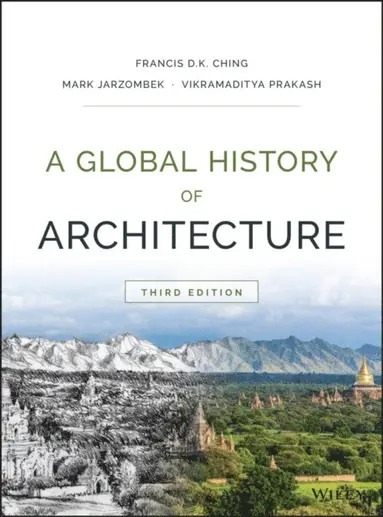
Vikramaditya Prakash, Mark M. Jarzombek, Francis D. K. Ching
1 724 kr

Francis D. K. Ching, Mark M. Jarzombek, Vikramaditya Prakash
Inbunden, 2017
1 538 kr
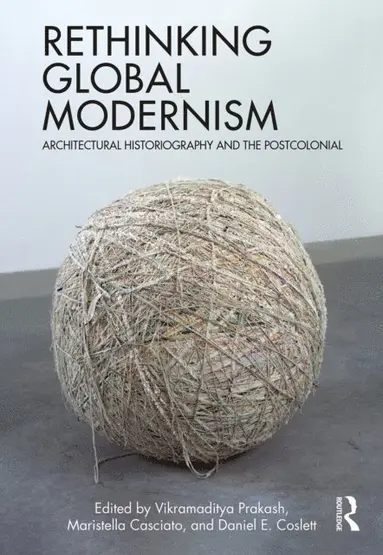
Daniel E. Coslett, Maristella Casciato, Vikramaditya Prakash
737 kr
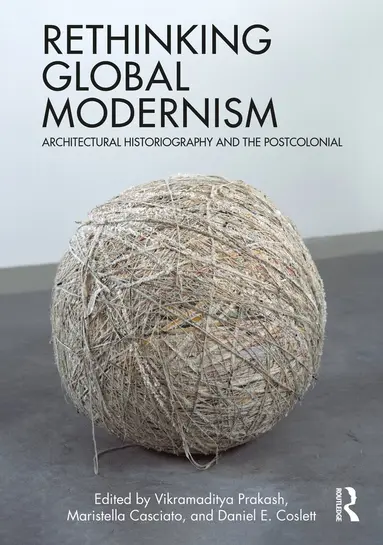
Vikramaditya Prakash, Maristella Casciato, Daniel E. Coslett
Inbunden, 2021
2 620 kr
Vikramaditya Prakash, Maristella Casciato, Daniel E. Coslett
Häftad, 2021
645 kr

Daniel E. Coslett, Maristella Casciato, Vikramaditya Prakash
737 kr





Christine Feak, John M. Swales
Häftad, 2027
288 kr
Vikramaditya Prakash, Mark M. Jarzombek, Francis D. K. Ching
1 749 kr




Deepti Pandita, Dalapathi Gugulothu, Neelam Poonia, Viney Lather
Inbunden, 2027
1 879 kr