
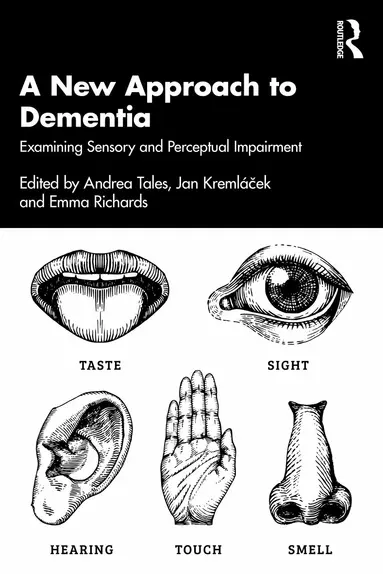
A New Approach to Dementia
Lucy Kennedy, Andrea Tales, Jan Kremlacek, Emma Richards
Häftad, 2025
522 kr
2 573 kr
Kommande. Bevaka för att få ett mejl när produkten kan beställas.
Lucy Kennedy, Andrea Tales, Jan Kremlacek, Emma Richards
Häftad, 2025
522 kr
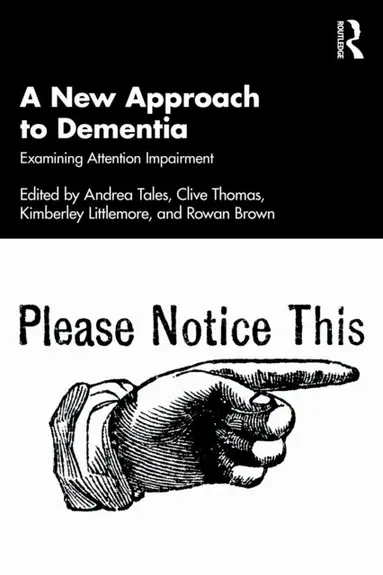
Rowan Brown, Kimberley Littlemore, Clive Thomas, Andrea Tales
744 kr
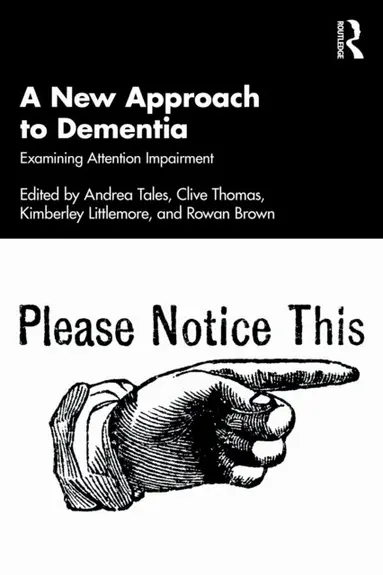
Rowan Brown, Kimberley Littlemore, Clive Thomas, Andrea Tales
733 kr
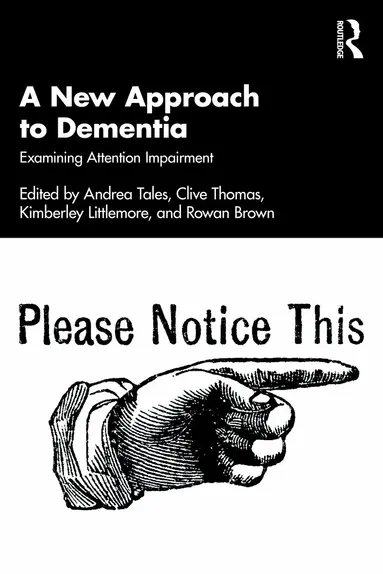
Andrea Tales, Clive Thomas, Kimberley Littlemore, Rowan Brown
Häftad, 2026
643 kr
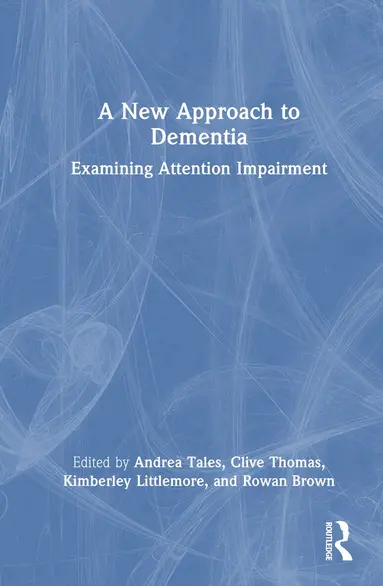
Andrea Tales, Clive Thomas, Kimberley Littlemore, Rowan Brown
Inbunden, 2026
2 610 kr

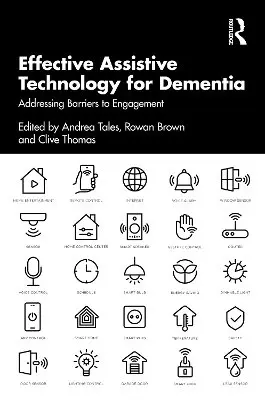
Andrea Tales, Clive Thomas, Rowan Brown
Häftad, 2027
753 kr
Rowan Brown, Kimberley Littlemore, Clive Thomas, Andrea Tales
733 kr
Andrea Tales, Clive Thomas, Kimberley Littlemore, Rowan Brown
Inbunden, 2026
2 610 kr
Andrea Tales, Clive Thomas, Kimberley Littlemore, Rowan Brown
Häftad, 2026
643 kr
Rowan Brown, Kimberley Littlemore, Clive Thomas, Andrea Tales
744 kr
Lucy Kennedy, Andrea Tales, Jan Kremlacek, Emma Richards
Häftad, 2025
522 kr