
Del 6
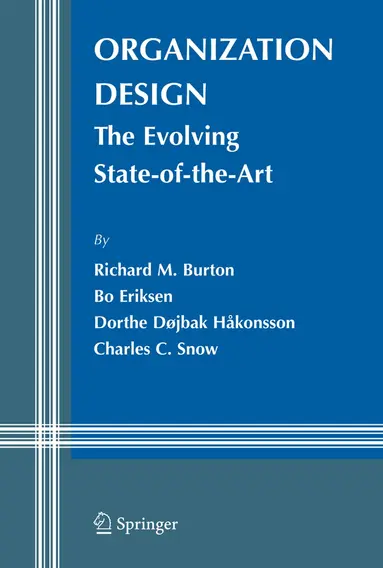
Organization Design
Richard M. Burton, Bo Eriksen, Dorthe Døjbak Håkonsson, Charles C. Snow
Inbunden, 2006
1 806 kr
AvRichard M. Burton,Børge Obel
1 685 kr
Beställningsvara. Skickas inom 10-15 vardagar. Fri frakt över 249 kr.
Richard M. Burton, Bo Eriksen, Dorthe Døjbak Håkonsson, Charles C. Snow
Inbunden, 2006
1 806 kr
Charles C. Snow, Dorthe Dojbak Hakonsson, Bo Eriksen, Richard M. Burton
1 646 kr
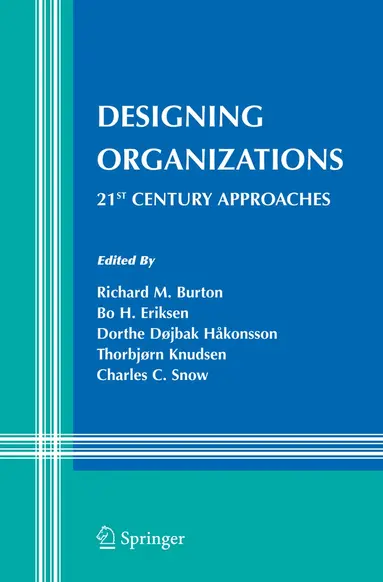
Richard M. Burton, Bo Eriksen, Dorthe Døjbak Håkonsson, Thorbjørn Knudsen, Charles C. Snow
Inbunden, 2008
1 806 kr
Charles C. Snow, Thorbjorn Knudsen, Dorthe Dojbak Hakonsson, Bo Eriksen, Richard M. Burton
1 695 kr

Richard M. Burton, Børge Obel, Dorthe Døjbak Håkonsson
Häftad, 2026
637 kr
Richard M. Burton, Børge Obel, Dorthe Døjbak Håkonsson
Inbunden, 2026
1 263 kr
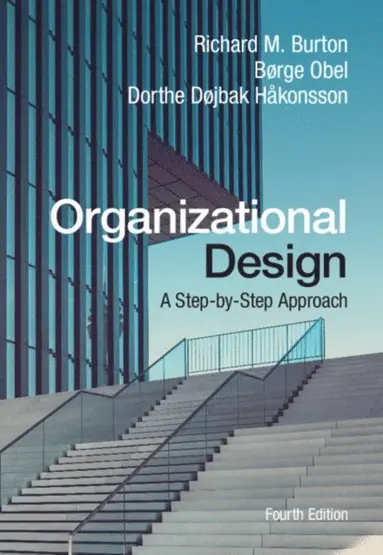




John Joseph, Oliver Baumann, Richard M. Burton, Kannan Srikanth
Inbunden, 2018
1 432 kr
Charles C. Snow, Thorbjorn Knudsen, Dorthe Dojbak Hakonsson, Bo Eriksen, Richard M. Burton
1 695 kr
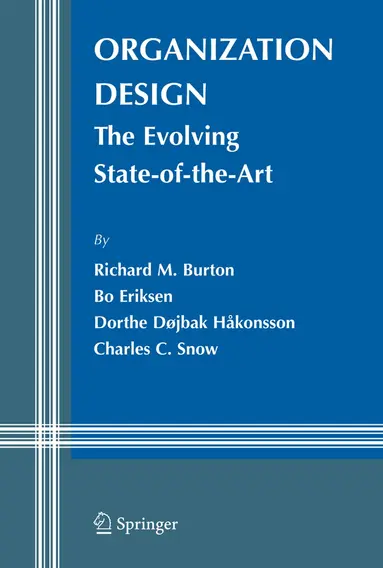
Richard M. Burton, Bo Eriksen, Dorthe Døjbak Håkonsson, Charles C. Snow
Häftad, 2011
1 300 kr

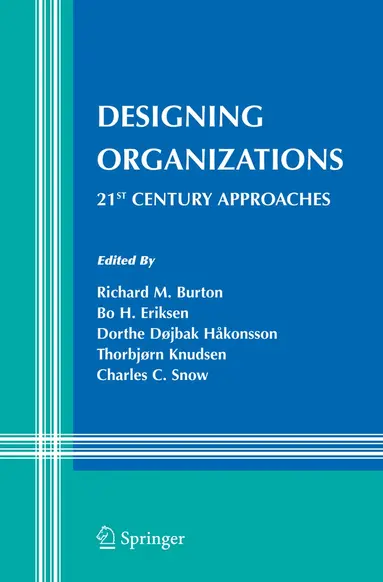
Richard M. Burton, Bo Eriksen, Dorthe Døjbak Håkonsson, Thorbjørn Knudsen, Charles C. Snow
Häftad, 2010
1 262 kr
Richard M. Burton, Børge Obel, Dorthe Døjbak Håkonsson
Häftad, 2026
637 kr