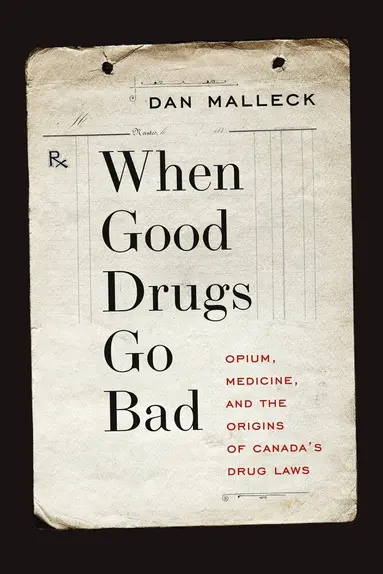
When Good Drugs Go Bad
Opium, Medicine, and the Origins of Canada's Drug Laws
431 kr
Tillfälligt slut. Bevaka för att få ett mejl när produkten kan beställas.
Fler format och utgåvor
Beskrivning
Produktinformation
- Utgivningsdatum:2016-02-15
- Mått:152 x 229 x 22 mm
- Vikt:482 g
- Format:Häftad
- Språk:Engelska
- Antal sidor:320
- Förlag:University of British Columbia Press
- ISBN:9780774829205
Utforska kategorier
Mer om författaren
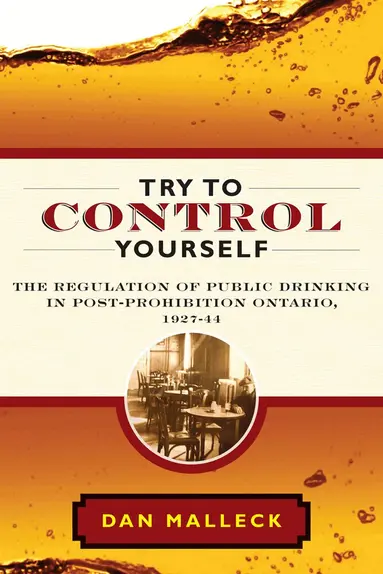
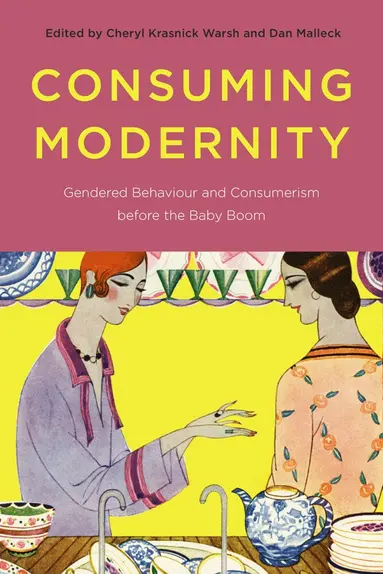
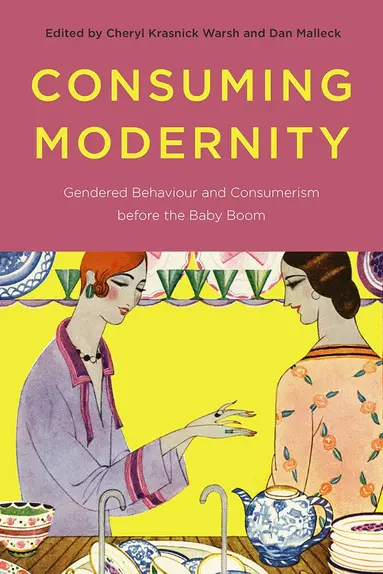
Dan Malleck researches and teaches the history of medicine, alcohol policy, drug regulation, and health professions in the department of Health Sciences at Brock University. He is the author of Try To Control Yourself: The Regulation of Public Drinking in Post-Prohibition Ontario, which won the Canadian Historical Association's Clio Award for best book in Ontario history for 2012. He is also the co-editor of Consuming Modernity: Gendered Behaviour and Consumerism Before the Baby Boom; the editor-in-chief of Social History of Alcohol and Drugs: an interdisciplinary journal; and series editor for the Histories of Substance series at UBC Press.
Recensioner i media
In Malleck's brilliant account we can see how commercial interests both combined and competed with professionals and sellers to influence Canada's drug laws … As Canadians debate how marijuana should be designated—legal or illegal, medicine or recreational drug or both—Malleck provides a fascinating description of a similar journey taken by pain medications such as opium and cocaine at the beginning of the last century. His book provides a useful history to help us navigate today's discussions about who should grow and sell safe and affordable marijuana.- Colleen Fuller, a researcher and writer focused on health and pharmaceutical policy (Alberta Views) Malleck's extensive use of primary sources convincingly establishes this context and describes the dominant origin story of Canada's drug laws that has not frequently been told. - Noah Wernikowski (Saskatchewan Law Review) Malleck vividly depicts how sensationalism, misunderstanding, and the threat to the practise of medicine fuelled the new concept of addiction distinct from insanity and moral depravity. Malleck's scouring of all available records provides a rich understanding of how the social and cultural factors surrounding opium in Canada set the stage for the moral debate over drug use … His thorough analysis and ability to draw on a mountain of records to seamlessly tell the story provides the reader with a new found appreciation of the complex development of drug legislation in the modern era. - Joel Rudewicz (Active History) [A] close study of how doctors, pharmacists, bureaucrats, and policy-makers wrestled over the control of opiates in the decades leading to the first Opium Act of 1908 … When Good Drugs Go Bad will be of interest to scholars exploring the history of drugs and their regulation while also adding to our understanding of state formation and professionalization during the nineteenth century. Its multi-regional focus on Quebec, Ontario, and British Columbia serves to nationalize these issues. Malleck also addresses and critically challenges the association in British Columbia between anti-Chinese sentiments and opium that, he argues, has distorted events by insisting that the Opium Act was a reaction to racial tensions. Instead, by broadening the regional lens, Malleck shifts the story to a contest over professional authority.- Erika Dyck (BC Studies) When Good Drugs Go Bad deepens our understanding of the connections that could be so easily drawn between the body, race, medicine and the nation in early twentieth century Canada. - Yvan Prkachin, Harvard University (Left History, Vol. 21 No. 1, Spring-Summer 2016) [When Good Drugs Go Bad] is a well-written and well-researched book… Readers will learn much about the "awesome, awe-inspiring, and awful substance" that was opium... Readers may also find that Malleck's discussion of "danger" and addiction fears with this drug in the nineteenth and early twentieth centuries resonates with today's opioid debates.- Shelley McKellar, University of Western Ontario (Pharmacy in History, Vol 60, No 3)
Innehållsförteckning
- Introduction: Its Baneful Influences1 Medicating Canada before Regulation2 Opium in Nineteenth-Century Medical Knowledge3 Canada's First Drug Laws4 Chinese Opium Smoking and Threats to the Nation5 Medicine, Addiction, and Ideas of Nation6 Madness and Addiction in the Asylums of English Canada7 Proprietary Medicines and the Nation's Health8 Regulating Proprietary Medicine9 Drug Laws and the Creation of IllegalityConclusion: Baneful InfluencesNotes; Bibliography; Index