
The Dawn of Renaissance Magic
And Its Twilight in the Enlightenment
Inbunden, Engelska, 2027
313 kr
Kommande. Bevaka för att få ett mejl när produkten kan beställas.
Beskrivning
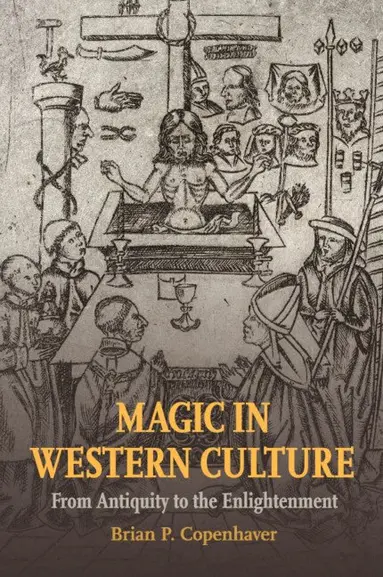
A spellbinding cultural and philosophical history of the rise and fall of Renaissance magic.Magic and the occult captivated educated Europeans in the fifteenth and sixteenth centuries. Philosophers, priests, doctors, and politicians sought to understand amulets, potions, angels and demons, spells and witchcraft. Yet, by the end of the seventeenth century, magic had largely fallen into disrepute. Brian Copenhaver traces this shift, offering a lively history of how learned magic flourished in the Renaissance and then crumbled as the Enlightenment dawned.Magical secrets were gleaned from ancient texts—some of them fraudulent—and introduced into Europe in places such as Florence, Cologne, Paris, and London. Practitioners included colorful characters such as Marsilio Ficino, the original Renaissance magus, who practiced astral medicine while making the first Latin translation of Plato; Giovanni Mercurio, a Roman street magician; Pico della Mirandola, who blended Kabbalah with magic; and the Hermeticist Lodovico Lazzarelli. This exuberant magic eventually showed a darker side. Giordano Bruno promoted it and was burned alive. Agrippa von Nettesheim successfully defended a woman imprisoned and tortured for witchcraft. Critics took these beliefs seriously and debated them. Their disputes energized the new theosophy of Henry More and Emanuel Swedenborg, which soon gave way to a still newer regime of antimagical rationalism supported by modern science.Recounting the stories of famous and obscure occultists, as well as the critics who challenged them, Copenhaver draws profound intellectual insights from Europe’s key magical texts and the captivating personalities who engaged in the craft.
Produktinformation
Utforska kategorier
Mer om författaren
Recensioner i media
Hoppa över listan


Mer från samma författare
Del 6
Del 85
On Human Worth and Excellence
Giannozzo Manetti, Brian P. Copenhaver, Brian P Copenhaver
Inbunden, 2019
360 kr
Del 100
900 Conclusions
Giovanni Pico della Mirandola, Brian P. Copenhaver, Brian P Copenhaver
Inbunden, 2025
313 kr
Del 3
Peter of Spain: Summaries of Logic
Brian P. Copenhaver, Calvin G. Normore, Terence Parsons
Inbunden, 2014
2 451 kr
Hoppa över listan

Du kanske också är intresserad av
Del 100
900 Conclusions
Giovanni Pico della Mirandola, Brian P. Copenhaver, Brian P Copenhaver
Inbunden, 2025
313 kr
Del 85
On Human Worth and Excellence
Giannozzo Manetti, Brian P. Copenhaver, Brian P Copenhaver
Inbunden, 2019
360 kr
Del 6
Symphorien Champier and the Reception of the Occultist Tradition in Renaissance France
Brian P. Copenhaver
E-bok
20121 472 kr
Del 50