
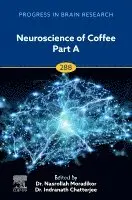
Del 288
Neuroscience of Coffee Part A
Moradikor,Nasrolla, Nasrollah Moradikor, Indranath Chatterjee
Inbunden, 2024
3 243 kr
AvNasrollah Moradikor,Firas Kobeissy
2 441 kr
Kommande. Bevaka för att få ett mejl när produkten kan beställas.
Moradikor,Nasrolla, Nasrollah Moradikor, Indranath Chatterjee
Inbunden, 2024
3 243 kr

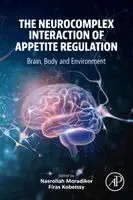
Nasrollah Moradikor, Firas Kobeissy
Häftad, 2027
2 726 kr

Indranath Chatterjee, Nasrollah Moradikor
Inbunden, 2024
2 223 kr

Nasrollah Moradikor, Indranath Chatterjee
1 030 kr

Nasrollah Moradikor, Indranath Chatterjee
1 045 kr

Nasrollah Moradikor, Abid Rashid Bhat
Inbunden, 2027
2 101 kr


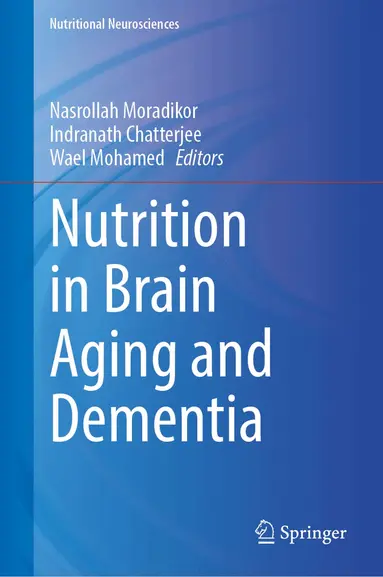
Nasrollah Moradikor, Indranath Chatterjee, Wael Mohamed
Inbunden, 2024
3 407 kr

Nasrollah Moradikor, Firas Kobeissy
Häftad, 2027
2 726 kr
Moradikor,Nasrolla, Nasrollah Moradikor, Indranath Chatterjee
Inbunden, 2024
3 243 kr
Nasrollah Moradikor, Abid Rashid Bhat
Inbunden, 2027
2 101 kr

Wael Mohamed, Indranath Chatterjee, Nasrollah Moradikor
4 187 kr
Nasrollah Moradikor, Indranath Chatterjee, Wael Mohamed
Inbunden, 2024
3 407 kr
Nasrollah Moradikor, Indranath Chatterjee
1 030 kr