

Microbial Biotechnology for Revolutionizing Biobased Biorefineries
Yogesh K. Ahlawat, Ramesh Chander Kuhad, Vijai Kumar Gupta
Häftad, 2026
2 556 kr
AvYogesh K. Ahlawat,Ashutosh Singh
1 858 kr
Kommande. Bevaka för att få ett mejl när produkten kan beställas.
Yogesh K. Ahlawat, Ramesh Chander Kuhad, Vijai Kumar Gupta
Häftad, 2026
2 556 kr

Vijai Kumar Gupta, Ramesh Chander Kuhad, Yogesh K. Ahlawat
3 259 kr

Anil Kumar Chhillar, Pawan K. Jaiwal, Ranjana Jaiwal, Darshna Chaudhary, Yogesh K. Ahlawat
Häftad, 2026
1 766 kr

Yogesh K. Ahlawat, Darshna Chaudhary, Ranjana Jaiwal, Pawan K. Jaiwal, Anil Kumar Chhillar
2 233 kr

Yogesh K. Ahlawat, Navnidhi Chhikara, Ashutosh Singh
Häftad, 2026
1 511 kr

Ashutosh Singh, Navnidhi Chhikara, Yogesh K. Ahlawat
1 910 kr

Yogesh K. Ahlawat
Häftad, 2026
2 619 kr

Yogesh K. Ahlawat
3 269 kr
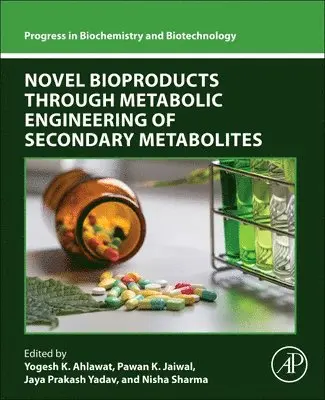
Yogesh K. Ahlawat, Pawan K. Jaiwal, Jaya Prakash Yadav, Nisha Sharma
Häftad, 2025
1 766 kr

Nisha Sharma, Jaya Prakash Yadav, Pawan K. Jaiwal, Yogesh K. Ahlawat
2 249 kr

Yogesh K. Ahlawat, Navnidhi Chhikara, Ashutosh Singh
Häftad, 2026
1 511 kr
Ashutosh Singh, Navnidhi Chhikara, Yogesh K. Ahlawat
1 910 kr
Yogesh K. Ahlawat
Häftad, 2026
2 619 kr
Nisha Sharma, Jaya Prakash Yadav, Pawan K. Jaiwal, Yogesh K. Ahlawat
2 249 kr
Yogesh K. Ahlawat
3 269 kr
Anil Kumar Chhillar, Pawan K. Jaiwal, Ranjana Jaiwal, Darshna Chaudhary, Yogesh K. Ahlawat
Häftad, 2026
1 766 kr
Yogesh K. Ahlawat, Darshna Chaudhary, Ranjana Jaiwal, Pawan K. Jaiwal, Anil Kumar Chhillar
2 233 kr
Yogesh K. Ahlawat, Pawan K. Jaiwal, Jaya Prakash Yadav, Nisha Sharma
Häftad, 2025
1 766 kr
Yogesh K. Ahlawat, Ramesh Chander Kuhad, Vijai Kumar Gupta
Häftad, 2026
2 556 kr