
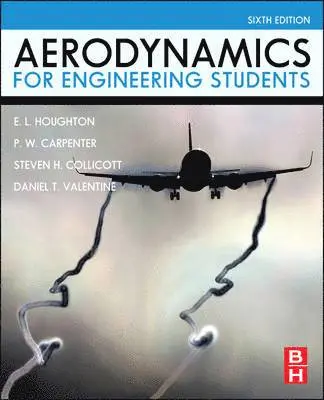
Aerodynamics for Engineering Students
Steven H. Collicott, Daniel T. Valentine, E. L. Houghton, P. W. Carpenter
Häftad, 2012
991 kr
1 957 kr
Kommande. Bevaka för att få ett mejl när produkten kan beställas.
Steven H. Collicott, Daniel T. Valentine, E. L. Houghton, P. W. Carpenter
Häftad, 2012
991 kr
P. W. Carpenter, E. L. Houghton, Daniel T. Valentine, Steven H. Collicott
750 kr
Steven H. Collicott, Daniel T. Valentine, E. L. Houghton, P. W. Carpenter
Häftad, 2016
1 269 kr
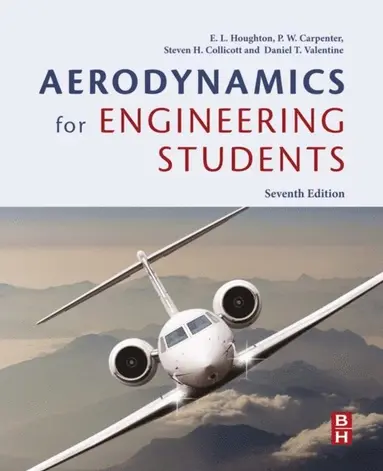
P. W. Carpenter, E. L. Houghton, Daniel T. Valentine, Steven H. Collicott
1 393 kr
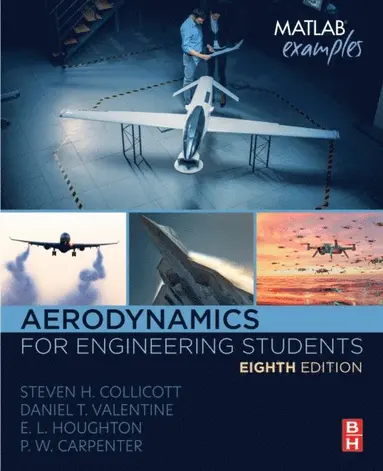
P. W. Carpenter, E. L. Houghton, Daniel T. Valentine, Steven H. Collicott
1 320 kr

Steven H. Collicott, Daniel T. Valentine, E. L. Houghton, P. W. Carpenter
Häftad, 2024
1 190 kr


Mahadi Hasan Masud, Eldad Avital, Peter Dabnichki
Häftad, 2026
3 256 kr

Yu Lv, Bing Wang, Zheng Qiao, John A. Ekaterinaris
Häftad, 2027
2 260 kr

P. W. Carpenter, E. L. Houghton, Daniel T. Valentine, Steven H. Collicott
1 320 kr
Steven H. Collicott, Daniel T. Valentine, E. L. Houghton, P. W. Carpenter
Häftad, 2024
1 190 kr
P. W. Carpenter, E. L. Houghton, Daniel T. Valentine, Steven H. Collicott
750 kr
Steven H. Collicott, Daniel T. Valentine, E. L. Houghton, P. W. Carpenter
Häftad, 2016
1 269 kr
Steven H. Collicott, Daniel T. Valentine, E. L. Houghton, P. W. Carpenter
Häftad, 2012
991 kr
P. W. Carpenter, E. L. Houghton, Daniel T. Valentine, Steven H. Collicott
1 393 kr
Yu Lv, Bing Wang, Zheng Qiao, John A. Ekaterinaris
Häftad, 2027
2 260 kr
Mahadi Hasan Masud, Eldad Avital, Peter Dabnichki
Häftad, 2026
3 256 kr