

Biotechnological Aspects of Protein Phase Separation
AvMunishwar Nath Gupta,Vladimir N. Uversky
Häftad, Engelska, 2027
Del i serien Foundations and Frontiers in Enzymology
1 868 kr
Kommande. Bevaka för att få ett mejl när produkten kan beställas.
Beskrivning
Biotechnological Aspects of Protein Phase Separation provides a comprehensive overview of the physicochemical properties and biological roles of phase-separated biomolecular condensates, offering new perspectives on their function in health and disease. This reference brings together cutting-edge insights into how proteins undergo liquid-liquid phase separation (LLPS) to form dynamic, membrane-less organelles that regulate gene expression, signal transduction, and stress responses in eukaryotic cells. The book explores key mechanisms of protein phase separation, from thermodynamics and molecular driving forces to disorder-to-order transitions, coacervation, and interactions with nucleic acids. It examines how dysregulation of LLPS is linked to the pathogenesis of diseases including neurodegenerative disorders, cancer, and infectious diseases. Special emphasis is placed on the role of intrinsically disordered regions, prion-like domains, and RNA-binding proteins in condensate formation, as well as emerging tools and techniques for studying LLPS at molecular and cellular scales. Later chapters address phase separation in the context of host-pathogen interactions, protein misfolding, and the engineering of synthetic biomolecular condensates for therapeutic and diagnostic purposes. This book is a valuable resource for biochemists, molecular biologists, bioengineers, biophysicists, and biomedical researchers working at the interface of protein science and human health. It supports researchers seeking to understand the fundamental principles of LLPS and its translational applications in disease treatment, drug development, and synthetic biology.
- Explains the role of protein phase separation in crystallization, lyophilization, and bioseparation
- Discusses biological condensates, hydrogels, and functional protein crystals in biotechnological contexts
- Highlights pathological and functional amyloids and their medical relevance
- Explores the interface between protein aggregation, folding, and inclusion body refolding
- Evaluates translational applications including protein microreactors, membraneless organelles, and amyloidosis-related mechanisms
Produktinformation
Utforska kategorier
Mer om författaren
Innehållsförteckning
Hoppa över listan




Mer från samma författare
Structure and Intrinsic Disorder in Enzymology
Munishwar Nath Gupta, Vladimir N. Uversky
Häftad, 2022
1 817 kr
Structure and Intrinsic Disorder in Enzymology
Vladimir N. Uversky, Munishwar Nath Gupta
E-bok
20222 604 kr
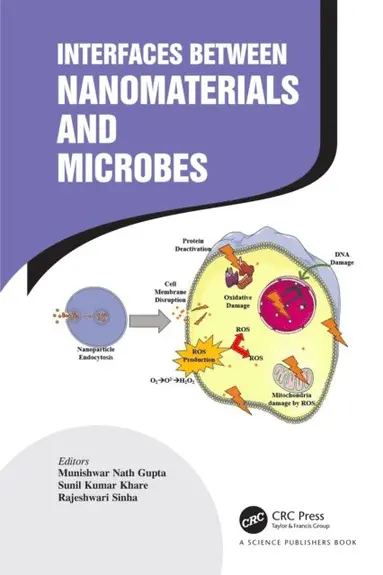
Interfaces Between Nanomaterials and Microbes
Munishwar Nath Gupta, Sunil Kumar Khare, Rajeshwari Sinha
Inbunden, 2021
2 783 kr
Interfaces Between Nanomaterials and Microbes
Munishwar Nath Gupta, Sunil Kumar Khare, Rajeshwari Sinha
Häftad, 2023
924 kr
- Nyhet
Interfaces Between Nanomaterials and Microbes
Rajeshwari Sinha, Sunil Kumar Khare, Munishwar Nath Gupta
E-bok
20211 074 kr
Interfaces Between Nanomaterials and Microbes
Rajeshwari Sinha, Sunil Kumar Khare, Munishwar Nath Gupta
E-bok
20211 074 kr
Hoppa över listan








Mer från samma serie
Enzymes Beyond Traditional Applications in Dairy Science and Technology
Y.S. Rajput, Rajan Sharma
Häftad, 2023
1 982 kr
Effect of High-Pressure Technologies on Enzymes
Bruno Ricardo de Castro Leite J�nior, Alline Artigiani Lima Tribst
Häftad, 2023
1 727 kr
Structure and Intrinsic Disorder in Enzymology
Munishwar Nath Gupta, Vladimir N. Uversky
Häftad, 2022
1 817 kr
Hoppa över listan
Du kanske också är intresserad av
- -15% på allt
Structure and Intrinsic Disorder in Enzymology
Vladimir N. Uversky, Munishwar Nath Gupta
E-bok
20222 604 kr
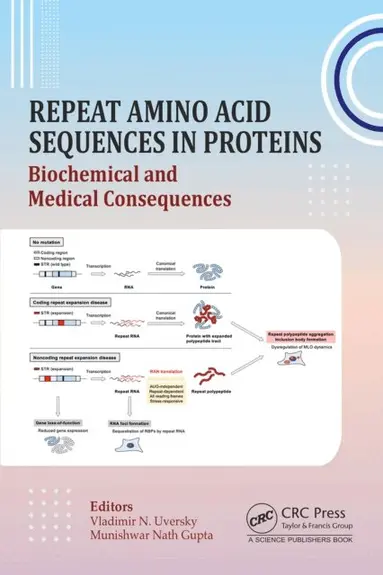
Repeat Amino Acid Sequences in Proteins
Vladimir N. Uversky, Munishwar Nath Gupta
Inbunden, 2025
2 163 kr
Structure and Intrinsic Disorder in Enzymology
Munishwar Nath Gupta, Vladimir N. Uversky
Häftad, 2022
1 817 kr
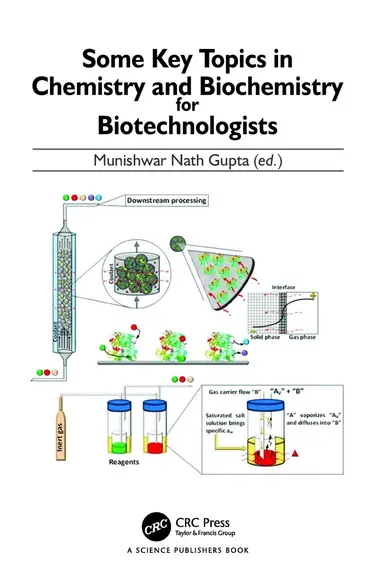
Some Key Topics in Chemistry and Biochemistry for Biotechnologists
Munishwar Nath Gupta
Häftad, 2025
878 kr
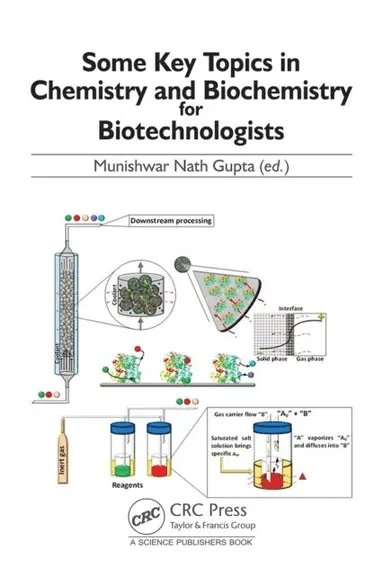
Some Key Topics in Chemistry and Biochemistry for Biotechnologists
Munishwar Nath Gupta
E-bok
20231 000 kr
- Nyhet
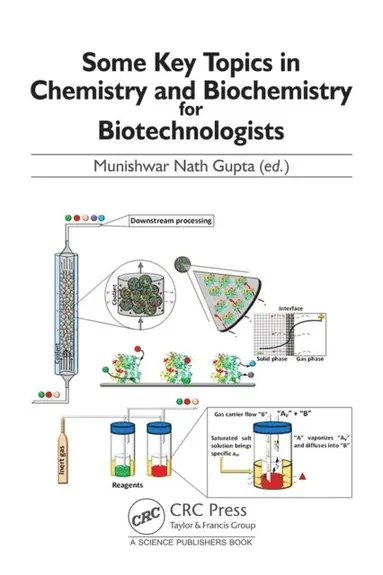
Some Key Topics in Chemistry and Biochemistry for Biotechnologists
Munishwar Nath Gupta
E-bok
20231 022 kr