
Dye-Sensitized Solar Cells
Adarsh Kumar Pandey, Muhammad Shakeel Ahmad, Syed Shahabuddin
Häftad, 2021
2 008 kr
AvAdarsh Kumar Pandey,Reji Kumar Rajamony
2 557 kr
Läs direkt i Bokus Reader – eller ladda ned till din enhet
Adarsh Kumar Pandey, Muhammad Shakeel Ahmad, Syed Shahabuddin
Häftad, 2021
2 008 kr
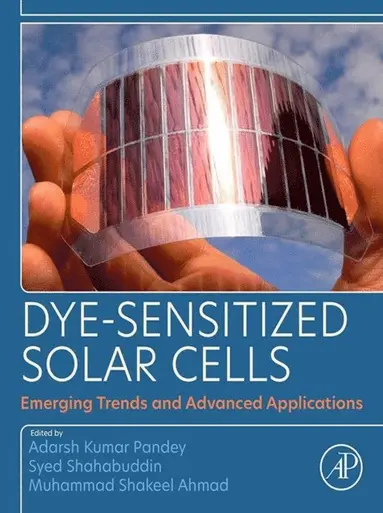
Syed Shahabuddin, Muhammad Shakeel Ahmad, Adarsh Kumar Pandey
2 822 kr
Adarsh Kumar Pandey, Kalidasan Balasubramanian
Häftad, 2026
2 020 kr
Kalidasan Balasubramanian, Adarsh Kumar Pandey
2 575 kr
Adarsh Kumar Pandey, Saidur Rahman, Kalidasan Balasubramanian
Häftad, 2026
1 643 kr

Syed Shahabuddin, Adarsh Kumar Pandey, Mohammad Khalid, Priyanka Jagadish
Inbunden, 2021
1 862 kr

Priyanka Jagadish, Mohammad Khalid, Adarsh Kumar Pandey, Syed Shahabuddin
2 420 kr

Syed Shahabuddin, Adarsh Kumar Pandey, Mohammad Khalid, Priyanka Jagadish
Häftad, 2022
1 862 kr


Ritunesh Kumar, Adarsh Kumar Pandey, Ravi Kumar Sharma, Gavendra Norkey
Häftad, 2021
2 190 kr


Kalidasan Balasubramanian, Reji Kumar Rajamony, Adarsh Kumar Pandey
Häftad, 2026
2 260 kr
Kalidasan Balasubramanian, Adarsh Kumar Pandey
2 575 kr
Adarsh Kumar Pandey, Saidur Rahman, Kalidasan Balasubramanian
Häftad, 2026
1 643 kr
Adarsh Kumar Pandey, Kalidasan Balasubramanian
Häftad, 2026
2 020 kr
Syed Shahabuddin, Adarsh Kumar Pandey, Mohammad Khalid, Priyanka Jagadish
Inbunden, 2021
1 862 kr

Syed Shahabuddin, Muhammad Shakeel Ahmad, Adarsh Kumar Pandey
2 822 kr
Syed Shahabuddin, Adarsh Kumar Pandey, Mohammad Khalid, Priyanka Jagadish
Häftad, 2022
1 862 kr
Ritunesh Kumar, Adarsh Kumar Pandey, Ravi Kumar Sharma, Gavendra Norkey
Häftad, 2021
2 190 kr