The Neuroscience of Spinal Cord Injury
AvRajkumar Rajendram,Victor R. Preedy
4 076 kr
Beställningsvara. Skickas inom 10-15 vardagar. Fri frakt över 249 kr.
Beskrivning
Produktinformation
- Utgivningsdatum:2022-01-21
- Mått:216 x 276 mm
- Vikt:3 561 g
- Format:Inbunden
- Språk:Engelska
- Antal sidor:1 200
- Förlag:Elsevier Science
- ISBN:9780323991988
Utforska kategorier
Mer om författaren
Dr Rajkumar Rajendram is a clinician-scientist with expertise in internal medicine, anaesthesia, intensive care and peri-operative medicine. He graduated with distinctions from Guy’s, King’s and St Thomas’ Medical School, King’s College London, in 2001, where he received several prizes, merits and distinctions in pre-clinical and clinical subjects.Dr Rajendram completed specialist training in acute and general medicine in Oxford and subsequently held a Consultant appointment in Acute General Medicine at the John Radcliffe Hospital, Oxford. He also trained in anaesthesia and intensive care in London, including advanced training in regional anaesthesia and intensive care, and subsequently held a Consultant appointment in Intensive Care, Anaesthesia and Peri-operative Medicine at the Royal Free London Hospitals.His postgraduate training has spanned internal medicine, anaesthesia, intensive care and point-of-care ultrasound (POCUS). He was awarded Fellowship of the Royal College of Anaesthetists in 2009, Fellowship of the Faculty of Intensive Care Medicine in 2013, and the European Diploma in Intensive Care Medicine in 2014. He is a Fellow of both the Royal College of Physicians of Edinburgh and the Royal College of Physicians of London.Dr Rajendram is currently a Consultant at King Abdulaziz Medical City, Ministry of National Guard Health Affairs, Riyadh, Saudi Arabia, and holds a joint appointment as Associate Professor in the Research Unit, Department of Medical Education, at King Saud bin Abdulaziz University for Health Sciences.His multidisciplinary clinical background has informed his research interests in nutrition, fluid management and fluid balance in health and disease, particularly in acutely and critically ill patients. His research has also addressed POCUS, COVID-19 phenotypes and nutritional support in illness. Dr Rajendram has contributed extensively to medical research and education and has authored more than 400 textbook chapters, review articles, peer-reviewed papers and conference abstracts. Victor R. Preedy, BSc, PhD, DSc, FRSB, FRSPH, FRCPath, FRSC, FRSM, is Professor of Clinical Biochemistry (Hon) at King’s College Hospital and Emeritus Professor of Nutritional Biochemistry at King’s College London. He also holds an Honorary Professorship at the University of Suffolk and served as the long‑term Director of the Genomics Centre at King’s College London from 2006 to 2020. Professor Preedy graduated with an Honours Degree in Biology and Physiology with Pharmacology and later obtained his PhD from the University of London. He subsequently received Membership of the Royal College of Pathologists and later earned his second doctorate (DSc) in recognition of his contributions to protein metabolism. He is a Fellow of the Royal Society of Medicine, the Royal Society of Biology, the Royal College of Pathologists, the Royal Society for the Promotion of Health, the Royal Institute of Public Health and Hygiene, the Royal Society for Public Health, and the Royal Society of Chemistry. Professor Preedy has conducted research while affiliated with Imperial College London, the School of Pharmacy (now part of University College London), and the MRC Centre at Northwick Park Hospital. He has collaborated widely with international research groups in Finland, Japan, Australia, the USA, and Germany. His longstanding academic interests include health and well‑being. He has published more than 750 works, including peer‑reviewed research articles, abstracts, symposium presentations, reviews, and edited books.Colin R. Martin RN, BSc, MSc, PhD, MBA, YCAP, FHEA, C.Psychol, AFBPsS, C.Sci is Professor of Clinical Psychobiology and Applied Psychoneuroimmunology and Clinical Director of the Institute of Health and Wellbeing at the University of Suffolk, UK. He is a Chartered Health Psychologist and a Chartered Scientist. He also trained in analytical biochemistry, this aspect reflecting the psychobiological focus of much of his research within mental health. He has published or has in press well over 300 research papers and book chapters. He is a keen book author and editor having written and/or edited more than 50 books. These outputs include the prophetic insight into the treatment of neurological disease, Handbook of Behavior, Food and Nutrition (2011), Nanomedicine and the Nervous System (2012), Oxidative Stress and Dietary Antioxidants in Neurological Disease (2020), Zika Virus Impact, Diagnosis, Control and Models (2021), Factors Affecting Neurodevelopment: Genetics, Neurology, Behavior and Diet (2021), Diagnosis and Treatment of Spinal Cord Injury (2022), The Neurobiology, Physiology, and Psychology of Pain (2022) and The Handbook of Lifespan Cognitive Behavioral Therapy: Childhood, Adolescence, Pregnancy, Adulthood, and Aging (2023). Professor Martin is particularly interested in all aspects of the relationship between underlying physiological substrates and behavior, particularly in how these relationships manifest in both acute and chronic psychiatric disorder. He has published original research germane to significant mental health disorders including the areas of schizophrenia, anxiety, depression, self-esteem, alcohol and drug dependency, high secure forensic mental health and personality disorder. He has a keen interest in the impact of postviral illness and is actively involved in clinical research post-Covid pandemic and in particular, the impact of Long Covid on psychological, neurological, physiological and social functioning. He is involved in collaborative International research with many European and Non-European countries.
Innehållsförteckning
- Diagnosis and Treatment of Spinal Cord Injury:I. Setting The Scene: Introductory Chapters1. Outcomes of traumatic spinal cord injury in low-resource setting2. Spine injuries associated with spinal cord injury3. Body, action and space representations in people affected by spinal cord injuries4. Methods for treating pain and painful syndromes in spinal cord injury: medications, therapies, interventions, and neuromodulationII. Clinical Features Of Spinal Injury 5. Factors Contributing To Pressure Injuries In Traumatic Spinal Cord Injury6. Venous thromboembolismin spinal cord injury 7. Osteoporosis-related fractures: what they are and how they occur following spinal cord injury8. Brain atrophy and white matter in compression injury to the spinal cord9. Spasticity in spinal cord injury10. Falls among individuals living with spinal cord injury11. Infections and spinal cord injury: Covid 19 and beyond12. Treating sleep problems in spinal cord injuryIII. Diagnosis and Evaluation13. Biomarkers in spinal cord injury14. Quality of life tools for spinal cord injured people15. S100 in spinal cord injury16. Balance measures and assessments in spinal cord injury: a narrativeIV. Treatments: Experimental and Clinical17. Surgical management of acute spinal cord injury in emergency departments18. Spinal cord epidural stimulation for autonomic nervous system control 19. Treating spinal cord injury with implanted spinal cord stimulators20. Bowel dysfunction in spinal cord injury 21. Management of lower urinary tract dysfunction 22. Bed and mattress for preventing pressure injuries after spinal cord injury23. Nerve and tendon transfers in tetraplegia: a new narrative 24. Gemini-supported spinal cord transplantation for the treatment of chronic spinal paralysis25. Chondroitinase ABC I as a novel candidate for reducing damage in spinal cord injury26. Phenol neurolysis for the management of spasticity in people with spinal cord injury27. Anti-repulsive guidance molecule-a antibody (RGMa) treatment in spinal cord injury28. Mitochondrial biogenesis for the treatment of spinal cord injury29. Exploring the exogenous and endogenous effects of melatonin on spinal cord injury30. High-intensity interval training in spinal cord injury31. Stem cells and chronic spinal cord injury: overview32. Gene therapy in spinal cord injury 33. Curcumin usage inflammation and spinal cord injury34. Use of (-)-epigallocatechin-3-gallate on spinal cord injury 35. Vitamin D supplementation for active individuals with spinal cord injury 36. Corticospinal tract regeneration after spinal cord injury: implications for treatment and recovery37. Trophic factors in patients with spinal cord injuryV. Rehabilitation in Spinal Injury38. Spinal cord injury: Multiple Family Group (MFG) education and support39. Spinal cord injury rehabilitation: linking service delivery and community integration40. Rehabilitation in spinal cord injury: Exercise and testing for cardiorespiratory endurance and musculoskeletal fitness41. Community based activity-based therapy for spinal cord injuries rehabilitation42. Rehabilitation and the Self-Management App: spinal cord injury43. Biomaterials and spinal cord injury and rehabilitation: a new narrative 44. Support in spinal cord injury: a focus on roboticsVI. Resources45. Research and ResourcesCellular, Molecular, Physiological, and Behavioral Aspects of Spinal Cord Injury:I. Setting The Scene and Introductory Chapters1. Causes of spinal injury: motor vehicle accidents and beyond 2. MRI findings in spinal cord injury during acute and chronic phases3. Exercise programs in spinal cord injury4. Use of anodal transcranial direct current stimulation: features, facets and applications to incomplete spinal cord injury5. Neuromodulation and restoration of motor responses after severe spinal cord injury 6. Rehabilitation and wheelchair users after spinal cord injury: an overview II. Cellular and Molecular Aspects of Spinal Injury7. Gene expression, bone loss and spinal cord injury8. Sperm DNA fragmentation and its relevance to men with spinal cord injury9. Cytokines and spinal cord injury10. Interleukin-10, vascular pathology in traumatic cervical Spinal cord injury11. Protein Degradome in Spinal Cord Injury12. Proteomics of Pressure Ulcers in Spinal cord injury13. Innate immune responses of glia and inflammatory cells in spinal cord injury14. The role of oxidative stress in spinal cord injury animal models: a focus on nuclear factor erythroid-2 related factor 215. Novel agent ONO-2506 suppresses astrocytic activation and attenuates post-spinal cord injury pain16. Histology, neural tissue loss and compression-induced spinal cord injury17. Remodeling mitochondrial transport and cellular energetics in axonal regeneration and spinal cord injury18. Neurotrophins and their Role in Axonal Outgrowth Following Spinal Cord Injury19. The neuroscience of transient receptor potential vanilloid type 4 (TRPV4) and spinal cord injury20. Autoantibodies in spinal cord injury21. Calpain role in the pathophysiology of spasticity after spinal cord injury22. Targeting mTOR Signaling to Promote Autophagy for Functional Recovery after Spinal Cord Injury23. Tertiary damage: Hippocampal and brain changes after spinal cord injuryIII. Physiological and Metabolic Effects24. Hormonal events and spinal cord injury: a focus on vasopressin and natriuretic peptide25. Linking sensorimotor plasticity, the motor cortex and spinal cord injury26. Bone mass and spinal cord injury: risk of fracture27. Functional and morphological re-organization of the brain following spinal cord injury : Insights from MRI28. Cardiometabolic changes and upper extremity exercise as an augmentative strategy in spinal cord injury29. Electrophysiological outcome measures in spinal cord injury: a new narrative 30. Features and Physiology of Spinal Stretch Reflex Pathways in People with Chronic Spinal Cord Injury31. Metabolic syndrome iin spinal cord injury: impact on health32. Body composition and spinal cord injury33. Energy requirements and spinal cord injury34. Virtual walking and spinal cord injury neuropathic pain35. Cervical spinal cord injury and thermoregulatory processes: a new narrative36. Spinal cord injury and the gut microbiotaIV. Behavioural and Psychological Effects37. Risk factors and predictors of depression after spinal cord injury: emphasis on the inflammatory process38. Spirituality, hope, and resilience in the recovery and adaptation process following spinal cord injury39. Wellness intervention for spinal cord injuries40. Sexual satisfaction and spinal cord injury41. Depressive symptoms in rehabilitation, spinal cord injury42. Self-Harm behaviors in Patients with Spinal Cord Injuries: From Nonadherence to Suicide
Mer från samma författare
Metabolism and Pathophysiology of Bariatric Surgery
Victor R. Preedy, Rajkumar Rajendram, Colin R. Martin
Häftad, 2016
1 648 kr
Metabolism and Pathophysiology of Bariatric Surgery
Colin R. Martin, Rajkumar Rajendram, Victor R. Preedy
1 742 kr
The Neuroscience of Depression
Colin R. Martin, Lan-Anh Hunter, Vinood B. Patel, Victor R. Preedy, Rajkumar Rajendram
Häftad, 2021
1 473 kr
Neuroscience of Depression
Rajkumar Rajendram, Victor R. Preedy, Vinood B. Patel, Lan-Anh Hunter, Colin R. Martin
2 109 kr
Neuroscience of Depression
Rajkumar Rajendram, Victor R. Preedy, Vinood B. Patel, Lan-Anh Hunter, Colin R. Martin
2 094 kr
Factors Affecting Neurodevelopment
Colin R. Martin, Victor R. Preedy, Rajkumar Rajendram
Inbunden, 2021
2 505 kr
Factors Affecting Neurodevelopment
Rajkumar Rajendram, Victor R. Preedy, Colin R. Martin
3 575 kr
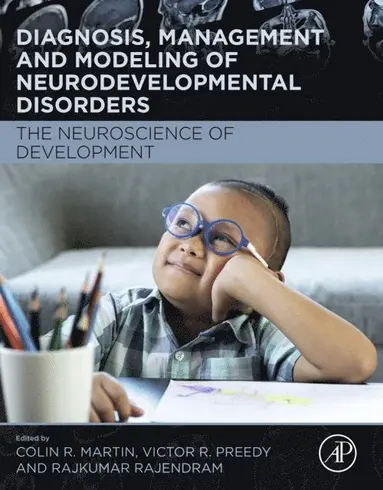
Diagnosis, Management and Modeling of Neurodevelopmental Disorders
Rajkumar Rajendram, Victor R. Preedy, Colin R. Martin
3 575 kr
Du kanske också är intresserad av
- -15% på allt
Achtes Buch: Vom Weltfrieden Bis Zur Französischen Revolution 1830
Karl Goedeke, Carl Diesch
Inbunden, 2012
4 076 kr
Das Reichs-Strafgesetzbuch Mit Besonderer Berücksichtigung Der Rechtsprechung Des Reichsgerichts
De Gruyter
Inbunden, 1921
4 076 kr
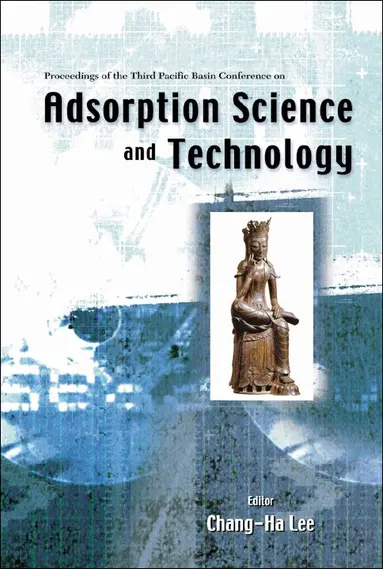
ADSORPTION SCIENCE AND TECHNOLOGY, PROCEEDINGS OF THE THIRD PACIFIC BASIN CONFERENCE
LEE CHANG-HA, Chang-Ha Lee
Inbunden, 2003
4 076 kr
The Effect of Temperature and other Factors on Plastics and Elastomers
Laurence W. McKeen
Inbunden, 2023
4 076 kr