
The Neuroscience of Zika Virus
AvColin R. Martin,Caroline Hollins-Martin
Inbunden, Engelska, 2025
4 338 kr
Beställningsvara. Skickas inom 10-15 vardagar. Fri frakt över 249 kr.
Beskrivning
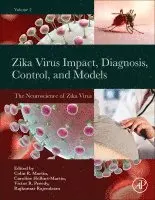
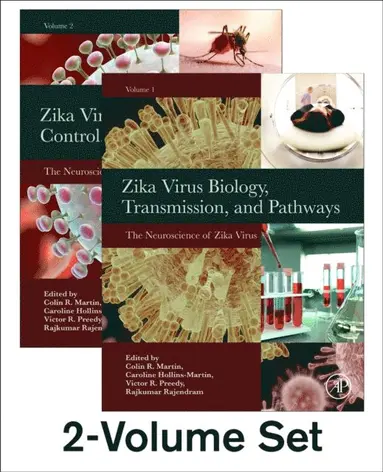
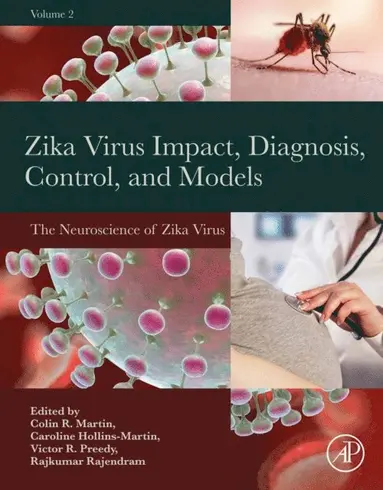
Zika Virus Biology, Transmission, and Pathology: The Neuroscience of Zika provides a detailed introduction to the molecular biology of the Zika virus and its features, transmission, and impact on neurological systems. Designed to better readers’ understanding of the Zika virus, this volume features chapters on the immune response, molecular mechanisms, and other areas to better understand underlying pathways. This book has applicability for neuroscientists, neurologists, virologists and anyone working to better understand the evolution and pathogenesis of Zika virus-related conditions. Zika Virus Impact, Diagnosis, Control, and Models: The Neuroscience of Zika examines diagnosis, vaccines, and potential therapy methods for Zika virus syndrome. The book also details the neuroscience of Guillain-Barré syndrome, its effects and neuromuscular rehabilitation. It is designed to help readers better understand detection, therapies for Zika virus, preventative vaccines, diagnosis and associated microcephaly. Chapters on models enable further research and understanding. This book has applicability for neuroscientists, neurologists, virologists and anyone working to better understand the evolution and pathogenesis of Zika virus-related conditions.
Produktinformation
- Utgivningsdatum:2025-04-29
- Mått:216 x 276 x 30 mm
- Vikt:3 300 g
- Format:Inbunden
- Språk:Engelska
- Antal sidor:650
- Förlag:Elsevier Science
- ISBN:9780323858649
Utforska kategorier
Mer om författaren
Colin R. Martin RN, BSc, MSc, PhD, MBA, YCAP, FHEA, C.Psychol, AFBPsS, C.Sci is Professor of Clinical Psychobiology and Applied Psychoneuroimmunology and Clinical Director of the Institute of Health and Wellbeing at the University of Suffolk, UK. He is a Chartered Health Psychologist and a Chartered Scientist. He also trained in analytical biochemistry, this aspect reflecting the psychobiological focus of much of his research within mental health. He has published or has in press well over 300 research papers and book chapters. He is a keen book author and editor having written and/or edited more than 50 books. These outputs include the prophetic insight into the treatment of neurological disease, Handbook of Behavior, Food and Nutrition (2011), Nanomedicine and the Nervous System (2012), Oxidative Stress and Dietary Antioxidants in Neurological Disease (2020), Zika Virus Impact, Diagnosis, Control and Models (2021), Factors Affecting Neurodevelopment: Genetics, Neurology, Behavior and Diet (2021), Diagnosis and Treatment of Spinal Cord Injury (2022), The Neurobiology, Physiology, and Psychology of Pain (2022) and The Handbook of Lifespan Cognitive Behavioral Therapy: Childhood, Adolescence, Pregnancy, Adulthood, and Aging (2023). Professor Martin is particularly interested in all aspects of the relationship between underlying physiological substrates and behavior, particularly in how these relationships manifest in both acute and chronic psychiatric disorder. He has published original research germane to significant mental health disorders including the areas of schizophrenia, anxiety, depression, self-esteem, alcohol and drug dependency, high secure forensic mental health and personality disorder. He has a keen interest in the impact of postviral illness and is actively involved in clinical research post-Covid pandemic and in particular, the impact of Long Covid on psychological, neurological, physiological and social functioning. He is involved in collaborative International research with many European and Non-European countries. Dr. Hollins-Martin is a Professor of Maternal Health and has a background that has encompassed a career in women’s reproductive health that spans 30 years; the first 11 of these were spent as a clinical midwife in Ayrshire (Scotland) and 19 teaching and researching women’s reproductive health within universities. Caroline is an NMC Registered Midwife and Lecturer/Practice Educator. She is also a graduate and post graduate in psychology and a Member of the British Psychological Society (MBPsS). Dr Rajkumar Rajendram is a clinician-scientist with expertise in internal medicine, anaesthesia, intensive care and peri-operative medicine. He graduated with distinctions from Guy’s, King’s and St Thomas’ Medical School, King’s College London, in 2001, where he received several prizes, merits and distinctions in pre-clinical and clinical subjects.Dr Rajendram completed specialist training in acute and general medicine in Oxford and subsequently held a Consultant appointment in Acute General Medicine at the John Radcliffe Hospital, Oxford. He also trained in anaesthesia and intensive care in London, including advanced training in regional anaesthesia and intensive care, and subsequently held a Consultant appointment in Intensive Care, Anaesthesia and Peri-operative Medicine at the Royal Free London Hospitals.His postgraduate training has spanned internal medicine, anaesthesia, intensive care and point-of-care ultrasound (POCUS). He was awarded Fellowship of the Royal College of Anaesthetists in 2009, Fellowship of the Faculty of Intensive Care Medicine in 2013, and the European Diploma in Intensive Care Medicine in 2014. He is a Fellow of both the Royal College of Physicians of Edinburgh and the Royal College of Physicians of London.Dr Rajendram is currently a Consultant at King Abdulaziz Medical City, Ministry of National Guard Health Affairs, Riyadh, Saudi Arabia, and holds a joint appointment as Associate Professor in the Research Unit, Department of Medical Education, at King Saud bin Abdulaziz University for Health Sciences.His multidisciplinary clinical background has informed his research interests in nutrition, fluid management and fluid balance in health and disease, particularly in acutely and critically ill patients. His research has also addressed POCUS, COVID-19 phenotypes and nutritional support in illness. Dr Rajendram has contributed extensively to medical research and education and has authored more than 400 textbook chapters, review articles, peer-reviewed papers and conference abstracts. Victor R. Preedy, BSc, PhD, DSc, FRSB, FRSPH, FRCPath, FRSC, FRSM, is Professor of Clinical Biochemistry (Hon) at King’s College Hospital and Emeritus Professor of Nutritional Biochemistry at King’s College London. He also holds an Honorary Professorship at the University of Suffolk and served as the long‑term Director of the Genomics Centre at King’s College London from 2006 to 2020. Professor Preedy graduated with an Honours Degree in Biology and Physiology with Pharmacology and later obtained his PhD from the University of London. He subsequently received Membership of the Royal College of Pathologists and later earned his second doctorate (DSc) in recognition of his contributions to protein metabolism. He is a Fellow of the Royal Society of Medicine, the Royal Society of Biology, the Royal College of Pathologists, the Royal Society for the Promotion of Health, the Royal Institute of Public Health and Hygiene, the Royal Society for Public Health, and the Royal Society of Chemistry. Professor Preedy has conducted research while affiliated with Imperial College London, the School of Pharmacy (now part of University College London), and the MRC Centre at Northwick Park Hospital. He has collaborated widely with international research groups in Finland, Japan, Australia, the USA, and Germany. His longstanding academic interests include health and well‑being. He has published more than 750 works, including peer‑reviewed research articles, abstracts, symposium presentations, reviews, and edited books.
Innehållsförteckning
- Zika Virus Biology, Transmission, and Pathology:Section 1 – Zika Virus: Introductory Chapters1. Flaviviruses and where the Zika virus fits in: An overviewProf. L.A. Diaz, Laboratorio de Arbovirus, Instituto de Virologia Dr. J. M. Vanella, Universidad Nacional de Cordoba, Cordoba, Argentina2. The Zika virus: A brief overviewProf. A.R. Plourde, University of California San Francisco, Departments of Pathology and Laboratory Medicine, San Francisco, CA, United States3. The public health perspective of Zika virus-infectionProf. S.R. Shrivastava, Department of Community Medicine, Shri Sathya Sai Medical College and Research Institute, Tamil Nadu, India4. Zika virus as a potential pandemicProf. C.J. Carlson, Department of Environmental Science, Policy, and Management, University of California, Berkeley, CA, USA5. Zika virus, symptomatic and asymptomatic travellersProf. R. Huits, Institute for Tropical Medicine, Antwerpen, Belgium6. Microcephaly: features, and impactProf. A. Steele, Data Resources Program, Bureau of Maternal Child Health, Division of Family Health and Preparedness, Utah Department of Health, Salt Lake City, UT, USA7. Microcephaly and Zika virus: a short and focused overviewProf. S. Jayakumari, School of Pharmaceutical Sciences, Vels University, Vels Institute of Science, Technology and Advanced Studies [VISTAS], Pallavaram, Chennai, Tamilnadu, India8. Guillain-Barré Syndrome and Zika viral infectionsProf. A.P.Y. Chiu, Department of Applied Mathematics, Hong Kong Polytechnic University, Hong Kong, Hong Kong9. Non neurological effects of Zika virus infectionProf. F.G. Naveca, Programa de Pos-Graduacao em Imunologia Basica e Aplicada, Universidade Federal Do Amazonas, Manaus Amazonas, Brazil10. Guillain-Barré syndromeProf. C.A. Gold, University of California, Department of Neurology, San Francisco, CA, USA11. Quality of life in mothers of children with microcephalyProf. P.R.S. Martins-Filho, Universidade Federal de Sergipe, Hospital Universitario, Laboratorio de Patologia Investigativa, Aracaju, BrazilSection 2 – Impact on Neurological Systems 12. Zika virus, immunobiology and autoimmune neurological syndromes in CalcuttaProf. J.-M. Anaya, Center for Autoimmune Diseases Research (CREA), School of Medicine and Health Sciences, Universidad del Rosario, Bogota, Colombia13. Impact on Zika virus on paralysis and neuro-inflammation: Jamacian aspectsProf. R. Melbourne-Chambers, Department of Child and Adolescent Health, Faculty ofMedical Sciences, The University of theWest Indies, Jamaica14. Linking Guillain-Barré and Zika virus infectionProf. A. Ganguly, Department of Clinical Pharmacy and Pharmacology, Faculty of Pharmacy, University of Dhaka, Dhaka, Bangladesh15. Puerto Rico aspects: Linking Zika virus infection and Guillain-Barré syndromeProf. E. Dirlikov, Division of Scientific Education and Professional Development, Centers for Disease Control and Prevention, San Juan, Puerto Rico16. Zika virus infection and cytokinesProf. H.I. Nakaya, Department of Pathophysiology and Toxicology, School of Pharmaceutical Sciences, University of Sao Paulo, Sao Paulo, Brazil17. Linking microRNAs, Wnt signaling pathway and Zika virusProf. A.J. Hirsch, Vaccine and Gene Therapy Institute, Oregon Health and Science University, Beaverton, OR, USA18. Neuronal conduction in Guillain-Barre syndromeProf. A. Uncini, Department of Neuroscience, Imaging and Clinical Sciences, University ’G. d’Annunzio’, Chieti-Pescara, Italy19. Features of Guillain-Barré syndrome with or without Zika virusProf. A. Uncini, Department of Neuroscience, Imaging and Clinical Sciences, University ’G. d’Annunzio’, Chieti-Pescara, Italy20. Auditory brainstem in Zika virus infectionProf. V.V. Lazarev, Laboratory of Neurobiology and Clinical Neurophysiology, National Institute of Women, Children and Adolescents, Health Fernandes Figueira, Oswaldo Cruz Foundation (FIOCRUZ), Ministry of Health, Rio de Janeiro, Brazil21. Neurology without microcephaly in Zika virusProf. H.C. Ferreira, Department of Physical Therapy, School of Medicine, Universidade Federal Do Rio de Janeiro (UFRJ), Program in Perinatal Health Care, Maternidade Escola, Universidade Federal Do Rio de Janeiro (UFRJ), Rio de Janeiro, Brazil22. Neurologic manifestations, Zika virus and the adult brainProf. O.J.M. Do Nascimento, Neurology Department, Universidade Federal Fluminense, Rua Siqueira Campos, Copacabana, Rio de Janeiro, Brazil23. Infantile Spasms in offspring due to maternal Zika virusProf. J.G.B. Alves, Department of Paediatrics Neurology, Instituto de Medicina Integral Prof. Fernando Figueira (IMIP), Rua dos Coelhos, Brazil24. Encephalomyelitis and Zika virus infectionProf. W. Roth, Department of Neurology, Columbia University Medical Center, NY, USA25. Cerebrospinal fluid in microcephaly of Zika virusProf. C.L. Ramos, Bahiana School of Medicine, Bahiana Foundation for Science Development, Avenida Santa Luzia, Horto Florestal, Salvador, Bahia, Brazil26. The developing neocortex in Zika virus infectionProf. A.D. Baffet, Institut Curie, PSL Research University, Paris, France27. Glial cell development and Zika virusProf. Z. Xu, State Key Laboratory of Molecular Developmental Biology, CAS Center for Excellence in Brain Science and Intelligence Technology, Institute of Genetics and Developmental Biology, Chinese Academy of Sciences, Beijing, China28. Myelination, microcephaly and Zika virusProf. M. De Fatima Vasco Aragao, Centro Diagnostico Multimagem, Pernambuco, Brazil29. Neuronal apoptosis in congenital Zika virus infectionProf. C.-Y. Ho, Department of Pathology, University of Maryland School of Medicine, Baltimore, MD, USA30. Zika virus and fetal imagingProf. C. Gutierrez-Marquez, Department of Radiology, Cedimed, Universidad Pontificia Bolivariana, Medellin, Colombia31. PET Imaging and neuroinflammation in Zika Virus-InfectionProf. T.M. Bocan, Molecular and Translational Sciences Division, U.S. Army Medical Research Institute of Infectious Diseases, Frederick, MD, USA32. Neonatal brain magnetic resonance and normocephalics in Zika virus infectionProf. S.B. Mulkey, Children’s National Health System, Division of Fetal and Transitional Medicine, Washington, DC, USA33. Zika virus and adult human brain structureProf. R. Bido-Medina, Beckman Institute for Advanced Science and Technology, University of Illinois at Urbana-Champaign, Urbana, IL, USASection 3 – Features of the Virus and Transmission34. Zika virus and codon usage biasProf. J. Cristina, Laboratorio de Virologia Molecular, Centro de Investigaciones Nucleares, Facultad de Ciencias, Universidad de la Republica, Montevideo, Uruguay35. Comparing Zika virus transmission with other viruses: Chikungunya virusProf. J. Riou, Sorbonne Universites, UPMC Univ Paris 06, INSERM, Institut Pierre Louis d’Epidemiologie et de Sante Publique (IPLESP UMRS 1136), Paris, France36. Vectors of Zika virus transmission: Asian Tiger Mosquito (Aedes albopictusProf. F. Shabani, School of Environmental and Rural Science, University of New England, Armidale, NSW, Australia37. Linking Zika virus, dengue virus and modes of transmissionProf. P.F.P. Pimenta, Instituto Rene Rachou, Belo Horizonte, Minas Gerais CEP, Brazil38. Breast milk and mother-to-child transmissionProf. A.E. Paniz-Mondolfi, Department of Infectious Diseases and Tropical Medicine, Instituto Diagnostico Barquisimeto, IDB Biomedical Research Institute, con Av. La Montanita, Las Mercedes, Cabudare, Venezuela39. Zika virus due to sexual transmissionProf. A. Bartoloni, Clinica Malattie Infettive, Dipartimento di Medicina Sperimentale e Clinica, Universita degli Studi di Firenze, Florence, ItalyZika Virus Impact, Diagnosis, Control, and Models:Section 1 – Methods, Biomarkers, and Diagnosis1. Imaging Zika virus infectionProf. S.M. Horner, Department of Molecular Genetics & Microbiology, Duke University Medical Center, Durham, NC, USA2. Use of CRISPR: applications to flavivirusesProf. J.E. Carette, Department of Microbiology and Immunology, Stanford University, Stanford, CA, USA3. Methods of investigating neurotoxicity of larvicides: applications of systems biologyProf. P. Grandjean, Department of Environmental Health, Harvard T.H. Chan School of Public Health, Boston, MA, USA4. Methods for the detection of Zika virus infectivityProf. A. Marcello, Molecular Virology Laboratory, International Centre for Genetic Engineering and Biotechnology (ICGEB), Trieste, ItalySection 2 – Vector Control, Vaccines, Pharmacology 5. Vector control and Zika virus: a focus on mosquitoesProf. R. Barrera, Entomology and Ecology Team, Dengue Branch, Centers for Disease Control and Prevention, San Juan, Puerto Rico6. Vector control: a focus on rural household containers: applications to Zika virusProf. H.J. Overgaard, Faculty of Science and Technology, Norwegian University of Life Sciences, As, Norway7. Zika virus Vaccines: an overviewProf. X. Xie, Department of Biochemistry & Molecular Biology, University of Texas Medical Branch, Galveston, TX, USA8. Novel treatment with 2,8-bis(trifluoromethyl)quinoline analogs in Zika infection in vitroProf. M.V.N. de Souza, Instituto de Tecnologia em Farmacos - Far-Manguinhos, Fiocruz - Fundacao Oswaldo Cruz, Rio de Janeiro, Brazil9. Zika virus use of human neutralizing antibody in microcephaly prevention: a modelling systemProf. Z. Xu, Parkinson’s Disease Center, Beijing Institute for Brain Disorders, Beijing, China10. Policies on Zika virus ControlProf. A.P. Galvani, Center for Infectious Disease Modeling and Analysis, Yale School of Public Health, Yale University, New Haven, CT, USASection 3 – Novel and Non-Pharmacologic Therapies11. Role of the pediatric neurologist in treating Zika virus syndromeProf. D.I. Zafeiriou, 1st Department of Pediatrics, Aristotle University, Thessaloniki, Greece12. 25-Hydroxycholesterol usage in Zika Virus InfectionProf. B.G. Novitch, Department of Neurobiology and Eli & Edythe Broad Center of Regenerative Medicine and Stem Cell Research, University of California, Los Angeles, CA, USA13. Screening and inhibition of the flavivirus NS2B-NS3 protease: application to zika virusProf. H. Li, Wadsworth Center, New York State Department of Health, 120 New Scotland Ave, Albany, NY, USA14. Gene silencing and applications to zika virusProf. M.A. Hashem, Department of Biochemistry and Biotechnology, University of Science and Technology Chittagong (USTC), Bangladesh15. Screening phytochemicals that react against Zika virusProf. W.N. Setzer, Department of Chemistry, University of Alabama in Huntsville, Huntsville, AL, USASection 4 – Models and Modelling16. Guinea pig model of Zika virus: features and applicationsProf. M. Kumar, Department of Tropical Medicine, Medical Microbiology and Pharmacology, Pacific Center for Emerging Infectious Diseases Research, John A. Burns School of Medicine, University of Hawaii at Manoa, Honolulu, HI, USA17. Rat model of Zika virus: features and applicationsProf. P. Despres, Processus Infectieux en Milieu Insulaire Tropical (PIMIT), Universite de La Reunion, Platform CYROI, Sainte-Clotilde, La Reunion, France18. Mouse model of Zika virus: features and applicationsProf. M.S. Diamond, Department of Medicine, Washington University, School of Medicine, St. Louis, MO, USA19. Modelling Zika virus in the USAProf. S. Merler, Fondazione Bruno Kessler, Trento, Italy20. Modelling Zika virus infection in laboratory animals: impact on neurological systemsProf. J.R. Clarke, School of Pharmacy, Federal University of Rio de Janeiro, Rio de Janeiro, BrazilSection 5 – Neuroscience of Guillain-Barré Syndrome21. Severe Guillain-Barré SyndromeProf. S. Kesici, Pediatric Intensive Care Unit, Dr. Sami Ulus Education and Research Hospital, Ankara, Turkey22. Plasmablasts, plasma and neurotoxic antibodies in Guillain-Barré syndromeProf. R. Huizinga, Department of Immunology, Erasmus MC, University Medical Center, Rotterdam, Netherlands23. Oxidative stress in Guillain-Barré Syndrome and linkage with neurologyProf. S. Gumusyayla, Faculty of Medicine, Departmant of Neurology, Ankara Yildirim Beyazit University, Ankara, Turkey24. Neuromuscular effects and rehabilitation in Guillain-Barré syndromeProf. T. Harbo, Department of Neurology, Aarhus University Hospital, Aarhus, Denmark25. Post-infectious demyelinating diseases: Guillain-Barré syndrome and beyondProf. T. Foiadelli, Fondazione IRCCS Policlinico "San Matteo", Clinica Pediatrica, V.le Camillo Golgi, Pavia, ItalySection 6 – Neuroscience of Microcephaly26. Microcephaly and developmental delaysProf. S.H. Yoon, Department of Neurosurgery, Ajou University School of Medicine, Suwon, South Korea27. Congenital microcephaly: features and risk factorsProf. S.M. Kerr, Slone Epidemiology Center at Boston University, Boston, MA, USA28. Microcephaly in fetal alcohol syndromeProf. G.G. Hicks, Regenerative Medicine Program and the Department of Biochemistry & Medical Genetics, Max Rady College of Medicine, Rady Faculty of Health Sciences, University of Manitoba, Winnipeg, MB, Canada29. Microcephaly in genetic disorders: the case of MFSD2A and hypomyelinationProf. T. Harel, Department of Genetic and Metabolic Diseases, Hadassah-Hebrew University Medical Center, Jerusalem, Israel30. Folate metabolism, 5,10-methenyltetrahydrofolate synthetase and microcephalyProf. L.H. Rodan, Boston Children’s Hospital, Boston, MA, USASection 7 – International Aspects31. Zika Virus in HondurasProf. A. Rosales, World Vision, Department of Health, District of Columbia, WA, USA32. Zika Virus in UgandaProf. B. Arif, Scientist Emeritus, Laboratory for Molecular Virology, Canada33. Zika Virus in JamaicaProf. R. Melbourne-Chambers, Department of Child and Adolescent Health, Faculty of Medical Sciences, The University of theWest Indies, Jamaica34. Zika virus in MozambiqueProf. E.S. Gudo, Virus Isolation Laboratory, National Institute of Health, Ministry of Health, Maputo, Mozambique35. Zika virus in BrazilProf. S.S. Sanabani, Department of Pathology, Hospital das Clinicas, School of Medicine University of Sao Paulo, Sao Paulo, BrazilSection 8 – Case Reports36. Case reports: Zika and Chikungunya virus infectionProf. S. Kutsuna, Disease Control and Prevention Center, National Center for Global Health and Medicine, Shinjuku-ku, Tokyo, Japan37. Case reports: Zika virus neuroretinitisProf. A. Panday, Department of Medicine, Eric Williams Medical Sciences Complex, Mt. Hope, Trinidad, WI, Trinidad and Tobago38. Case reports: Zika virus infection in SingaporeProf. B.Y. Xu, Sengkang Health, SingHealth, Alexandra Hospital, Department of Family Medicine, Singapore, Singapore39. Case reports: Coinfection with Zika virus and dengue-2 virusesProf. N.M. Iovine, Department of Medicine, Division of Infectious Diseases, College of Medicine, FL, USA40. Case report: Guillain-Barré and Zika virus infectionProf. P.F. Walker, HealthPartners Center for International Health, MN, USAZika Virus Biology, Transmission, and Pathology:Section 1 – Zika Virus: Introductory Chapters1. Flaviviruses and where the Zika virus fits in: An overviewProf. L.A. Diaz, Laboratorio de Arbovirus, Instituto de Virologia Dr. J. M. Vanella, Universidad Nacional de Cordoba, Cordoba, Argentina2. The Zika virus: A brief overviewProf. A.R. Plourde, University of California San Francisco, Departments of Pathology and Laboratory Medicine, San Francisco, CA, United States3. The public health perspective of Zika virus-infectionProf. S.R. Shrivastava, Department of Community Medicine, Shri Sathya Sai Medical College and Research Institute, Tamil Nadu, India4. Zika virus as a potential pandemicProf. C.J. Carlson, Department of Environmental Science, Policy, and Management, University of California, Berkeley, CA, USA5. Zika virus, symptomatic and asymptomatic travellersProf. R. Huits, Institute for Tropical Medicine, Antwerpen, Belgium6. Microcephaly: features, and impactProf. A. Steele, Data Resources Program, Bureau of Maternal Child Health, Division of Family Health and Preparedness, Utah Department of Health, Salt Lake City, UT, USA7. Microcephaly and Zika virus: a short and focused overviewProf. S. Jayakumari, School of Pharmaceutical Sciences, Vels University, Vels Institute of Science, Technology and Advanced Studies [VISTAS], Pallavaram, Chennai, Tamilnadu, India8. Guillain-Barré Syndrome and Zika viral infectionsProf. A.P.Y. Chiu, Department of Applied Mathematics, Hong Kong Polytechnic University, Hong Kong, Hong Kong9. Non neurological effects of Zika virus infectionProf. F.G. Naveca, Programa de Pos-Graduacao em Imunologia Basica e Aplicada, Universidade Federal Do Amazonas, Manaus Amazonas, Brazil10. Guillain-Barré syndromeProf. C.A. Gold, University of California, Department of Neurology, San Francisco, CA, USA11. Quality of life in mothers of children with microcephalyProf. P.R.S. Martins-Filho, Universidade Federal de Sergipe, Hospital Universitario, Laboratorio de Patologia Investigativa, Aracaju, BrazilSection 2 – Impact on Neurological Systems 12. Zika virus, immunobiology and autoimmune neurological syndromes in CalcuttaProf. J.-M. Anaya, Center for Autoimmune Diseases Research (CREA), School of Medicine and Health Sciences, Universidad del Rosario, Bogota, Colombia13. Impact on Zika virus on paralysis and neuro-inflammation: Jamacian aspectsProf. R. Melbourne-Chambers, Department of Child and Adolescent Health, Faculty ofMedical Sciences, The University of theWest Indies, Jamaica14. Linking Guillain-Barré and Zika virus infectionProf. A. Ganguly, Department of Clinical Pharmacy and Pharmacology, Faculty of Pharmacy, University of Dhaka, Dhaka, Bangladesh15. Puerto Rico aspects: Linking Zika virus infection and Guillain-Barré syndromeProf. E. Dirlikov, Division of Scientific Education and Professional Development, Centers for Disease Control and Prevention, San Juan, Puerto Rico16. Zika virus infection and cytokinesProf. H.I. Nakaya, Department of Pathophysiology and Toxicology, School of Pharmaceutical Sciences, University of Sao Paulo, Sao Paulo, Brazil17. Linking microRNAs, Wnt signaling pathway and Zika virusProf. A.J. Hirsch, Vaccine and Gene Therapy Institute, Oregon Health and Science University, Beaverton, OR, USA18. Neuronal conduction in Guillain-Barre syndromeProf. A. Uncini, Department of Neuroscience, Imaging and Clinical Sciences, University ’G. d’Annunzio’, Chieti-Pescara, Italy19. Features of Guillain-Barré syndrome with or without Zika virusProf. A. Uncini, Department of Neuroscience, Imaging and Clinical Sciences, University ’G. d’Annunzio’, Chieti-Pescara, Italy20. Auditory brainstem in Zika virus infectionProf. V.V. Lazarev, Laboratory of Neurobiology and Clinical Neurophysiology, National Institute of Women, Children and Adolescents, Health Fernandes Figueira, Oswaldo Cruz Foundation (FIOCRUZ), Ministry of Health, Rio de Janeiro, Brazil21. Neurology without microcephaly in Zika virusProf. H.C. Ferreira, Department of Physical Therapy, School of Medicine, Universidade Federal Do Rio de Janeiro (UFRJ), Program in Perinatal Health Care, Maternidade Escola, Universidade Federal Do Rio de Janeiro (UFRJ), Rio de Janeiro, Brazil22. Neurologic manifestations, Zika virus and the adult brainProf. O.J.M. Do Nascimento, Neurology Department, Universidade Federal Fluminense, Rua Siqueira Campos, Copacabana, Rio de Janeiro, Brazil23. Infantile Spasms in offspring due to maternal Zika virusProf. J.G.B. Alves, Department of Paediatrics Neurology, Instituto de Medicina Integral Prof. Fernando Figueira (IMIP), Rua dos Coelhos, Brazil24. Encephalomyelitis and Zika virus infectionProf. W. Roth, Department of Neurology, Columbia University Medical Center, NY, USA25. Cerebrospinal fluid in microcephaly of Zika virusProf. C.L. Ramos, Bahiana School of Medicine, Bahiana Foundation for Science Development, Avenida Santa Luzia, Horto Florestal, Salvador, Bahia, Brazil26. The developing neocortex in Zika virus infectionProf. A.D. Baffet, Institut Curie, PSL Research University, Paris, France27. Glial cell development and Zika virusProf. Z. Xu, State Key Laboratory of Molecular Developmental Biology, CAS Center for Excellence in Brain Science and Intelligence Technology, Institute of Genetics and Developmental Biology, Chinese Academy of Sciences, Beijing, China28. Myelination, microcephaly and Zika virusProf. M. De Fatima Vasco Aragao, Centro Diagnostico Multimagem, Pernambuco, Brazil29. Neuronal apoptosis in congenital Zika virus infectionProf. C.-Y. Ho, Department of Pathology, University of Maryland School of Medicine, Baltimore, MD, USA30. Zika virus and fetal imagingProf. C. Gutierrez-Marquez, Department of Radiology, Cedimed, Universidad Pontificia Bolivariana, Medellin, Colombia31. PET Imaging and neuroinflammation in Zika Virus-InfectionProf. T.M. Bocan, Molecular and Translational Sciences Division, U.S. Army Medical Research Institute of Infectious Diseases, Frederick, MD, USA32. Neonatal brain magnetic resonance and normocephalics in Zika virus infectionProf. S.B. Mulkey, Children’s National Health System, Division of Fetal and Transitional Medicine, Washington, DC, USA33. Zika virus and adult human brain structureProf. R. Bido-Medina, Beckman Institute for Advanced Science and Technology, University of Illinois at Urbana-Champaign, Urbana, IL, USASection 3 – Features of the Virus and Transmission34. Zika virus and codon usage biasProf. J. Cristina, Laboratorio de Virologia Molecular, Centro de Investigaciones Nucleares, Facultad de Ciencias, Universidad de la Republica, Montevideo, Uruguay35. Comparing Zika virus transmission with other viruses: Chikungunya virusProf. J. Riou, Sorbonne Universites, UPMC Univ Paris 06, INSERM, Institut Pierre Louis d’Epidemiologie et de Sante Publique (IPLESP UMRS 1136), Paris, France36. Vectors of Zika virus transmission: Asian Tiger Mosquito (Aedes albopictusProf. F. Shabani, School of Environmental and Rural Science, University of New England, Armidale, NSW, Australia37. Linking Zika virus, dengue virus and modes of transmissionProf. P.F.P. Pimenta, Instituto Rene Rachou, Belo Horizonte, Minas Gerais CEP, Brazil38. Breast milk and mother-to-child transmissionProf. A.E. Paniz-Mondolfi, Department of Infectious Diseases and Tropical Medicine, Instituto Diagnostico Barquisimeto, IDB Biomedical Research Institute, con Av. La Montanita, Las Mercedes, Cabudare, Venezuela39. Zika virus due to sexual transmissionProf. A. Bartoloni, Clinica Malattie Infettive, Dipartimento di Medicina Sperimentale e Clinica, Universita degli Studi di Firenze, Florence, ItalyZika Virus Impact, Diagnosis, Control, and Models:Section 1 – Methods, Biomarkers, and Diagnosis1. Imaging Zika virus infectionProf. S.M. Horner, Department of Molecular Genetics & Microbiology, Duke University Medical Center, Durham, NC, USA2. Use of CRISPR: applications to flavivirusesProf. J.E. Carette, Department of Microbiology and Immunology, Stanford University, Stanford, CA, USA3. Methods of investigating neurotoxicity of larvicides: applications of systems biologyProf. P. Grandjean, Department of Environmental Health, Harvard T.H. Chan School of Public Health, Boston, MA, USA4. Methods for the detection of Zika virus infectivityProf. A. Marcello, Molecular Virology Laboratory, International Centre for Genetic Engineering and Biotechnology (ICGEB), Trieste, ItalySection 2 – Vector Control, Vaccines, Pharmacology 5. Vector control and Zika virus: a focus on mosquitoesProf. R. Barrera, Entomology and Ecology Team, Dengue Branch, Centers for Disease Control and Prevention, San Juan, Puerto Rico6. Vector control: a focus on rural household containers: applications to Zika virusProf. H.J. Overgaard, Faculty of Science and Technology, Norwegian University of Life Sciences, As, Norway7. Zika virus Vaccines: an overviewProf. X. Xie, Department of Biochemistry & Molecular Biology, University of Texas Medical Branch, Galveston, TX, USA8. Novel treatment with 2,8-bis(trifluoromethyl)quinoline analogs in Zika infection in vitroProf. M.V.N. de Souza, Instituto de Tecnologia em Farmacos - Far-Manguinhos, Fiocruz - Fundacao Oswaldo Cruz, Rio de Janeiro, Brazil9. Zika virus use of human neutralizing antibody in microcephaly prevention: a modelling systemProf. Z. Xu, Parkinson’s Disease Center, Beijing Institute for Brain Disorders, Beijing, China10. Policies on Zika virus ControlProf. A.P. Galvani, Center for Infectious Disease Modeling and Analysis, Yale School of Public Health, Yale University, New Haven, CT, USASection 3 – Novel and Non-Pharmacologic Therapies11. Role of the pediatric neurologist in treating Zika virus syndromeProf. D.I. Zafeiriou, 1st Department of Pediatrics, Aristotle University, Thessaloniki, Greece12. 25-Hydroxycholesterol usage in Zika Virus InfectionProf. B.G. Novitch, Department of Neurobiology and Eli & Edythe Broad Center of Regenerative Medicine and Stem Cell Research, University of California, Los Angeles, CA, USA13. Screening and inhibition of the flavivirus NS2B-NS3 protease: application to zika virusProf. H. Li, Wadsworth Center, New York State Department of Health, 120 New Scotland Ave, Albany, NY, USA14. Gene silencing and applications to zika virusProf. M.A. Hashem, Department of Biochemistry and Biotechnology, University of Science and Technology Chittagong (USTC), Bangladesh15. Screening phytochemicals that react against Zika virusProf. W.N. Setzer, Department of Chemistry, University of Alabama in Huntsville, Huntsville, AL, USASection 4 – Models and Modelling16. Guinea pig model of Zika virus: features and applicationsProf. M. Kumar, Department of Tropical Medicine, Medical Microbiology and Pharmacology, Pacific Center for Emerging Infectious Diseases Research, John A. Burns School of Medicine, University of Hawaii at Manoa, Honolulu, HI, USA17. Rat model of Zika virus: features and applicationsProf. P. Despres, Processus Infectieux en Milieu Insulaire Tropical (PIMIT), Universite de La Reunion, Platform CYROI, Sainte-Clotilde, La Reunion, France18. Mouse model of Zika virus: features and applicationsProf. M.S. Diamond, Department of Medicine, Washington University, School of Medicine, St. Louis, MO, USA19. Modelling Zika virus in the USAProf. S. Merler, Fondazione Bruno Kessler, Trento, Italy20. Modelling Zika virus infection in laboratory animals: impact on neurological systemsProf. J.R. Clarke, School of Pharmacy, Federal University of Rio de Janeiro, Rio de Janeiro, BrazilSection 5 – Neuroscience of Guillain-Barré Syndrome21. Severe Guillain-Barré SyndromeProf. S. Kesici, Pediatric Intensive Care Unit, Dr. Sami Ulus Education and Research Hospital, Ankara, Turkey22. Plasmablasts, plasma and neurotoxic antibodies in Guillain-Barré syndromeProf. R. Huizinga, Department of Immunology, Erasmus MC, University Medical Center, Rotterdam, Netherlands23. Oxidative stress in Guillain-Barré Syndrome and linkage with neurologyProf. S. Gumusyayla, Faculty of Medicine, Departmant of Neurology, Ankara Yildirim Beyazit University, Ankara, Turkey24. Neuromuscular effects and rehabilitation in Guillain-Barré syndromeProf. T. Harbo, Department of Neurology, Aarhus University Hospital, Aarhus, Denmark25. Post-infectious demyelinating diseases: Guillain-Barré syndrome and beyondProf. T. Foiadelli, Fondazione IRCCS Policlinico "San Matteo", Clinica Pediatrica, V.le Camillo Golgi, Pavia, ItalySection 6 – Neuroscience of Microcephaly26. Microcephaly and developmental delaysProf. S.H. Yoon, Department of Neurosurgery, Ajou University School of Medicine, Suwon, South Korea27. Congenital microcephaly: features and risk factorsProf. S.M. Kerr, Slone Epidemiology Center at Boston University, Boston, MA, USA28. Microcephaly in fetal alcohol syndromeProf. G.G. Hicks, Regenerative Medicine Program and the Department of Biochemistry & Medical Genetics, Max Rady College of Medicine, Rady Faculty of Health Sciences, University of Manitoba, Winnipeg, MB, Canada29. Microcephaly in genetic disorders: the case of MFSD2A and hypomyelinationProf. T. Harel, Department of Genetic and Metabolic Diseases, Hadassah-Hebrew University Medical Center, Jerusalem, Israel30. Folate metabolism, 5,10-methenyltetrahydrofolate synthetase and microcephalyProf. L.H. Rodan, Boston Children’s Hospital, Boston, MA, USASection 7 – International Aspects31. Zika Virus in HondurasProf. A. Rosales, World Vision, Department of Health, District of Columbia, WA, USA32. Zika Virus in UgandaProf. B. Arif, Scientist Emeritus, Laboratory for Molecular Virology, Canada33. Zika Virus in JamaicaProf. R. Melbourne-Chambers, Department of Child and Adolescent Health, Faculty of Medical Sciences, The University of theWest Indies, Jamaica34. Zika virus in MozambiqueProf. E.S. Gudo, Virus Isolation Laboratory, National Institute of Health, Ministry of Health, Maputo, Mozambique35. Zika virus in BrazilProf. S.S. Sanabani, Department of Pathology, Hospital das Clinicas, School of Medicine University of Sao Paulo, Sao Paulo, BrazilSection 8 – Case Reports36. Case reports: Zika and Chikungunya virus infec
Hoppa över listan
Mer från samma författare
Diet and Nutrition in Dementia and Cognitive Decline
Victor R. Preedy, Colin R. Martin
E-bok
20143 108 kr
Metabolism and Pathophysiology of Bariatric Surgery
Victor R. Preedy, Rajkumar Rajendram, Colin R. Martin
Häftad, 2016
1 648 kr
Metabolism and Pathophysiology of Bariatric Surgery
Colin R. Martin, Rajkumar Rajendram, Victor R. Preedy
E-bok
20161 742 kr
Genetics, Neurology, Behavior, and Diet in Dementia
Colin R. Martin, Victor R. Preedy
Inbunden, 2020
2 068 kr
Genetics, Neurology, Behavior, and Diet in Dementia
Victor R. Preedy, Colin R. Martin
E-bok
20202 863 kr
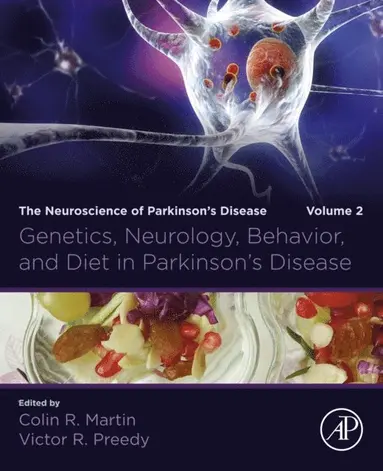
Genetics, Neurology, Behavior, and Diet in Parkinson's Disease
Colin R. Martin, Victor R. Preedy
Inbunden, 2020
2 068 kr
Genetics, Neurology, Behavior, and Diet in Parkinson's Disease
Victor R. Preedy, Colin R. Martin
E-bok
20202 927 kr
Hoppa över listan
Du kanske också är intresserad av
- -15% på allt
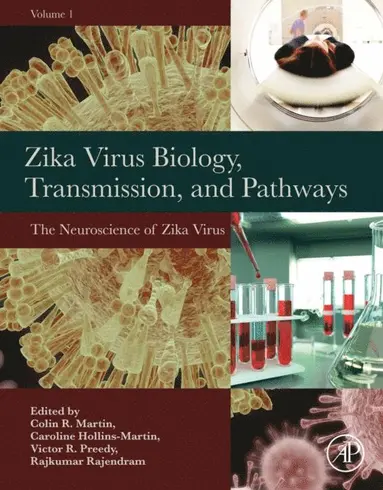
Zika Virus Biology, Transmission, and Pathways
Colin R. Martin, Caroline Hollins-Martin, Victor R. Preedy, Rajkumar Rajendram
Inbunden, 2021
2 580 kr
Zika Virus Biology, Transmission, and Pathways
Rajkumar Rajendram, Victor R. Preedy, Caroline Hollins-Martin, Colin R. Martin
E-bok
20213 656 kr
Zika Virus Impact, Diagnosis, Control, and Models
Colin R. Martin, Caroline Hollins-Martin, Victor R. Preedy, Rajkumar Rajendram
Inbunden, 2021
2 580 kr
Neuroscience of Zika Virus
Victor R. Preedy, Rajkumar Rajendram, Caroline Hollins-Martin, Colin R. Martin
E-bok
20216 049 kr
Zika Virus Impact, Diagnosis, Control, and Models
Rajkumar Rajendram, Victor R. Preedy, Caroline Hollins-Martin, Colin R. Martin
E-bok
20213 602 kr
Hormones in Neuroscience
Colin R. Martin, Vinood B. Patel, Victor R. Preedy, Rajkumar Rajendram
Häftad, 2026
2 081 kr
Management, Body Systems, and Case Studies in COVID-19
Colin R. Martin, Vinood Patel, Victor R. Preedy, Rajkumar Rajendram
E-bok
20243 656 kr
Assessments, Treatments and Modeling in Aging and Neurological Disease
Rajkumar Rajendram, Victor R. Preedy, Colin R. Martin
E-bok
20213 550 kr
Biological Measures of Well-Being
Victor R. Preedy, Rajkumar Rajendram, Vinood Patel, Colin R. Martin
E-bok
20262 940 kr