
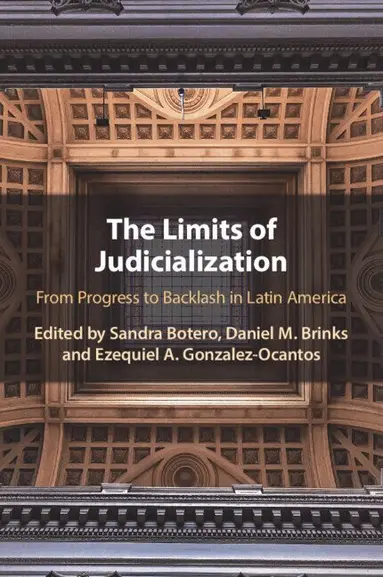
The Limits of Judicialization
Sandra Botero, Daniel M. Brinks, Ezequiel A. Gonzalez-Ocantos
Häftad, 2024
500 kr
AvEzequiel A. Gonzalez-Ocantos,Carlos Meléndez
Del i serien Oxford Studies in Democratization
1 848 kr
Kommande. Bevaka för att få ett mejl när produkten kan beställas.
Sandra Botero, Daniel M. Brinks, Ezequiel A. Gonzalez-Ocantos
Häftad, 2024
500 kr
Sandra Botero, Daniel M. Brinks, Ezequiel A. Gonzalez-Ocantos
Inbunden, 2022
1 628 kr
Ezequiel A. Gonzalez-Ocantos, Daniel M. Brinks, Sandra Botero
489 kr
Ezequiel A. Gonzalez-Ocantos, Daniel M. Brinks, Sandra Botero
474 kr

Ezequiel A. Gonzalez-Ocantos, Paula Muñoz Chirinos, Nara Pavão, Viviana Baraybar Hidalgo
Häftad, 2024
395 kr

Ezequiel A. Gonzalez-Ocantos, Paula Muñoz Chirinos, Nara Pavão, Viviana Baraybar Hidalgo
Inbunden, 2023
1 673 kr

Laurence Whitehead, Laurence Whitehead
Inbunden, 1996
1 059 kr

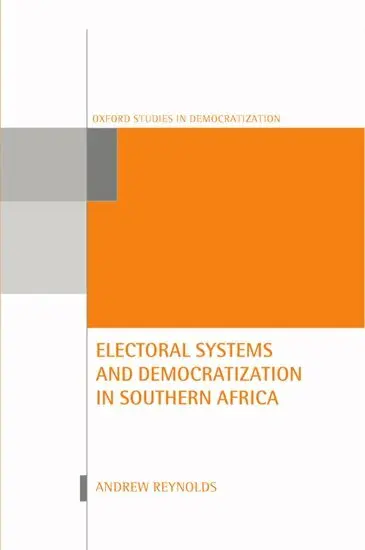
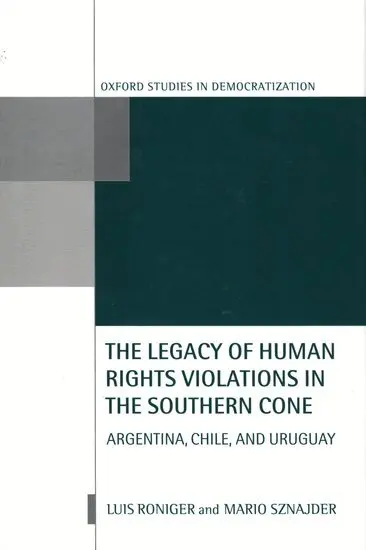
Luis Roniger, Mario Sznajder
Inbunden, 1999
3 681 kr



Ezequiel A. Gonzalez-Ocantos, Carlos Meléndez
Häftad, 2027
432 kr
Sandra Botero, Daniel M. Brinks, Ezequiel A. Gonzalez-Ocantos
Häftad, 2024
500 kr
Sandra Botero, Daniel M. Brinks, Ezequiel A. Gonzalez-Ocantos
Inbunden, 2022
1 628 kr

Lisa Zanotti, Talita Tanscheit, Carlos Melendez, Cristobal Rovira Kaltwasser
638 kr

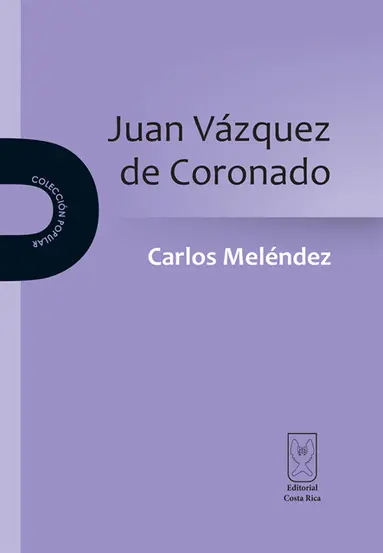

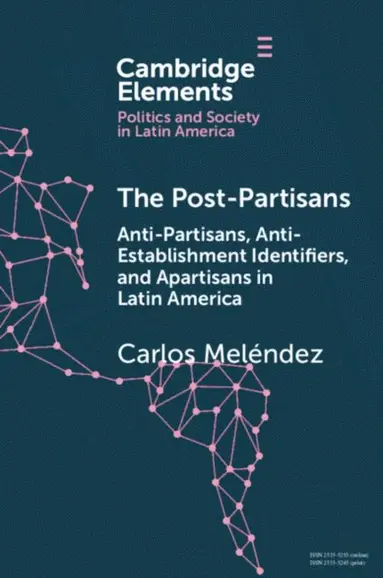

Lisa Zanotti, Talita Tanscheit, Carlos Melendez, Cristobal Rovira Kaltwasser
648 kr