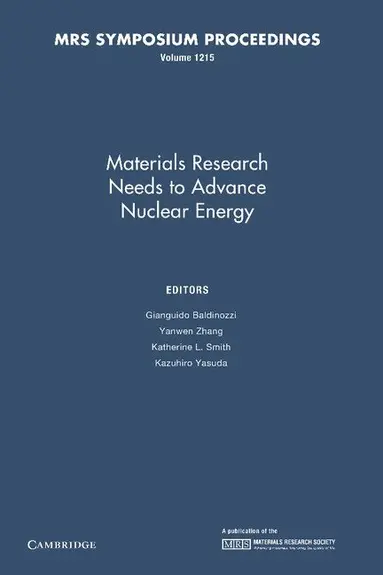
Materials Research Needs to Advance Nuclear Energy: Volume 1215
Gianguido Baldinozzi, Yanwen Zhang, Katherine L. Smith, Kazuhiro Yasuda
Häftad, 2014
445 kr
1 374 kr
Kommande. Bevaka för att få ett mejl när produkten kan beställas.
Gianguido Baldinozzi, Yanwen Zhang, Katherine L. Smith, Kazuhiro Yasuda
Häftad, 2014
445 kr
Gianguido Baldinozzi, Yanwen Zhang, Katherine L. Smith, Kazuhiro Yasuda
Inbunden, 2010
1 617 kr
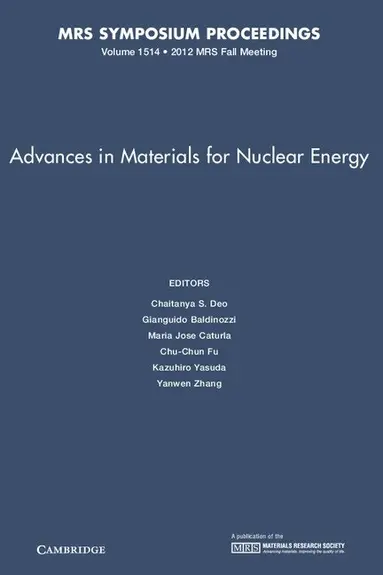
Chaitanya S. Deo, Gianguido Baldinozzi, Maria Jose Caturla, Chu-Chun Fu, Kazuhiro Yasuda, Yanwen Zhang
Inbunden, 2013
1 196 kr
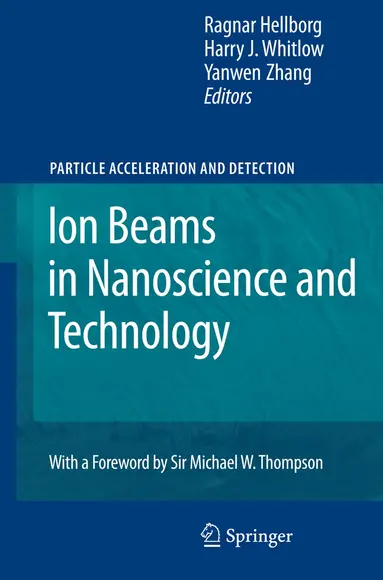
Ragnar Hellborg, Harry J. Whitlow, Yanwen Zhang
Inbunden, 2009
1 107 kr
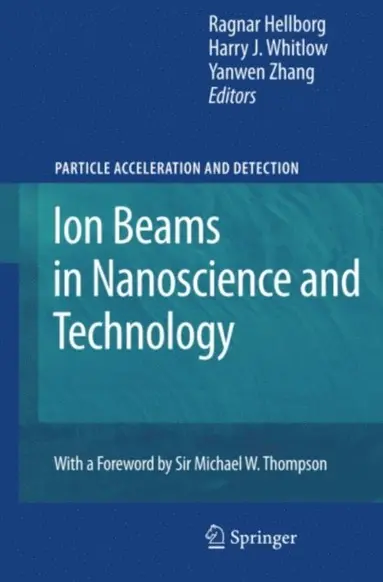
Yanwen Zhang, Harry J. Whitlow, Ragnar Hellborg
1 459 kr
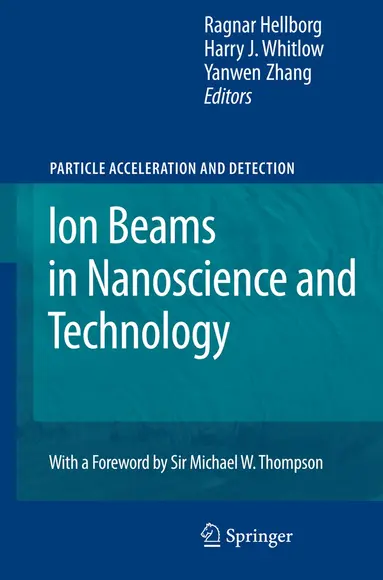
Ragnar Hellborg, Harry J. Whitlow, Yanwen Zhang
Häftad, 2012
1 107 kr
Jessica Howley
Inbunden, 2024
2 084 kr
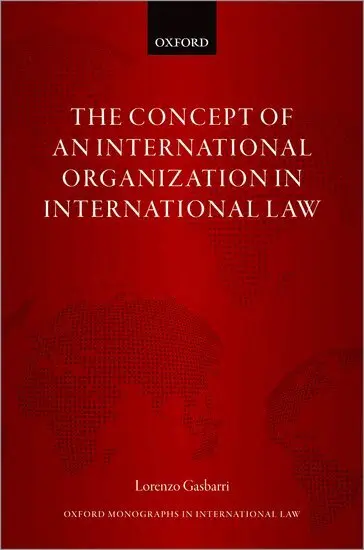
Lorenzo Gasbarri
Inbunden, 2021
1 829 kr
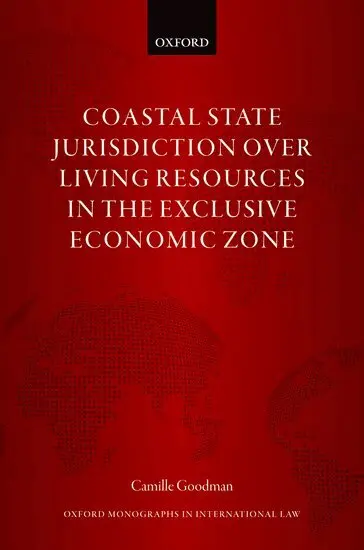
Camille Goodman
Inbunden, 2021
1 581 kr

S. C. Vasciannie
Inbunden, 1990
3 491 kr

Yanwen Zhang, Harry J. Whitlow, Ragnar Hellborg
1 459 kr
Ragnar Hellborg, Harry J. Whitlow, Yanwen Zhang
Inbunden, 2009
1 107 kr
Ragnar Hellborg, Harry J. Whitlow, Yanwen Zhang
Häftad, 2012
1 107 kr
Gianguido Baldinozzi, Yanwen Zhang, Katherine L. Smith, Kazuhiro Yasuda
Inbunden, 2010
1 617 kr
Gianguido Baldinozzi, Yanwen Zhang, Katherine L. Smith, Kazuhiro Yasuda
Häftad, 2014
445 kr
Chaitanya S. Deo, Gianguido Baldinozzi, Maria Jose Caturla, Chu-Chun Fu, Kazuhiro Yasuda, Yanwen Zhang
Inbunden, 2013
1 196 kr