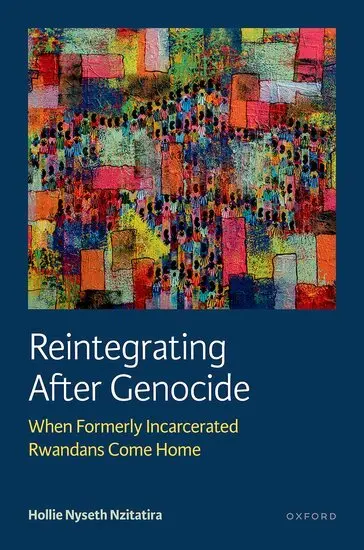
There have been more than 40 genocides since the Holocaust, and genocides continue to occur with alarming frequency. Yet the strongest predictor of future genocide is past genocide, meaning we need to pay much more attention to the aftermath of genocide to better support long-term recovery.Reintegrating After Genocide constitutes the first comprehensive study of the reentry and reintegration of people who were incarcerated for committing genocide in Rwanda. The book follows the lives of 190 Rwandans who were incarcerated in the wake of the 1994 genocide to trace what happens when these individuals finish their sentences and return to their communities—the very communities they tore apart—and which factors aided or hindered their reintegration journeys. Drawing on over 660 interviews and years of fieldwork, Reintegrating After Genocide combines criminological research on the reintegration of formerly incarcerated people across contexts with research on disarmament, demobilization, and reintegration after conflict and political violence. In doing so, it examines economic, social, and political reintegration after incarceration for genocide, with special attention paid to gendered dynamics. By demonstrating how people come to terms with themselves and others following incarceration for highly stigmatized crimes, Reintegrating After Genocide uncovers the narratives that people tell and retell about violence and the pathways to reconciliation that make co-existence possible in the wake of mass atrocities.